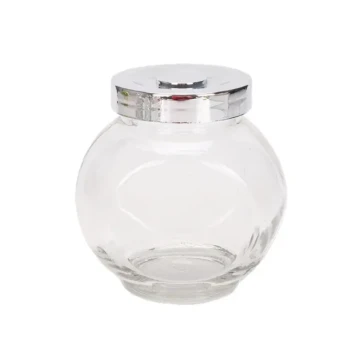
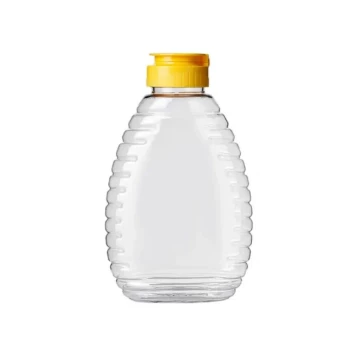
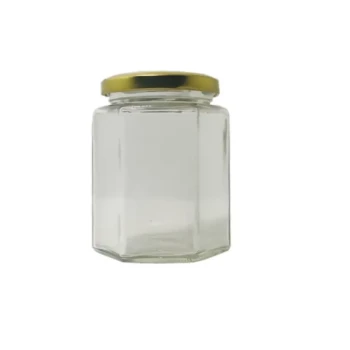
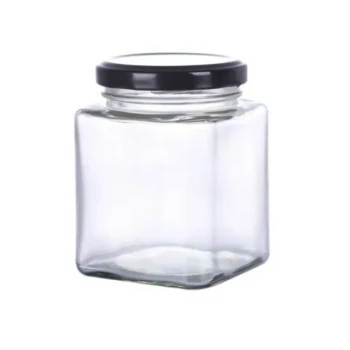
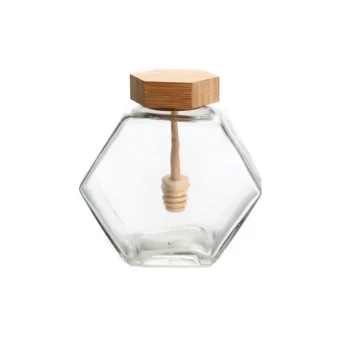
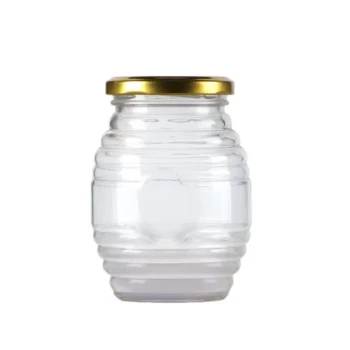
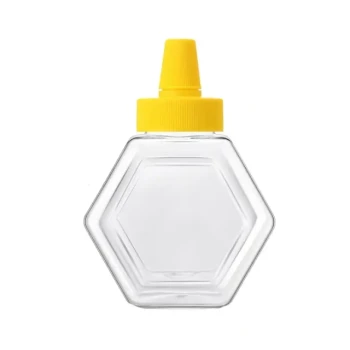
The primary requirement for food-grade plastic or glass containers stems from the unique chemical volatility of stingless bee honey, specifically its high acidity and moisture content. Unlike common honey, stingless bee honey is chemically aggressive and prone to rapid fermentation; therefore, it requires chemically inert materials that will not react with the liquid or leach harmful toxins. These specific containers provide the rigorous seal necessary to prevent oxidation, physical leakage, and the ingress of external moisture, ensuring the product remains safe and stable.
Core Takeaway: Stingless bee honey is a high-moisture, acidic substance that is significantly more unstable than standard honey. You must use high-quality food-grade glass or plastic to create a chemically inert, sterile environment that halts fermentation and preserves the honey's delicate medicinal compounds.
Preserving Unique Biochemical Properties
Accommodating High Acidity
Stingless bee honey is naturally more acidic than common honey varieties. You must use chemically inert materials—specifically high-quality glass or food-grade plastic—to ensure the packaging does not react with the honey. This prevents the leaching of harmful substances into the product, preserving both flavor integrity and consumer safety.
Managing High Moisture Content
This honey variety possesses a significantly higher water content, making it chemically unstable. Specialized containers are required to create a hermetic seal that prevents the honey from absorbing additional moisture from the atmosphere. Without this barrier, the excess water would accelerate spoilage.
Protecting Bioactive Compounds
Stingless bee honey is valued for its medicinal properties, including flavonoids and polyphenolic substances. These compounds are oxygen-sensitive and degrade rapidly if exposed to air. Standardized containers provide a stable environment that minimizes oxidation, ensuring the therapeutic efficacy remains consistent throughout the shelf life.
Preventing Degradation and Contamination
Stopping Secondary Fermentation
Due to its high moisture and natural yeast content, stingless bee honey is highly susceptible to natural fermentation. Professional-grade containers act as a physical intervention, blocking oxygen and external contaminants that trigger this process. This allows the product to remain stable without the use of chemical preservatives.
Ensuring Hygienic Sterility
The susceptibility of this honey to microbial contamination necessitates high-standard sterile packaging. Glass and plastic bottles treated through physical sterilization effectively block contamination sources. This is critical for meeting safety standards for high-value health supplements.
Visual Presentation and Trust
High-quality glass offers transparency, which allows for better visual presentation of the product. Because stingless bee honey is a premium, high-value commodity, the clarity of the container helps build consumer trust by allowing them to visually inspect the quality and purity of the contents.
Understanding the Trade-offs: Glass vs. Plastic
The Case for Glass
Glass is the gold standard for chemical stability and barrier properties. It is completely impermeable to oxygen and moisture, offering the highest level of protection for acidity and bio-active components. However, it is heavier and more fragile, which increases transportation costs and breakage risks.
The Case for Food-Grade Plastic
Food-grade plastic offers a lightweight and durable alternative that facilitates easier distribution and logistics. It effectively seals against moisture and odors, maintaining enzyme activity. However, it must be strictly "food-grade" to ensure no chemical leaching occurs over long-term storage, and it may not offer the same "premium" market perception as glass.
Making the Right Choice for Your Product
To select the correct packaging, align the material properties with your primary business objective:
- If your primary focus is Premium Market Positioning: Choose high-quality glass containers to maximize consumer trust through transparency and ensure the absolute highest chemical stability.
- If your primary focus is Logistics and Distribution: Choose food-grade plastic to reduce shipping weight and breakage while still maintaining a seal strong enough to prevent fermentation.
- If your primary focus is Medicinal Efficacy: Prioritize sterile, airtight seals regardless of material to protect oxygen-sensitive flavonoids and polyphenols from degradation.
Ultimately, the container is not just a vessel but an active preservation system required to stabilize a uniquely volatile superfood.
Summary Table:
| Feature | Glass Containers | Food-Grade Plastic |
|---|---|---|
| Chemical Stability | High (Completely Inert) | Good (Must be Food-Grade) |
| Barrier Properties | Excellent (O2 & Moisture) | Reliable Seal |
| Durability | Fragile / Heavy | Lightweight / Impact Resistant |
| Market Positioning | Premium / High-Value | Practical / Wholesale |
| Best Use Case | Medicinal / Luxury Retail | Large-Scale Distribution |
Elevate Your Honey Production with HONESTBEE
Preserving the integrity of premium stingless bee honey requires more than just a vessel; it requires professional-grade equipment and specialized knowledge. As a global leader in beekeeping solutions, HONESTBEE caters to commercial apiaries and distributors with a comprehensive wholesale offering.
We provide everything from high-precision honey-filling machines and specialized hive-making hardware to a full spectrum of durable beekeeping tools and essential consumables. Whether you are looking to scale your production or source high-quality cultural merchandise, our team is dedicated to supporting your growth with reliable, industry-standard equipment.
Ready to optimize your honey processing and packaging? Contact us today to discuss our wholesale solutions and discover how HONESTBEE can help your business thrive.
References
- Henny Herwina, Putra Santoso. Pengembangan Strategi Promosi Madu Galo-galo UMKM Usaha Bukik Nabu (UBUNA). DOI: 10.25077/jwa.30.2.253-260.2023
This article is also based on technical information from HonestBee Knowledge Base .
Related Products
- Food Grade Plastic Honey Bucket Pail for Beekeeping
- Classic Drum Shaped Glass Honey Jar with Airtight Lid
- Squeezable No-Drip Beehive-Shaped Honey Jars with Flip-Top Cap
- Classic Beehive Honey Bottle Jar with Squeeze Dispenser Lid
- Hexagonal Glass Honey Jars with Metal Lug Caps Elegant Versatile Packaging
People Also Ask
- What key operational precautions should be taken when using honey buckets and extractors fitted with bottom drain taps?
- What functions do food-grade honey buckets perform? Safeguard Your Harvest and Optimize Apiary Logistics
- Why are food-grade plastic buckets preferred for honey? Protect Quality with Modern Honey Collection Tools
- What is the significance of food-grade plastic honey collection buckets? Boost Quality in Forest Honey Logistics
- What is a honey pail? The Essential Container for Protecting Your Honey's Value