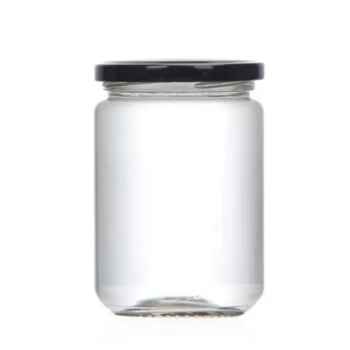
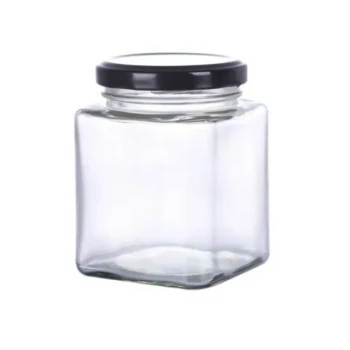
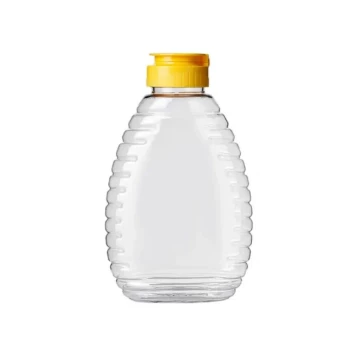
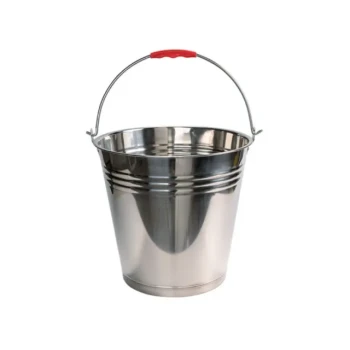
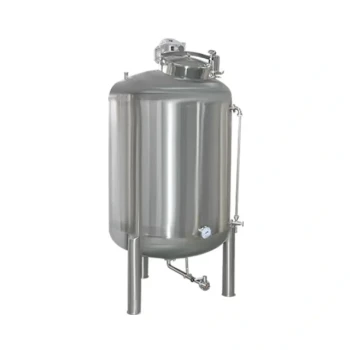
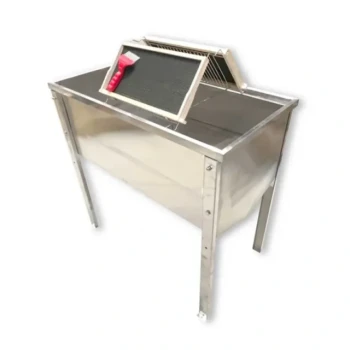
Food-grade storage containers and specialized logistics equipment are strictly required to preserve honey’s chemical stability and sensory profile. Because honey is highly hygroscopic—meaning it naturally absorbs moisture from the air—and easily absorbs ambient odors, it requires hermetically sealed, food-grade barriers to prevent fermentation, flavor spoilage, and chemical contamination during the distribution cycle.
Core Takeaway Honey is an environmentally sensitive product that degrades rapidly when exposed to moisture, fluctuating temperatures, or non-inert materials. Specialized equipment is not merely for containment; it is a preservation system that maintains the biological activity and specific flavor notes required for high-value market entry.
The Chemical Vulnerability of Honey
Preventing Moisture Absorption
Honey is naturally hygroscopic. If exposed to humid air, it will pull moisture into itself.
Once water content rises above a certain threshold, natural yeasts in the honey activate, leading to fermentation and spoilage. Specialized containers provide the necessary seal to block atmospheric moisture.
Preserving Flavor Profiles
Honey absorbs external odors as easily as it absorbs water.
Without odor-blocking, food-grade barriers, honey will take on the smell of diesel fumes, warehousing materials, or other cargo. Specialized containers ensure the honey tastes exactly as it did at the apiary.
Blocking Chemical Migration
Standard plastics or metals can leach chemicals into acidic substances like honey.
Food-grade materials are chemically inert, ensuring that no foreign substances migrate into the product. This creates a safe medium that satisfies strict safety standards for human consumption.
Logistics and Physical Integrity
Controlling Temperature and State
Honey is sensitive to thermal fluctuations. High heat degrades biological enzymes, while uncontrolled cold can accelerate crystallization.
Specialized logistics vehicles and temperature-controlled environments maintain a stable climate. This prevents the product from solidifying prematurely or losing the nutritional properties that define raw or premium honey.
Standardization for Efficiency
The industry relies on standardized hardware, such as 200-liter bulk drums and uniform stacking crates.
These standard units allow for seamless integration with global shipping infrastructure, significantly reducing breakage rates. They serve as the universal interface between local apiaries and the international wholesale market.
Impact Resistance
Honey is heavy and viscous, making leaks costly and difficult to clean.
Industrial-grade plastic bottles and drums offer superior impact resistance compared to general-purpose containers. This durability is critical for minimizing product loss during the high-vibration environment of long-distance trucking.
Understanding the Trade-offs
Weight vs. Protection
While glass and steel offer the highest level of inertness, they drastically increase shipping weights and fuel costs.
High-density food-grade plastics offer a compromise, providing sufficient protection against moisture and breakage while remaining lightweight. However, for extremely long-term storage, they may be less effective barriers than metal drums.
Cost of Specialized Equipment
Investing in temperature-controlled vehicles and certified food-grade drums increases upfront operational costs.
However, relying on standard logistics equipment often results in "hidden" costs, such as rejected shipments due to crystallization, fermentation, or failed purity tests at the point of export.
Making the Right Choice for Your Operation
- If your primary focus is international export: Prioritize 200-liter industrial drums to meet global standardization requirements and ensure seamless integration with wholesale buyers.
- If your primary focus is retail distribution: Utilize food-grade plastic bottles to minimize shipping weight and prevent breakage during final-mile delivery.
- If your primary focus is premium/raw honey: Invest in temperature-controlled logistics to prevent crystallization and preserve the biological enzymes that command a higher price point.
The quality of honey at the point of sale is defined entirely by how well it was protected during transit.
Summary Table:
| Factor | Requirement | Impact of Failure |
|---|---|---|
| Moisture Control | Hermetically sealed containers | Fermentation and spoilage |
| Odor Prevention | Food-grade barriers | Absorption of diesel or warehouse smells |
| Chemical Safety | Chemically inert materials | Leaching of toxic substances into honey |
| Thermal Stability | Temperature-controlled logistics | Enzyme degradation or crystallization |
| Durability | Impact-resistant industrial drums | Product loss and leakage during transit |
Maximize Your Honey Quality with HONESTBEE
At HONESTBEE, we understand that the integrity of your honey is your most valuable asset. As a dedicated partner to commercial apiaries and global distributors, we provide more than just supplies; we provide a complete preservation ecosystem. From industrial-grade 200-liter drums and food-grade retail packaging to advanced honey-filling machines and specialized beekeeping hardware, our wholesale solutions are designed to eliminate the risks of contamination and spoilage.
Whether you are scaling your export operations or optimizing local distribution, HONESTBEE delivers the high-performance tools and consumables needed to maintain the premium profile of your harvest. Contact us today to explore our full spectrum of beekeeping and logistics equipment and see how we can safeguard your path to market.
References
- Mariusz Maciejczak, Katarzyna Kalinka. FUNCTIONING OF SELECTED BEEKEEPING FARMS IN POLAND DURING COVID-19 PANDEMIC. DOI: 10.22630/aspe.2023.22.1.4
This article is also based on technical information from HonestBee Knowledge Base .
Related Products
- Food Grade Plastic Honey Bucket Pail for Beekeeping
- Classic Drum Shaped Glass Honey Jar with Airtight Lid
- Hexagonal Glass Honey Jar with Wooden Lid Integrated Dipper Elegant Functional Storage
- Hexagonal Glass Honey Jars with Metal Lug Caps Elegant Versatile Packaging
- Classic Glass Honey Jar with Metal Lug Cap for Beehive Storage
People Also Ask
- What key operational precautions should be taken when using honey buckets and extractors fitted with bottom drain taps?
- What functions do food-grade honey buckets perform? Safeguard Your Harvest and Optimize Apiary Logistics
- Why are food-grade plastic buckets preferred for honey? Protect Quality with Modern Honey Collection Tools
- What is the significance of food-grade plastic honey collection buckets? Boost Quality in Forest Honey Logistics
- What is a honey pail? The Essential Container for Protecting Your Honey's Value