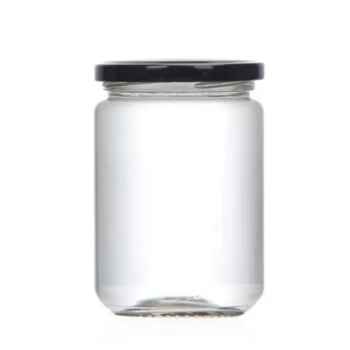
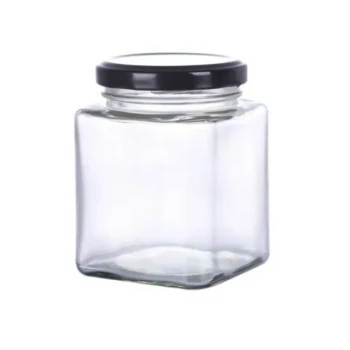
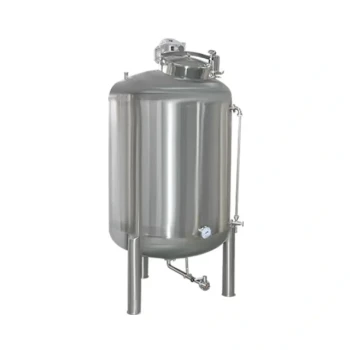
The preservation of apple honey requires a specialized infrastructure of glass and climate control. Using glass containers ensures chemical inertness and prevents impurity migration, while low-temperature storage—specifically between 4°C and 8°C—halts fermentation and protects the honey's delicate antioxidant profile. Together, these elements maintain the product's premium biochemical integrity from the point of collection to final delivery.
Glass and cold-chain equipment are non-negotiable for preserving the purity and market value of apple honey. By neutralizing chemical reactions and environmental stressors, these tools ensure distributors provide a stable, high-quality product that meets rigorous global standards.
The Role of Glass in Protecting Product Purity
Chemical Inertness and Acid Resistance
Apple honey is naturally acidic, typically maintaining a pH between 3 and 4. Glass is a chemically inert material, meaning it will not react with these organic acids or leach harmful plasticizers and chemical impurities into the product.
This inertness is vital for B2B resellers who must guarantee the purity of the original mineral profile. Unlike metal or lower-grade plastics, glass ensures no trace metal contamination occurs during long-term storage.
Superior Barrier Against Moisture
Honey is highly hygroscopic, meaning it aggressively absorbs moisture from the surrounding environment. Airtight glass containers provide a total seal that prevents water absorption, which would otherwise lead to dilution and microbial spoilage.
By isolating the honey from external humidity, glass maintains the physicochemical stability required for commercial grading. This protection is essential for maintaining the consistency of the product across the entire supply chain.
UV Protection and Phytochemical Stability
Apple honey contains sensitive compounds, including polyphenols, flavonoids, and volatile substances. Exposure to light can trigger chemical degradation, stripping the honey of its unique flavor and health benefits.
Utilizing amber glass specifically blocks ultraviolet radiation, preserving these light-sensitive components. This ensures that the honey retains its original antioxidant activity and "phytogeographical markers" for professional analysis.
The Necessity of Low-Temperature Infrastructure
Inhibiting Enzymatic Activity
Low-temperature storage, ideally maintained at 4°C, is the primary defense against internal spoilage. These temperatures effectively inhibit enzymatic activity, which prevents the honey from undergoing unwanted fermentation.
For distributors, this temperature control is the difference between a premium product and a degraded shipment. It ensures the honey remains in its original physicochemical state throughout the transport and warehousing phases.
Maintaining Biochemical Integrity
A controlled environment significantly reduces the rate of chemical reactions within the honey. This is critical for stabilizing indicators like Hydroxymethylfurfural (HMF) content and preserving volatile aromatic substances.
By keeping the environment between 4°C and 8°C, suppliers ensure the honey's biochemical profile remains unchanged. This allows for accurate composition characterization and high-end laboratory verification upon arrival.
Understanding the Trade-offs
Durability vs. Chemical Stability
While glass offers the highest level of chemical protection, it is heavier and more fragile than industrial plastics. This increases shipping costs and requires more robust packaging solutions during rapid order fulfillment.
However, the risk of plasticizer migration in cheaper containers often outweighs the logistical convenience for high-end apple honey. For premium B2B markets, the chemical integrity of glass is the standard for quality assurance.
Energy Costs vs. Product Longevity
Maintaining a constant cold chain at 4°C requires a higher energy investment compared to ambient storage. Fluctuations in temperature can lead to condensation or changes in honey texture, such as crystallization.
Despite these costs, low-temperature storage is the only way to guarantee shelf life and prevent the breakdown of organic acids. For wholesalers, this investment reduces the risk of bulk inventory loss due to fermentation.
Making the Right Choice for Your Goal
As a strategic partner, we provide the technical expertise and logistics infrastructure needed to manage these complex requirements. Our focus is on ensuring your inventory reaches you with its biological and commercial value fully intact.
- If your primary focus is Maximum Product Purity: Prioritize airtight, amber glass containers to eliminate chemical leaching and protect sensitive polyphenols from light degradation.
- If your primary focus is Long-Term Inventory Stability: Invest in dedicated cold-chain logistics maintained at a constant 4°C to halt enzymatic activity and prevent fermentation.
- If your primary focus is Scientific Verification and Research: Ensure the use of chemically inert glass jars to preserve the original mineral and palynological characteristics for lab analysis.
By integrating precision glass packaging with rigorous temperature controls, you secure a superior product that meets the highest standards of the global honey trade.
Summary Table:
| Preservation Factor | Role of Glass Containers | Role of Low-Temperature Storage (4°C-8°C) |
|---|---|---|
| Chemical Stability | Inert material prevents acid reaction & leaching. | Stabilizes HMF levels and preserves organic acids. |
| Biological Safety | Airtight seal prevents moisture & microbial entry. | Halts enzymatic activity and prevents fermentation. |
| Quality Retention | UV protection (amber glass) saves phytochemicals. | Preserves volatile aromatics and antioxidant profile. |
| Market Value | Ensures high-purity mineral & flavor profiles. | Guarantees long-term shelf life and consistency. |
Secure Your Premium Honey Supply Chain with HONESTBEE
Preserving the integrity of apple honey requires professional-grade equipment and deep industry expertise. As a leading one-stop sourcing partner for commercial apiaries and B2B distributors, HONESTBEE provides the full spectrum of tools needed to maintain product quality and maximize your profit margins.
From high-end amber glass packaging and honey-filling machines to essential consumables and specialized hardware, our portfolio is designed for rapid fulfillment and supply reliability. We offer:
- Comprehensive Wholesale Solutions: Full-spectrum beekeeping machinery and tools.
- OEM/ODM Support: Tailored equipment to meet your specific distribution standards.
- Unmatched Efficiency: Ultra-fast delivery and rapid response times for high-volume orders.
Ready to elevate your inventory quality? Contact us today to explore our wholesale offerings and see how our professional expertise can streamline your operations.
References
- Gulzar Ahmad Nayik, Vikas Nanda. Optimization of the Process Parameters to Establish the Quality Attributes of DPPH Radical Scavenging Activity, Total Phenolic Content, and Total Flavonoid Content of Apple (<i>Malus domestica</i>) Honey Using Response Surface Methodology. DOI: 10.1080/10942912.2015.1107733
This article is also based on technical information from HonestBee Knowledge Base .
Related Products
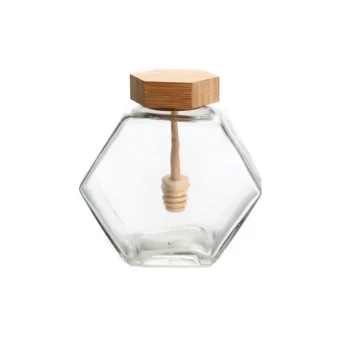
- Hexagonal Glass Honey Jar with Wooden Lid Integrated Dipper Elegant Functional Storage
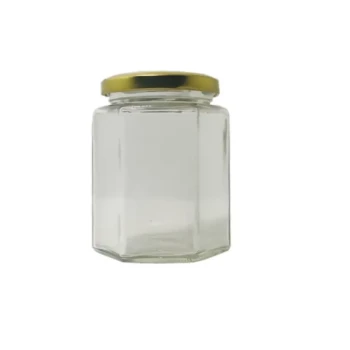
- Hexagonal Glass Honey Jars with Metal Lug Caps Elegant Versatile Packaging
- Classic Drum Shaped Glass Honey Jar with Airtight Lid
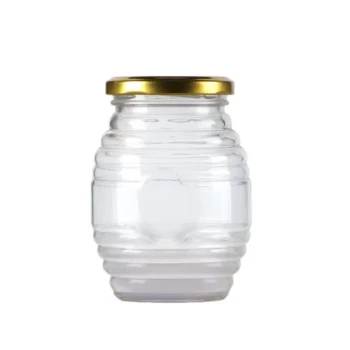
- Classic Glass Honey Jar with Metal Lug Cap for Beehive Storage
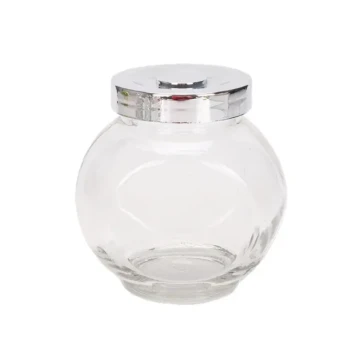
- Classic Round Glass Honey Jar with Lid
People Also Ask
- What are the benefits of glass jars regarding strength and safety for storing honey? Ensure Purity and Long-Term Quality
- What are the advantages of using glass jars for honey storage? Ensure Purity and Premium Appeal for Your Product
- What is the aesthetic appeal of using glass jars for honey? Elevate Your Brand with Premium Packaging
- What are the advantages of glass containers for honey? Elevate Quality and Market Value with Premium Packaging
- What are the benefits of using high-transparency Glass Jars for honey? Elevate Purity and Premium Branding