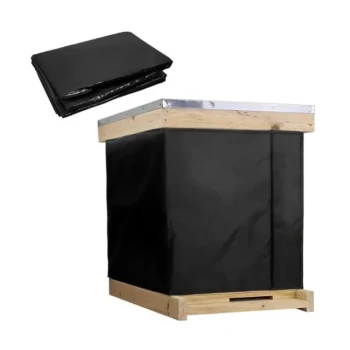
High-performance thermal insulation liners are essential buffers against temperature volatility. They function by significantly reducing heat loss, enabling the colony to maintain the strict temperatures required for brood rearing without exhausting their energy reserves during sudden cold snaps.
Early spring cold snaps threaten colonies by forcing excessive energy expenditure to warm the brood. Insulation liners stabilize the internal environment, preventing larval frost damage and the critical population decline known as "spring shrinking."
The Energy Dynamics of the Spring Colony
Maintaining Brood Temperature
The primary function of a thermal liner is to trap heat within the hive structure. For a colony to successfully raise new bees, the brood area must be kept at a constant, elevated temperature.
Without insulation, the thermal gradient between the hive interior and the cold spring air causes rapid heat loss. This forces the colony to work significantly harder to maintain the necessary stability.
Reducing Caloric Consumption
Heat generation in a beehive is not passive; it is an active metabolic process powered by the consumption of honey.
By minimizing heat loss, insulation liners lower the colony's energy consumption. This conservation is critical in early spring when winter food stores are running low and nectar sources may not yet be abundant.
Mitigating Physical Risks to the Hive
Understanding "Spring Shrinking"
One of the most dangerous phenomena in early spring is "spring shrinking." This occurs when the colony population declines rapidly because the adult bees die off faster than new bees can hatch to replace them.
The primary reference indicates this is often caused by overexertion. Adult bees exhaust themselves trying to generate enough heat to protect the brood during temperature fluctuations. Insulation reduces this workload, preserving the longevity of the adult workforce.
Preventing Larval Frost Damage
Sudden cold snaps can be physically devastating to the developing brood. If the temperature drops too sharply, the cluster of bees may contract to stay warm, leaving the outer edges of the brood exposed.
High-performance liners provide essential physical protection against this exposure. By retaining ambient heat, they prevent the sudden internal drops that lead to larval frost damage.
Understanding the Limitations
Insulation is Passive, Not Active
It is important to recognize that insulation liners do not generate heat; they only retain it.
While liners mitigate the effects of cold, the colony must still be healthy enough and possess sufficient food stores to generate the initial warmth. A starving or critically weak colony may not be able to produce enough heat to benefit fully from the insulation.
Making the Right Choice for Your Goal
To effectively manage your colonies during the volatile transition from winter to spring, consider your specific objectives:
- If your primary focus is Colony Population Stability: Prioritize insulation to prevent "spring shrinking," ensuring adult bees do not die from overexertion before the new brood hatches.
- If your primary focus is Brood Health: Use high-performance liners to provide a thermal safeguard against frost damage, ensuring the larval stages survive sudden temperature drops.
By stabilizing the hive's internal climate, you transform early spring from a struggle for survival into a period of managed growth.
Summary Table:
| Benefit | Impact on Beehive Performance | Primary Function |
|---|---|---|
| Energy Conservation | Reduces honey consumption for heat generation | Minimizes heat loss to cold exterior |
| Population Stability | Prevents "spring shrinking" in adult worker bees | Reduces metabolic overexertion |
| Brood Protection | Eliminates larval frost damage during snaps | Maintains constant brood temperatures |
| Environment Control | Buffers against sudden temperature volatility | Stabilizes internal hive micro-climate |
Scale Your Apiary Success with HONESTBEE
Don't let early spring cold snaps compromise your colony growth. HONESTBEE provides commercial apiaries and distributors with high-performance thermal insulation and professional-grade beekeeping equipment designed to maximize winter-to-spring survival rates.
From advanced hive-making machinery to essential consumables and specialized hardware, our comprehensive wholesale offering ensures your operations are efficient and protected.
Ready to secure your honey production for the season? Contact our expert team today for wholesale solutions
References
- Fiammetta Remotti, Andréa Pieroni. ‘The rules of nature are changing; every year is unpredictable’: perceptions of climate change by beekeepers of Liguria, NW Italy. DOI: 10.1007/s10113-024-02242-3
This article is also based on technical information from HonestBee Knowledge Base .
Related Products
- Professional Insulated Winter Hive Wrap for Beekeeping
- Inner Beehive Cover for Beekeeping Bee Hive Inner Cover
- Professional Insulated Plastic Bee Hives
- Stainless Steel Round Beehive Air Vents for Ventilation
- Metal Hive Feet Bee Hive Stand for Ant Protection
People Also Ask
- What are the steps to properly wrap a beehive for winter? Ensure Your Colony Survives the Cold
- When is the best time to wrap a beehive for winter? A Guide to Perfect Winterization Timing
- How do professional insulation wraps provide protection for bee colonies? Optimize Winter Survival & Energy Efficiency
- What are the technical benefits of using winter wraps for beehive insulation? Boost Colony Survival & Hive Health
- What are the benefits of using insulated covers for hives? Ensure Colony Survival and Health