The validity of your experimental data is established the moment the sample is collected. High-quality sterile sampling bottles are primarily used in the aseptic collection of honey to eliminate the risk of secondary contamination from external microorganisms. By creating a hermetic barrier against environmental flora, these bottles ensure that any antifungal activity or microbial loads observed in the lab are derived solely from the honey's natural components, thereby guaranteeing the purity and reliability of the research findings.
Using sterile containment is not just about hygiene; it is a critical control variable that preserves the sample's biological and chemical baseline, ensuring that laboratory analysis reflects the true state of the apiary rather than artifacts of the collection process.
Preserving Biological Data Integrity
Eliminating Environmental Interference
The primary purpose of sterile sampling bottles is to prevent "noise" in your data caused by exogenous microorganisms. If a sample is exposed to non-native bacteria or fungi during collection, it becomes impossible to determine if observed antifungal activity is an intrinsic property of the honey or a reaction to the contamination. Sterile vessels isolate the sample, ensuring that the biological activity measured is authentic to the honey itself.
Accurate Microbial Quantification
For researchers analyzing microbial loads, such as total colony counts, molds, or yeasts, sterility is non-negotiable. A non-sterile container introduces foreign microbes that skew quantitative analysis. Sterile bottles ensure that the measured values truly reflect the sanitary status of the original hive, rather than the cleanliness of the collection tools.
Preventing Cross-Contamination
Sterile tools and bottles act as a firewall between different colonies. This prevents the human-mediated transmission of pathogens from one hive to another during the sampling process. By isolating each sample, researchers ensure that molecular biological tests accurately reflect the infection status of the specific hive being studied.
Maintaining Physicochemical Stability
Counteracting Hygroscopic Degradation
Honey is highly hygroscopic, meaning it aggressively absorbs moisture from the atmosphere. High-quality sampling bottles provide an air-tight seal that isolates the honey from environmental humidity. Preventing moisture absorption is critical because excess water dilutes the sample and can trigger premature fermentation, which alters the honey's original composition.
Preserving Biochemical Markers
The stability of sensitive components, such as amino acids and enzymes, relies on strict isolation from external variables. By preventing moisture fluctuation and microbial degradation, sterile containers preserve these biochemical markers. This stability is essential for ensuring that subsequent physical and chemical index detections are accurate and reproducible.
Understanding Material Trade-offs
While sterility is the baseline requirement, the material of the sterile bottle introduces specific trade-offs that must be managed based on your analytical goals.
Sterile Polyethylene (PE) Characteristics
Sterilized polyethylene bottles are frequently used due to their chemical inertness. They generally do not react with the phenolic or acidic components found in honey, making them excellent for general chemical stability and antibacterial activity analysis. However, plastic packaging must be high-quality to ensure it does not leech interfering chemicals.
Sterile Glass Characteristics
Glass bottles are chemically inert and impermeable, preventing reactions with the external environment. They are superior for preventing trace metal contamination often associated with plastics, preserving the purity of the honey's mineral profile. However, glass requires careful handling during transport and dark storage conditions to prevent light-induced degradation of sensitive elements.
Making the Right Choice for Your Goal
To select the appropriate collection vessel, align the bottle's characteristics with your primary analytical objective.
- If your primary focus is Antifungal or Antimicrobial Activity: Prioritize high-quality sterile polyethylene or glass to strictly prevent secondary microbial contamination that would falsify biological activity data.
- If your primary focus is Trace Metal or Mineral Analysis: Use clean, sterile glass bottles to eliminate the risk of metal contamination that can occur with certain plastic manufacturing processes.
- If your primary focus is Quantitative Microbial Analysis: Ensure the container is certified sterile and air-tight to prevent external flora from artificially inflating colony counts or mold levels.
Ultimately, the sterile bottle is the primary instrument for freezing the sample's biological and chemical state in time, ensuring the lab analyzes the honey as it existed in the hive.
Summary Table:
| Feature | Sterile Polyethylene (PE) | Sterile Glass |
|---|---|---|
| Primary Use | General chemical & antibacterial activity analysis | Trace metal and mineral profile analysis |
| Chemical Inertness | High (non-reactive with honey acids) | Excellent (impermeable) |
| Data Protection | Eliminates microbial noise & cross-contamination | Prevents trace metal leaching & air exposure |
| Practicality | Lightweight and durable for field collection | Requires careful handling and light protection |
| Key Benefit | Prevents hygroscopic degradation (moisture) | Preserves sensitive biochemical markers |
Secure Your Honey Purity with HONESTBEE Professional Solutions
At HONESTBEE, we understand that the success of commercial apiaries and distributors depends on the integrity of their products. From specialized honey-filling machines to high-quality beekeeping tools, we provide the comprehensive wholesale support you need to maintain global standards.
Whether you are scaling your production or managing a large-scale distribution network, our equipment and consumables are designed to protect your biological and chemical data at every stage of the process. Partner with a supplier that values precision as much as you do.
Contact Us Today to Upgrade Your Apiary Operations
References
- Shilpa P. Khairmode. Study of Honey as a Sweet Remedy against Fungal Supremacy. DOI: 10.22214/ijraset.2019.12048
This article is also based on technical information from HonestBee Knowledge Base .
Related Products
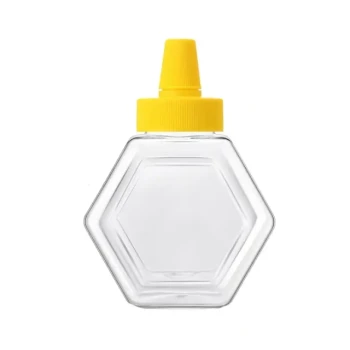
- Hexagonal Squeeze Honey Bottle with No Drip Lid
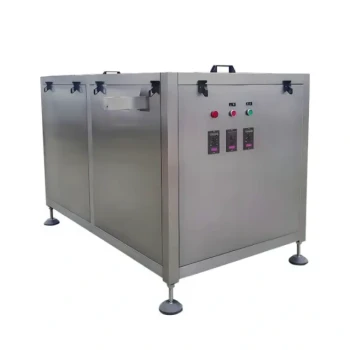
- Fully Automatic High Speed Centrifugal Bottle Unscrambler
- Plastic Honey Uncapping Tub Tank for Beekeeping
People Also Ask
- What are the benefits of squeeze bottles for honey packaging? Unlock Mess-Free Convenience & Control
- How do honey bottles contribute to the preservation of honey products? Secure Quality and Commercial Value
- What are the features of honey bottles? Design for Convenience & Long-Term Preservation
- How should honey bottles be prepared before pouring honey into them? The #1 Rule for Honey Longevity
- What are the features and benefits of using honey bottles for packaging? Optimize Preservation and Consumer Experience