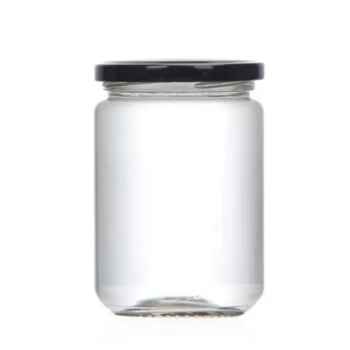
Industrial-grade glass vials and ethanol solutions are strictly required to ensure data integrity. They provide a standardized, chemically inert environment that immediately halts biological decay upon collection. By preventing contamination and tissue degradation, this combination guarantees that specimens remain in their original biological state for accurate morphological measurement and genetic analysis.
Scientific analysis is only as reliable as the quality of the specimen. Using industrial-grade glass and ethanol transforms a decaying biological sample into a stable data point, protecting it from environmental variables that would otherwise corrupt research findings.
The Role of Material Stability
Using the correct vessel is the first line of defense in specimen preservation.
Preventing Chemical Contamination
Industrial-grade glass offers superior chemical stability compared to standard plastics. It prevents the container itself from leaching foreign substances into the ethanol solution. This is critical because exogenous impurities can alter the specimen's biochemistry, leading to biased data during sensitive laboratory dissections.
Ensuring a Secure Seal
Glass vials are designed to provide a hermetic seal, often superior to general-purpose containers. This strictly prevents secondary contamination from the external environment, such as dust or microbes. Furthermore, a tight seal inhibits the evaporation of the ethanol preservative, ensuring the sample remains submerged and protected during transport from the apiary to the lab.
The Mechanism of Ethanol Preservation
Ethanol is not merely a storage fluid; it is an active chemical agent that functions as both a fixative and a preservative.
Halting Biological Decay
Upon immersion, ethanol rapidly penetrates the honeybee's tissues. This immediately inhibits enzyme activity and microbial growth, effectively stopping the biological clock. Without this rapid fixation, internal organs would begin to rot—particularly in high-temperature field environments—making dissection impossible.
Preserving Morphological Structure
For researchers conducting morphometric analysis (measuring body parts), the specimen must retain its exact shape. Ethanol maintains the rigidity of the exoskeleton and prevents the embrittlement or deformation of anatomical parts. This allows for precise measurement of indicators like head length and thorax width long after the bee has died.
Protecting Genetic Integrity
Beyond physical structure, ethanol is vital for molecular biology. By stopping enzymatic degradation, it protects mitochondrial DNA (mtDNA). This ensures that the genetic material remains intact for subsequent sequencing and molecular experiments.
Facilitating Parasite Detection
An often-overlooked benefit of alcohol preservation is its effect on external parasites. Ethanol causes parasitic mites attached to the bee's body to detach quickly. This separation allows for accurate mite counting and taxonomic identification, which is difficult if the mites remain clinging to a live or dry host.
Understanding the Trade-offs
While ethanol and glass are the standard, there are variables and limitations to consider for optimal results.
Concentration Nuances
70% ethanol is the industry standard for general entomology. It strikes the perfect balance for penetration and preservation. However, higher concentrations (like 95%) may be used when extreme rigidity is required (e.g., for stingless bees), but this can sometimes cause tissues to become too brittle for certain types of dissection.
Temperature Sensitivity
Ethanol slows degradation, but it does not stop it entirely if the environment is too hot. For long-term storage or high-precision DNA work, samples should be moved to -20°C freezers as soon as possible. Relying solely on ethanol at room temperature for extended periods can eventually lead to chemical degradation.
Making the Right Choice for Your Goal
Select your preservation protocol based on the specific data you intend to extract from the specimen.
- If your primary focus is Morphological Measurement: Prioritize a volume of ethanol that fully submerges the specimen to maintain exoskeleton rigidity and prevent deformation.
- If your primary focus is DNA/Genetic Analysis: Ensure rapid immersion in ethanol immediately after collection to halt enzymatic activity and store the glass vials in a freezer (-20°C) to prevent DNA fragmentation.
- If your primary focus is Mite/Parasite Counting: Use an alcohol-filled bottle as the termination method to force mites to detach from the host bee for easier quantification.
In summary, industrial glass and ethanol are not just storage tools; they are essential stabilizers that maintain the biological truth of your sample against the forces of time and nature.
Summary Table:
| Feature | Benefit for Honeybee Specimens |
|---|---|
| Industrial Glass | Prevents chemical leaching and ensures a hermetic, leak-proof seal. |
| Ethanol (70-95%) | Halts biological decay, inhibits microbes, and preserves mtDNA. |
| Tissue Fixation | Maintains exoskeleton rigidity for accurate morphometric measurement. |
| Parasite Detachment | Causes mites to detach from the host for easier counting and ID. |
| Airtight Storage | Prevents preservative evaporation and environmental contamination. |
Elevate Your Apiary Management with HONESTBEE
At HONESTBEE, we understand that scientific precision drives commercial success. Whether you are a large-scale commercial apiary or a global distributor, our comprehensive wholesale solutions are designed to support your growth. We supply everything from specialized beekeeping tools and honey-filling machinery to high-quality consumables like industrial-grade specimen containers.
Partner with us to access professional-grade hardware and honey-themed cultural merchandise that adds value to your brand. Contact us today to discuss how our full spectrum of beekeeping equipment can optimize your operations and preserve your biological data!
References
- S Kavimugilan, V. Ambethgar. Comparative study on agricultural extracts for brood management in Indian bees (Apis cerana indica) in tropical ecosystems. DOI: 10.14719/pst.5411
This article is also based on technical information from HonestBee Knowledge Base .
Related Products
- Modern Square Glass Honey Jar with Twist Off Lid
- Classic Round Glass Honey Jar with Lid
- Classic Glass Honey Jar with Metal Lug Cap for Beehive Storage
- Hexagonal Glass Honey Jar with Wooden Lid Integrated Dipper Elegant Functional Storage
- Classic Drum Shaped Glass Honey Jar with Airtight Lid
People Also Ask
- What is the aesthetic appeal of using glass jars for honey? Elevate Your Brand with Premium Packaging
- What are the advantages of glass containers for honey? Elevate Quality and Market Value with Premium Packaging
- What are the advantages of using high-quality glass containers in the commercial packaging of honey? Boost Premium Value
- What are the technical advantages of using glass jars for honey? Master Commercial Packaging for Premium Purity
- Why are standardized transparent glass jars used in the sensory analysis of honey? Keys to Objective Grading