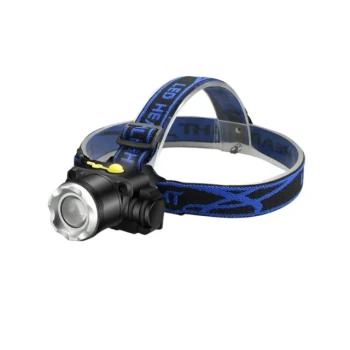
Industrial-grade torch lights and high-capacity batteries are essential tools for honey harvesting because they enable operations to take place at night, a critical window when bee aggression is naturally at its lowest. Reliable illumination allows beekeepers to navigate the apiary and extract honeycombs with surgical precision in low-visibility conditions, ensuring safety for both the operator and the colony.
By shifting operations to nighttime, beekeepers leverage the natural behavioral cycles of the colony to reduce stinging incidents. Industrial lighting solutions bridge the gap between low visibility and the need for precision, making safe nocturnal harvesting possible.
The Strategic Value of Nighttime Operations
Capitalizing on Lowered Aggression
Honey harvesting and hive inspections are often deliberately scheduled for nighttime. During these hours, bee activity is significantly reduced compared to daylight hours.
The natural aggression levels of the colony drop, making the bees less prone to swarming or attacking the operator. This provides a safer working environment, particularly when managing volatile species.
Precision in Low Visibility
While the cover of darkness protects the beekeeper, it creates a logistical challenge: invisibility.
You cannot safely manipulate delicate honeycomb structures or identify the queen in total darkness. Industrial-grade torch lights provide the necessary artificial illumination to inspect frames and remove honey without accidentally crushing bees or damaging the hive infrastructure.
Why Equipment Quality Matters
The Role of Battery Reliability
Harvesting is not a quick process; it often requires hours of sustained focus. Standard consumer batteries may fail midway through an operation, leaving a beekeeper stranded in the dark with an open hive.
Industrial-grade batteries are required to ensure consistent, non-flickering light for the duration of the harvest. The reliability of the power source is a direct safety factor.
The Science of Light Spectrum
Sophisticated lighting setups offer a distinct biological advantage: red light filtration.
Honeybees possess visual senses that are largely insensitive to the red light spectrum. By using industrial torches equipped with red filters or emitters, operators can illuminate the hive clearly without the bees "seeing" the light source. This prevents the agitation and attraction to the light that occurs with standard white LED beams.
Understanding the Trade-offs
Night vs. Day Operations
It is important to note that relying solely on nighttime harvesting is no longer the only option for safety.
Modern protective gear, such as specialized suits and veils, has evolved to allow for safe daytime harvesting, even with aggressive species like the African honeybee (Apis mellifera).
The Risk of Equipment Failure
While night harvesting reduces bee aggression, it increases reliance on technology. If a light fails or a battery dies during a night operation, the situation can become dangerous quickly.
Daytime harvesting relies on physical barriers (suits), while nighttime harvesting relies on behavioral management (darkness) and technology (lights). Professional operations often balance these methods based on the specific temperament of their apiary.
Making the Right Choice for Your Goal
To determine if you should invest in industrial lighting or protective gear, consider your operational priorities:
- If your primary focus is minimizing colony stress: Prioritize red-spectrum industrial lights to conduct inspections at night without triggering defense mechanisms.
- If your primary focus is operational flexibility: Prioritize modern protective suits, which allow you to work safely during the day without being constrained by battery life or lighting conditions.
Success in honey harvesting comes from matching your equipment not just to the task, but to the behavior of the bees you manage.
Summary Table:
| Feature | Industrial Lighting Benefit | Impact on Honey Harvesting |
|---|---|---|
| Light Spectrum | Red-light filtration capability | Prevents bee agitation; bees cannot see red spectrum |
| Battery Life | High-capacity, consistent output | Ensures safety during long operations; no mid-harvest failures |
| Durability | Rugged, weather-resistant builds | Withstands demanding apiary environments and night conditions |
| Visibility | High-lumen precision beams | Allows for frame inspection and queen identification in darkness |
Maximize Your Apiary Productivity with HONESTBEE
At HONESTBEE, we understand that commercial beekeeping requires equipment that never fails. Whether you are a large-scale commercial apiary or a global distributor, we provide the industrial-grade tools you need to thrive. From high-capacity batteries and specialized lighting to honey-filling machines and hive-making hardware, our comprehensive wholesale offering is designed to enhance your operational safety and efficiency.
Ready to upgrade your harvesting capabilities? Contact us today to explore our full spectrum of beekeeping machinery and essential consumables.
References
- MR Ja’Afar-Furo, B.M. Hamidu. Economic analysis of smallholders beekeeping industry in Adamawa state, Nigeria. DOI: 10.4314/gjpas.v13i1.16664
This article is also based on technical information from HonestBee Knowledge Base .
Related Products
People Also Ask
- What are the advantages of using red light sources for African honey bees? Enhance Safety and Colony Health
- Why is a Red-light Flashlight necessary for the nighttime transportation of bee colonies? Enhance Hive Safety & Success
- What are the main products obtained from beekeeping? Honey, Beeswax, and Vital Pollination Services
- What is the primary function of a cylinder-shaped wood mold? Essential Tools for Quality Queen Rearing
- How can beekeeping supplies and accessories enhance the hobby? Essential Tools for Safe & Rewarding Beekeeping