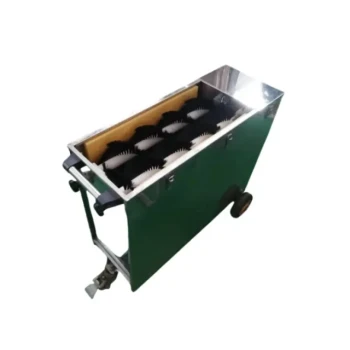
Industrial-grade transport vehicles are the critical enabler of migratory beekeeping, serving as the logistical foundation that allows beekeepers to move large colonies across regions to follow optimal flowering cycles. This mobility is essential for overcoming seasonal nectar shortages, optimizing foraging energy efficiency, and securing high annual honey yields that would be impossible in a fixed location.
The Core Insight Migratory beekeeping is not merely about transportation; it is an energy optimization strategy. Industrial vehicles transform the hive from a static asset into a mobile resource, allowing colonies to constantly operate in "peak season" conditions by chasing the bloom, rather than waiting for it.
Maximizing Yield Through Strategic Mobility
Accessing Optimal Resources
The primary function of these vehicles is to facilitate the cross-regional transfer of colonies. By moving hives to geographical areas with abundant nectar and peak flowering periods, beekeepers ensure their colonies always have access to the richest resources available.
Overcoming Seasonal Scarcity
Static beekeeping is limited by local seasonality. Industrial transport allows operations to bypass local nectar shortages or "dearth" periods. This ensures consistent, year-round high production levels rather than improved yields only during a short local spring or summer.
Optimizing Foraging Efficiency
When hives are transported directly to the source of nectar, the energy output efficiency of the colony improves. Bees spend less energy flying long distances to find food and more energy collecting nectar, directly translating to higher honey volume.
Ensuring Colony Health and Survival
Critical Ventilation Systems
Long-distance transport poses significant risks to biological assets. Specialized transport equipment includes necessary ventilation systems to prevent overheating. Without these specific industrial features, heat buildup inside the hive during transit can lead to rapid colony loss.
Minimizing Physical Stress
Industrial vehicles are equipped with specialized suspension and securing devices designed to minimize vibration and physical shock. Reducing stress during transit is vital; low-stress transport ensures that bees remain healthy and can immediately resume foraging activities upon arrival at the new site.
Avoiding Environmental Extremes
Beyond just finding food, mobility allows beekeepers to move colonies away from areas experiencing extreme heat or environmental stress. This proactive relocation protects the long-term viability of the livestock.
Facilitating Industrial-Scale Operations
Enabling Monofloral Production
The precision mobility provided by these vehicles allows beekeepers to target specific nectar sources such as acacia, chestnut, citrus, or rosemary. This is a prerequisite for producing "monofloral" (single-flower) honey, which often commands a higher market value than generic multi-floral honey.
Supporting Cash Crop Pollination
Industrial transport is the mechanism that allows beekeepers to provide pollination services for vast agricultural areas. The ability to rapidly deploy large numbers of hives to rapeseed, cotton, or clover fields makes the beekeeper an essential partner in the broader agricultural ecosystem.
Understanding the Operational Requirements
The Necessity of Specialized Hardware
Standard cargo trucks are often insufficient for this task. The references highlight that successful migration requires specialized hive fixation systems and loading machinery. These tools ensure structural integrity and facilitate the rapid loading and unloading required for large-scale management.
The Risk of Inadequate Equipment
Attempting migratory beekeeping without industrial-grade solutions introduces severe risks. Inadequate ventilation or poor suspension can result in "transport trauma," where colonies arrive too weak or stressed to forage effectively, negating the benefits of the move.
Making the Right Choice for Your Goal
If your primary focus is Maximum Honey Yield:
- Prioritize vehicles that allow for rapid deployment to varied geographical zones to capture multiple peak flowering seasons (e.g., following the bloom from South to North).
If your primary focus is Colony Health & Sustainability:
- Focus on transport solutions with advanced suspension and ventilation systems to minimize transport stress and prevent overheating during long hauls.
If your primary focus is Business Diversification:
- Leverage these vehicles to offer targeted pollination services for cash crops, utilizing the equipment's capacity for precise, scheduled delivery of colonies to agricultural fields.
Industrial transport vehicles do not just move bees; they stabilize the volatile variables of nature to ensure consistent industrial output.
Summary Table:
| Key Benefit | Critical Industrial Feature | Operational Impact |
|---|---|---|
| Yield Maximization | Strategic Mobility | Enables year-round harvesting by following peak flowering cycles. |
| Colony Protection | Specialized Ventilation | Prevents overheating and colony loss during long-distance transit. |
| Stress Reduction | Advanced Suspension | Minimizes vibration to ensure bees resume foraging immediately. |
| Market Value | Precision Deployment | Facilitates monofloral honey production and paid pollination services. |
| Logistical Scaling | Loading & Fixation Systems | Allows for the rapid, secure movement of hundreds of hives at once. |
Scale Your Commercial Apiary with HONESTBEE
Transitioning to migratory beekeeping requires more than just a move; it requires professional-grade reliability. HONESTBEE specializes in supporting commercial apiaries and distributors with a comprehensive wholesale portfolio designed for industrial-scale success.
From high-performance hive-making and honey-filling machinery to specialized transport equipment and essential consumables, we provide the tools you need to optimize honey yields and maintain colony health.
Ready to elevate your operation? Contact HONESTBEE today to discuss our wholesale solutions and how we can support your business growth.
References
- Başak AYDIN, Duygu Aktürk. Energy Input-Output Analysis and Technical Efficiency of Honey Production in Turkey: A Case Study from Çanakkale Province. DOI: 10.7161/omuanajas.949717
This article is also based on technical information from HonestBee Knowledge Base .
Related Products
- Plastic Transporting Bee Packages and Nuc Boxes for Beekeeping
- Professional Hive Top Bee Feeder for Beekeeping
- Durable Galvanized Steel Frame Grip
- Metal Bee Hive Stand Bee Box Stand for Beekeeping
- Commercial Grade Vertical Electric Bee Sweeper for Bee Removal
People Also Ask
- What role do bee package boxes play in the commercial transport and expansion of honeybee colonies? - Logistic Essentials
- What are beekeeping boxes called? A Guide to Hive Bodies and Box Types
- How do standardized bee packages serve as a recovery mechanism for commercial beekeeping? Ensure Business Continuity
- What is the commercial value of using standardized bee packages? Drive Scalability in Large-Scale Apiaries
- Why is the timely introduction of high-quality bee packages critical? Save Your Apiary from Asian Hornet Invasions