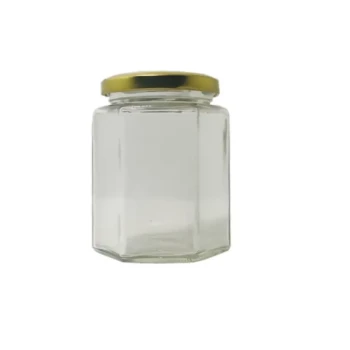
Light-shielded packaging is essential for royal jelly because its key bioactive components, specifically 10-hydroxy-2-decenoic acid (10-HDA) and various proteins, are highly sensitive to photodegradation. By using opaque or UV-resistant containers, processors block light exposure that triggers photo-oxidation, effectively preventing the chemical decomposition that destroys the product's potency and shelf life.
Royal jelly is a biologically active substance that degrades rapidly when exposed to environmental stress. The use of light-proof packaging is not merely aesthetic; it is a fundamental requirement to maintain the delicate molecular structure and efficacy of the jelly against photo-oxidative damage.
Protecting Critical Bioactive Components
The Vulnerability of 10-HDA
The primary marker of royal jelly quality is 10-hydroxy-2-decenoic acid (10-HDA). This fatty acid is chemically unstable when exposed to light.
Light exposure initiates photo-oxidation reactions, which break down the molecular bonds of 10-HDA. Without light-shielding, the concentration of this vital component diminishes rapidly, rendering the product less effective.
Preserving Proteins and Enzymes
Royal jelly is a complex matrix rich in proteins, vitamins, and active enzymes. Like 10-HDA, these organic compounds are susceptible to denaturation.
UV radiation can alter the physical structure of these proteins. Light-proof containers act as a barrier, ensuring the biological activity of these enzymes remains stable from collection to consumption.
Mitigating Oxidative Stress
Reducing Air Exposure
While light is a primary threat, oxygen is equally destructive. Light-shielded containers are often designed with small capacities to address this.
Smaller containers minimize the surface area of the jelly exposed to headspace air. This design reduces the risk of oxidation and spoilage that occurs when the jelly reacts with oxygen.
Standardized Sampling
In a processing context, small, standardized opaque containers allow for precision handling.
They facilitate easy sampling for analysis without exposing the bulk of the batch to the environment. This is crucial for maintaining strict control over pH levels and moisture content during production.
The Synergy with Temperature Control
The Role of Cold Chain Protocols
Light shielding alone is insufficient for total preservation. It must be paired with ultra-low temperature environments.
The primary reference indicates that storage at -20°C is ideal. The combination of opaque packaging (to stop light) and freezing temperatures (to stop thermal degradation) provides the maximum possible shelf life.
Understanding the Trade-offs
The Visibility Constraint
The primary trade-off of using opaque or heavily tinted UV-resistant packaging is the loss of visual inspection.
Operators cannot easily check for physical contaminants or changes in texture without opening the container. This necessitates strict quality control protocols during the filling process, as post-packaging visual checks are impossible.
Dependence on the Total System
Packaging is only one part of the equation. A high-quality light-shielded container cannot compensate for poor temperature management.
If royal jelly is stored in a perfect light-proof container but left at room temperature, the active enzymes and 10-HDA will still degrade due to heat. The packaging is a component of a system, not a cure-all.
Making the Right Choice for Your Goal
To ensure the stability of royal jelly, you must align your packaging strategy with your storage and usage capabilities.
- If your primary focus is Long-Term Preservation: Combine UV-resistant, opaque materials with -20°C cold storage to strictly prevent photo-oxidation and thermal decay.
- If your primary focus is Quality Assurance & Analysis: Utilize small-capacity, standardized light-proof containers to allow for frequent sampling while minimizing oxygen exposure to the remaining batch.
By rigorously controlling light and temperature, you preserve the complex biological activity that gives royal jelly its value.
Summary Table:
| Degradation Factor | Impact on Royal Jelly | Protective Solution |
|---|---|---|
| UV/Light Exposure | Breaks down 10-HDA and denatures active enzymes | Opaque or UV-resistant packaging |
| Oxidation | Causes spoilage and loss of biological activity | Small-capacity containers to reduce headspace air |
| Thermal Stress | Accelerates chemical decomposition | Cold chain storage (ideally -20°C) |
| Sampling Risk | Contamination and environmental exposure | Standardized, light-proof sampling vials |
Elevate Your Beekeeping Operation with HONESTBEE
Preserving the delicate potency of royal jelly requires professional-grade equipment and precision packaging. At HONESTBEE, we specialize in supporting commercial apiaries and distributors with a comprehensive wholesale portfolio.
From advanced honey-filling and hive-making machinery to UV-resistant packaging and specialized beekeeping tools, we provide the end-to-end solutions your business needs to maintain product integrity and maximize market value. Whether you are scaling production or sourcing high-quality industry consumables, our expertise ensures your products meet the highest standards.
Ready to optimize your production? Contact us today to explore our wholesale machinery and tools tailored for the modern apiculture industry.
References
- Maria Josiane Sereia, Vagner de Alencar Arnaut de Toledo. Quality of royal jelly produced by Africanized honeybees fed a supplemented diet. DOI: 10.1590/s0101-20612013005000039
This article is also based on technical information from HonestBee Knowledge Base .
Related Products
People Also Ask
- What is the aesthetic appeal of using glass jars for honey? Elevate Your Brand with Premium Packaging
- What are the logistical challenges associated with using glass jars for honey packaging? Navigating Weight & Fragility
- What are the advantages of glass containers for honey? Elevate Quality and Market Value with Premium Packaging
- What are the technical advantages of using glass jars for honey? Master Commercial Packaging for Premium Purity
- What are the advantages of using glass jars for honey packaging? Preserve Purity & Elevate Your Brand