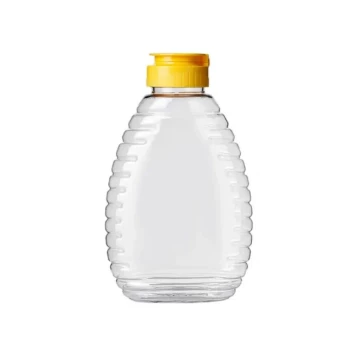
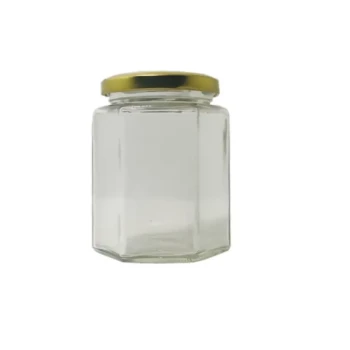
To preserve the authenticity of a honey sample, strict isolation from the environment is non-negotiable. Light-shielding, sealed glass or plastic containers are required to create a stable barrier against humidity, light exposure, and temperature fluctuations. This isolation prevents the alteration of critical chemical markers, specifically moisture content and enzyme activity, ensuring the sample remains representative of its source.
The accuracy of laboratory data is defined by the stability of the sample during transport. Sealed, light-proof containers are the only effective defense against hygroscopic moisture absorption and photo-degradation, preserving the honey's original physicochemical and biological profile for analysis.
Protecting Against Environmental Instability
Preventing Moisture Absorption and Fermentation
Honey is naturally hygroscopic, meaning it actively attracts and holds water molecules from the surrounding air. A hermetically sealed container is essential to block this moisture exchange.
Without a perfect seal, the honey’s water content will rise, altering its physicochemical properties. This excess moisture can trigger fermentation, causing the sample to spoil and rendering subsequent analysis invalid.
Inhibiting Photo-Degradation
Exposure to light initiates chemical reactions that degrade the bioactive components within honey. Light-shielding containers are necessary to inhibit this degradation and maintain the stability of the sample’s enzymes.
By storing samples in dark conditions, you preserve the authentic seasonal and regional compositional features. This ensures that the biological fingerprint of the honey remains intact for verification.
Ensuring Material Inertness and Purity
The Role of Chemical Inertness
The container material itself must not interact with the sample. High-cleanliness glass bottles offer superior chemical inertness, preventing the container from reacting with naturally weak-acidic honey.
Inert containers prevent the migration of contaminants, such as heavy metals or plasticizers, from the packaging into the sample. This preserves the original elemental characteristics required for safety and quality testing.
Safeguarding Pollen and Microbial Data
Sealed environments protect the physical integrity of pollen grains found in the honey. This prevents the loss of pollen or the introduction of foreign particulates, which is critical for accurate palynological (pollen) analysis.
Furthermore, using sterilized, sealed containers prevents secondary microbial contamination. This ensures that any microbial counts obtained in the lab reflect the honey’s original state, rather than handling errors.
Understanding the Trade-offs
Glass vs. Plastic Considerations
While glass provides the highest level of chemical inertness and impermeability, it is fragile and heavier to transport. It is the superior choice for trace element analysis where plasticizers are a concern.
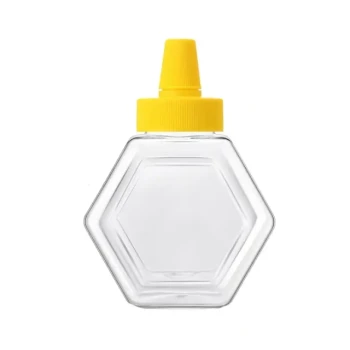
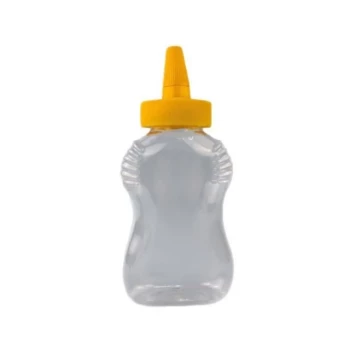
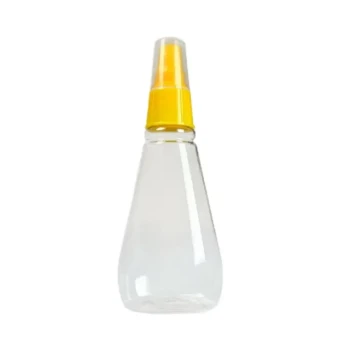
Plastic containers offer durability and excellent sealing capabilities against leakage during rough transport. However, they must be "dedicated" and high-quality to avoid leaching chemicals, making them suitable for general physicochemical and pollen analysis but potentially less ideal for ultra-trace chemical profiling.
Making the Right Choice for Your Goal
Selecting the correct container depends on the specific analytical parameters you intend to measure.
- If your primary focus is basic physicochemical analysis (moisture, sugar): Prioritize a hermetic seal above all else to prevent hygroscopic changes and fermentation.
- If your primary focus is trace contaminants or heavy metals: Use inert glass containers to eliminate the risk of plasticizers or container materials leaching into the acidic honey.
- If your primary focus is pollen source identification: Ensure the container is sterile and leak-proof to prevent cross-contamination of pollen grains from the external environment.
Data reliability begins with sample integrity; a compromised sample yields compromised results.
Summary Table:
| Feature | Protection Goal | Impact on Analysis |
|---|---|---|
| Hermetic Seal | Prevents hygroscopic moisture absorption | Avoids fermentation and inaccurate sugar/water data |
| Light-Shielding | Blocks UV and photo-degradation | Preserves bioactive enzymes and biological fingerprints |
| Chemical Inertness | Prevents material leaching (heavy metals/plasticizers) | Ensures purity for trace element and safety testing |
| Sterilization | Inhibits secondary microbial growth | Guarantees accurate microbial counts and pollen data |
Maximize Your Apiary Efficiency with HONESTBEE
Maintaining honey quality begins with the right tools. At HONESTBEE, we empower commercial apiaries and distributors by providing a comprehensive wholesale range of professional beekeeping solutions. From high-precision honey-filling machines to durable, food-grade storage equipment and honey-themed cultural merchandise, our portfolio is designed to preserve your product's integrity from hive to market.
Ready to scale your beekeeping operations or upgrade your wholesale inventory?
Contact HONESTBEE Today to discover how our industry-leading machinery and consumables can add value to your business.
References
- Priya L. Dhumadiya, Dilipkumar Patel. Pollen Analysis of Natural Honey Sample from the Chikhli taluka of Gujarat state India. DOI: 10.32628/ijsrst2293132
This article is also based on technical information from HonestBee Knowledge Base .
Related Products
- Classic Honey Bear Jars with Flip Top Dispensing Cap for Liquid Sweeteners
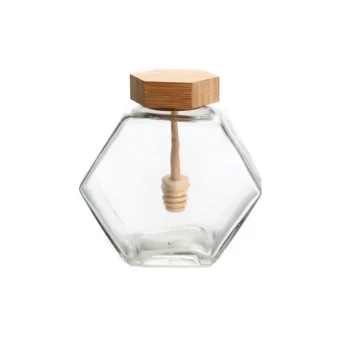
- Hexagonal Glass Honey Jar with Wooden Lid Integrated Dipper Elegant Functional Storage
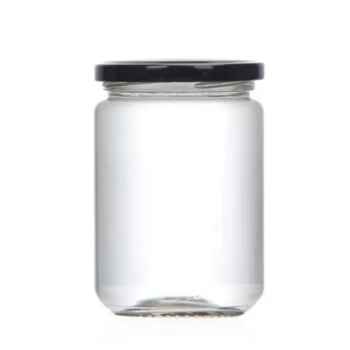
- Classic Round Glass Honey Jar with Lid
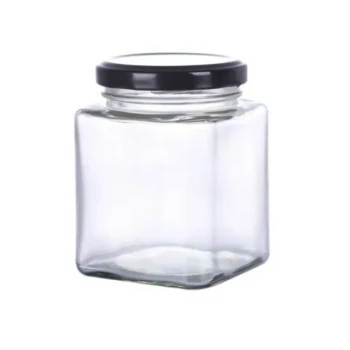
- Modern Square Glass Honey Jar with Twist Off Lid
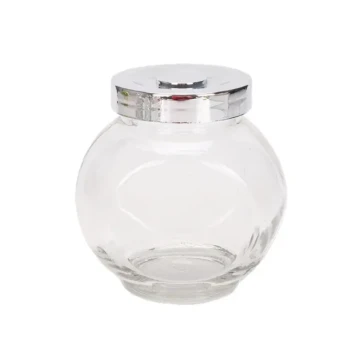
- Classic Drum Shaped Glass Honey Jar with Airtight Lid
People Also Ask
- What food safety standards must honey containers meet? Expert Guide to Packaging Integrity & Hygiene
- Why is it important to distinguish between weight and volume when selecting honey containers? Maximize Profits Now
- What are the benefits of purchasing honey containers in bulk? Maximize Margins & Secure Your Supply Chain
- What should be considered when choosing a container for honey to ensure effective sealing? Master Honey Packaging Success
- What is the best container to store honey in? Preserve Purity & Flavor for Years