The integrity of your final product relies entirely on the purity of your inputs. During the transition to organic beekeeping, utilizing specialized consumables that meet organic standards is essential to ensure your honey remains free from chemical residues. These organic-standard inputs—ranging from medicinal agents to hive coatings—act as a firewall against contamination from pesticides and industrial pollutants, securing the "zero-pollution" status necessary for certification.
Transitioning to organic beekeeping is not merely about changing the hive's location; it requires a systemic overhaul of all material inputs. By strictly adhering to organic-standard consumables, you eliminate contamination risks at the source, ensuring your honey qualifies as a high-purity, premium product competitive in the global market.
The Critical Role of Consumables in Residue Prevention
Achieving organic status requires more than just stopping the use of prohibited chemicals; it requires the active substitution of conventional tools with organic-compliant alternatives.
Colony Health Maintenance
In conventional beekeeping, synthetic pesticides are often used for pest control. In an organic transition, these must be replaced with natural medicinal agents.
For issues like Varroa mite control, you must utilize treatments based on organic acids—such as formic or oxalic acid—or natural plant essential oils. This substitution prevents synthetic chemical residues from accumulating in the wax and honey, which is a primary disqualifier for organic certification.
Pure Nutrition Sources
Feeding consumables represent a high-risk link in the organic monitoring chain. Conventional syrups, such as corn syrup, often introduce Genetically Modified Organism (GMO) components into the hive.
To maintain organic integrity, emergency supplemental feeding is restricted to organic honey or organic syrup. This ensures the bee food chain remains free of GMOs and synthetic residues, preserving the purity of bee excreta and subsequent products like beeswax.
Hive Construction and Coatings
The physical environment of the bees must also meet ecological safety standards to prevent environmental leaching.
You must ensure that beehives are coated with non-chemically treated, natural materials and lead-free paints. This prevents harmful heavy metals or synthetic chemicals from leaching into the colony environment and eventually contaminating the honey.
Understanding the Operational Trade-offs
While organic consumables are non-negotiable for certification, they introduce specific operational challenges that requires careful management.
Increased Management Intensity
Organic pest control agents, such as organic acids, often require more precise application methods than synthetic strips.
The efficacy of natural treatments can be highly dependent on temperature and timing. This demands a higher level of vigilance and labor from the beekeeper to ensure colony survival without reverting to prohibited chemicals.
Sourcing and Cost Implications
Organic-certified feed and foundation wax generally command a higher price point than conventional alternatives.
Furthermore, sourcing verified organic inputs—such as wax foundations free from accumulated pesticides—can be difficult in certain regions. This requires advance planning to ensure you do not run out of compliant materials during critical seasons.
Executing a Successful Transition
To successfully navigate the transition to organic beekeeping, you must align your consumable procurement with your strategic goals.
- If your primary focus is Regulatory Compliance: Audit your entire supply chain to ensure every input—especially emergency feed and wax foundations—has verifiable organic certification documentation.
- If your primary focus is Market Competitiveness: Highlight your use of natural hive materials and non-GMO nutrition to position your honey as a "high-purity" product distinct from standard commercial blends.
Strict adherence to organic consumables is the foundational investment that secures both the ecological safety of your colony and the premium value of your harvest.
Summary Table:
| Consumable Type | Organic Requirement | Primary Benefit |
|---|---|---|
| Pest Control | Organic acids (Formic/Oxalic) or essential oils | Prevents synthetic residue in wax and honey |
| Feeding Sources | Organic honey or certified organic syrup | Eliminates GMO risks and chemical additives |
| Hive Coatings | Natural, lead-free paints and coatings | Prevents heavy metal leaching and environmental toxins |
| Foundation Wax | Pesticide-free, organic-certified wax | Ensures long-term purity of the hive environment |
Elevate Your Commercial Apiary with HONESTBEE
Transitioning to organic beekeeping requires a partner who understands the rigorous demands of global certification. HONESTBEE specializes in supporting commercial apiaries and distributors with a comprehensive range of high-quality, professional-grade beekeeping tools and equipment.
From advanced hive-making and honey-filling machinery to essential consumables and honey-themed cultural merchandise, we provide the full-spectrum wholesale solutions you need to scale your operations sustainably.
Ready to secure your high-purity honey production?
Contact HONESTBEE Today for Custom Wholesale Solutions
References
- Lyubomir Lyubenov, Ivaylo Hristakov. Economic-geographical characteristic of beekeeping in the Ruse region. DOI: 10.22616/esrd.2022.56.021
This article is also based on technical information from HonestBee Knowledge Base .
Related Products
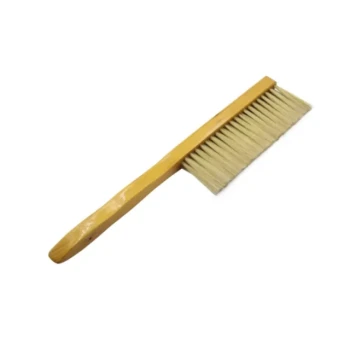
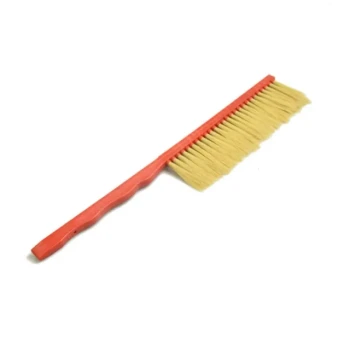
- Wooden Bee Brush with Triple Row Artificial Fiber for Beekeeping
- Stainless Steel Honey Bee Smoker Hive and Honeycomb Smoker for Beekeeping
- Yellow Plastic Bucket Pail Perch for Beekeeping
- Professional Bee Smoker with Elongated Spout and Durable Bellows for Beekeeping
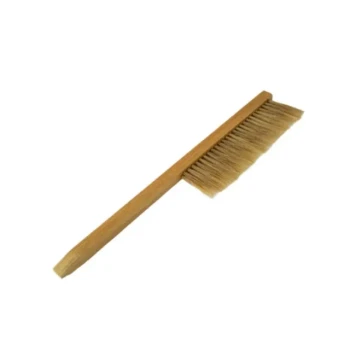
- Classic Wooden Bee Brush with Double-Row Boar Bristles
People Also Ask
- What is the specific function of a bee brush? Ensure Pure Harvests and Colony Welfare During Honey Extraction
- What are the key characteristics of the bristles on a bee brush? Master Gentle and Efficient Bee Removal
- What is the purpose of using a bee brush during the inspection of hive components? Safe & Precise Hive Management
- What problem does a bee brush solve? Protect Your Colony with Gentle Precision Tools
- Why is a bee brush necessary when extracting honeybee hive frames that contain larvae? Protect Your Brood and Colony