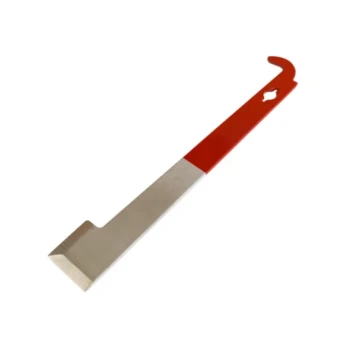
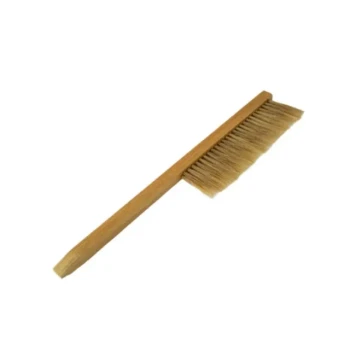
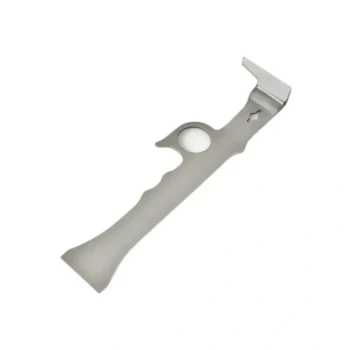
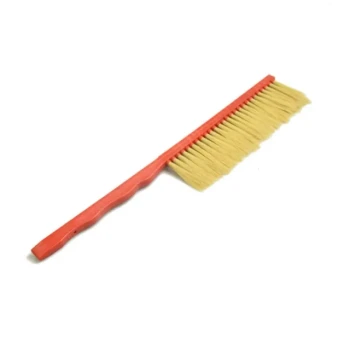
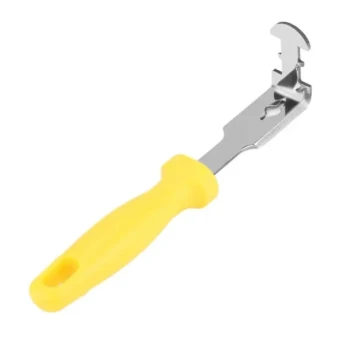
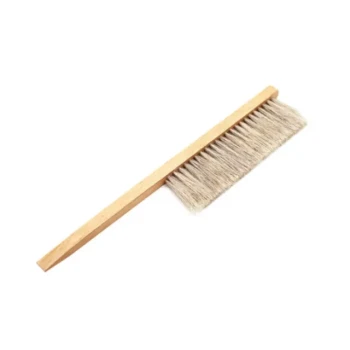
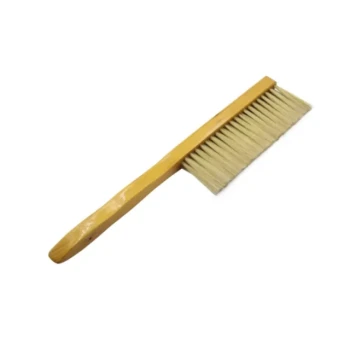
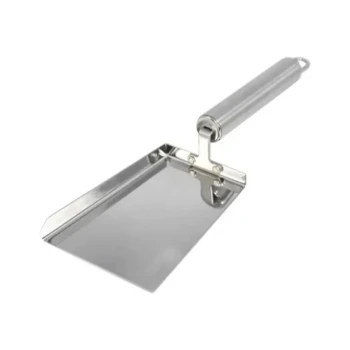
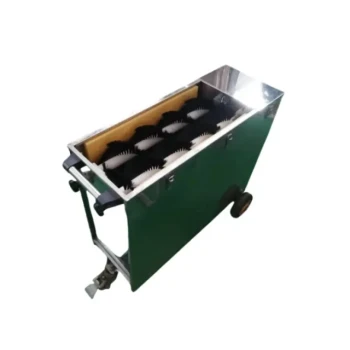
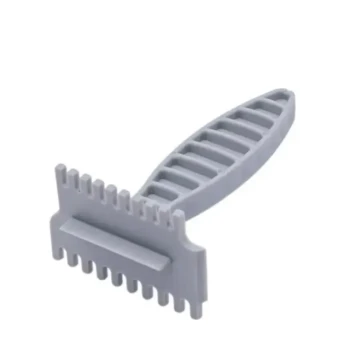
Professional apiary cleaning tools are a critical physical defense mechanism necessary for interrupting the reproductive cycles of hive pests. By effectively removing debris and waste accumulation, these tools eliminate the specific micro-environments required for the proliferation of parasites such as wax moths and Varroa mites.
Core Takeaway While chemical treatments address existing infestations, professional cleaning tools function as a preventative physical barrier against disease outbreaks. By denying pests the debris they need to breed, these tools maintain colony immunity and secure the stability of high-yield honey production.
The Mechanics of Parasite Prevention
Removing Host Environments
Parasites thrive in neglected corners of a hive. Accumulated waste and debris on the bottom board or between frames provide ideal breeding grounds for pests. Professional cleaning tools allow the beekeeper to scrape and remove this matter thoroughly, physically evicting pests before they establish a foothold.
Disrupting Pest Lifecycles
Regular cleaning prevents the buildup of organic matter that fuels large-scale outbreaks. By removing wax moth webbing or mite-harboring debris, you interrupt the pest's lifecycle. This acts as a physical defense, reducing the colony's parasitic load without immediately resorting to chemical interventions.
Operational Precision and Hive Access
Overcoming Propolis Seals
Bees naturally seal hive components with propolis, a resinous glue that creates tight bonds. Professional tools utilize high-hardness metal and physical leverage to pry open these seals. Without this specific leverage, beekeepers cannot access the hidden areas where parasites congregate.
Protecting Hive Structure
Improvised tools often damage the wooden or composite structure of the hive during inspection. Splinters, cracks, and gouges created by poor tools create new hiding spots for pests that are difficult to clean. Professional tools separate components precisely, preserving the smooth surfaces necessary for effective pest management.
Hygiene and Disease Containment
Preventing Cross-Contamination
Dirty gear is a primary vector for disease transmission. Professional tools, including gloves and scrapers, must be cleaned to prevent carrying pathogens from a sick colony to a healthy one. Proper sanitation of these tools stops the apiary-wide spread of infection.
Reducing Defensive Behavior
Residues of bee venom or alarm pheromones left on dirty tools or gloves can agitate the colony. Agitated bees make thorough cleaning difficult and dangerous. Using clean, professional equipment ensures the bees remain calmer, allowing for the meticulous inspection required to spot and remove parasites early.
Understanding the Trade-offs
The Limit of Physical Cleaning
While cleaning is essential, it is rarely a cure-all for a heavy infestation. Physical removal of debris is a preventative measure, not a substitute for medical treatment if a colony is already overrun by Varroa mites. It must be part of an Integrated Pest Management (IPM) strategy.
The Risk of Over-Intervention
While frequent cleaning aids in parasite control, excessive disruption can stress the colony. There is a balance between maintaining hygiene and allowing the bees to regulate their own environment. Professional tools aid this balance by making inspections faster and less intrusive, minimizing the duration of stress placed on the bees.
Making the Right Choice for Your Goal
To maximize the effectiveness of your parasite control strategy, apply these principles based on your specific objectives:
- If your primary focus is Disease Prevention: Prioritize tools that allow for deep scraping of bottom boards and crevices to eliminate organic debris where larvae thrive.
- If your primary focus is Commercial Efficiency: Invest in high-leverage, durable metal tools that allow for rapid, non-destructive access to hives for more frequent monitoring.
- If your primary focus is Biosecurity: Implement a strict rotation of sanitized gloves and tools to prevent the mechanical transfer of mites and pathogens between hives.
The right tool does not just clean the hive; it safeguards the biological integrity of the entire colony.
Summary Table:
| Feature | Physical Cleaning Benefit | Impact on Parasite Control |
|---|---|---|
| Debris Removal | Eliminates breeding grounds on bottom boards | Prevents wax moth and mite proliferation |
| Leverage & Precision | Safely breaks propolis seals without damage | Eliminates hidden gaps where pests congregate |
| Surface Integrity | Preserves smooth hive structures | Reduces cracks that serve as pest hiding spots |
| Sanitation Compatibility | Prevents cross-contamination of pathogens | Stops apiary-wide spread of infections |
| Efficient Access | Faster, less intrusive inspections | Minimizes colony stress and defensive behavior |
Secure Your Apiary’s Success with HONESTBEE
Don't let preventable pests compromise your honey production. HONESTBEE provides commercial apiaries and distributors with professional-grade beekeeping tools and machinery designed for peak biosecurity and operational efficiency. From high-leverage scrapers to advanced hive-making equipment and essential consumables, our comprehensive wholesale portfolio empowers you to maintain a healthy, high-yield environment.
Ready to scale your beekeeping operation with industry-leading equipment?
Contact Us Today to Explore Wholesale Solutions
References
- Grégoire Paraïso, Zackari Orou-Goura. Déterminants Et Contraintes De La Pratique De L’apiculture Dans Les Communes De Djidja Et Zogbodomey Au Sud Du Bénin (Afrique De l’Ouest). DOI: 10.19044/esj.2016.v13n3p279
This article is also based on technical information from HonestBee Knowledge Base .
Related Products
- Professional Stainless Steel J-Hook Hive Tool
- Precision Stainless Steel Frame Cleaner for Hive Grooves and Corners
- Classic Wooden Bee Brush with Double-Row Boar Bristles
- Professional 600D Oxford Cloth Beekeeping Tool Bag with 8 Pockets and Elastic Loops
- HONESTBEE Classic Pry Bar Hive Tool with High Visibility Finish for Beekeeping
People Also Ask
- What are the primary functions of a stainless steel hive tool? Essential Tips for Efficient Apiary Maintenance
- What are the primary functions of a stainless steel hive tool? Essential Equipment for Professional Beekeeping
- Which technical challenges in hive maintenance are addressed by using a professional stainless steel hive tool?
- What is the function of a professional stainless steel hive tool in IFB? Optimize Your Colony Strength Assessment
- What is a J-hook hive tool and why is it favored by some beekeepers? Master Gentle Frame Handling