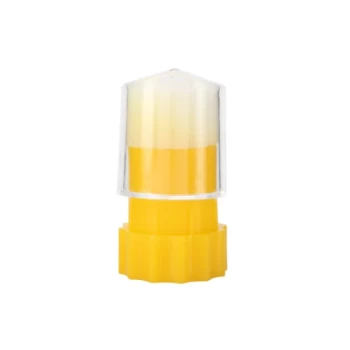
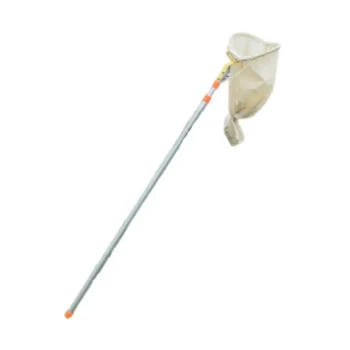
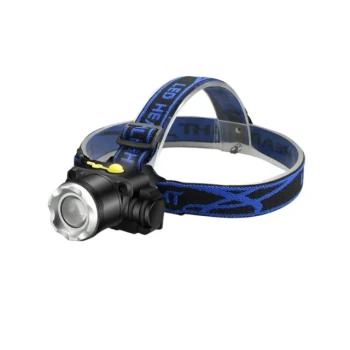
The necessity of professional identification and monitoring tools lies in their ability to ensure biological accuracy and commercial scalability. These specialized systems allow technicians to precisely distinguish commercially valuable species, such as Tetragonula carbonaria, from invasive groups that threaten colony health. By integrating high-precision survey tools and environmental sensors, apiaries can establish a reliable technical framework for native bee cultivation, genetic protection, and sustainable honey production.
Professional monitoring tools transition native beekeeping from a high-risk manual hobby into a predictable, data-driven commercial enterprise. By mitigating biosecurity risks and optimizing environmental conditions, these tools provide the foundational data required for both industrial scaling and government-backed conservation efforts.
Establishing Technical Precision in Species Identification
Distinguishing Commercially Viable Species
Professional identification consumables allow technicians to accurately isolate species with high commercial value from look-alike groups. This precision is the bedrock of colony health monitoring, ensuring that resources are invested in the most productive and resilient native species.
Mitigating Invasive Species and Hybridization Risks
Specialized tools prevent the accidental introduction of invasive species into apiaries, which can lead to aggressive ecological competition. By maintaining strict species identification protocols, managers eliminate hybridization risks and block the transmission of pathogens from non-native populations.
Standardizing Data for Policy Support
High-precision survey tools provide the statistically reliable data necessary to prove the ecological sustainability of beekeeping operations. This data is essential for securing government support and formulating scientific intervention measures when native species face environmental threats.
Advanced Biosecurity and Colony Health Monitoring
Physical Barriers and Biological Control Systems
Stingless bees are uniquely vulnerable to specific predators and parasites that can collapse a colony in days. Modern monitoring systems utilize physical barriers and biological control consumables to reduce these threats without the need for chemical interventions that could contaminate honey.
The Role of Environmental Sensors in Hive Stability
Because native bees have limited defensive capabilities against rapid climate shifts, temperature and humidity recorders are critical for survival. These sensors provide real-time data, allowing beekeepers to implement physical shielding or climate adjustments before environmental stress leads to colony loss.
Maintaining Chemical-Free Purity
Professional maintenance equipment ensures that hive interventions are handled with high precision, minimizing the risk of environmental contamination. Standardized tools support chemical-free foraging environments, which directly determines the ultimate purity and market value of the collected nectar.
Optimizing Operational Management and Logistics
Enhancing Management through Queen Identification
Visual identification tools, such as color-coded markers, are vital for identifying the queen bee during intensive manual management. While queens establish status through pheromones, physical tags prevent beekeeper confusion during emergency responses, ensuring a clear chain of command within the hive.
Mobilizing Colonies for Pollination Services
Specialized transport and moving equipment allow for the flexible migration of hives to specific habitats based on flowering periods. This operational mobility is the physical foundation for maximizing pollination services and studying bee performance across diverse landscapes, such as fragmented woodlands versus mainlands.
Establishing Genetic Protection Frameworks
Detailed colony records and genetic monitoring tools allow managers to scientifically assess the long-term viability of their stock. This technical framework ensures that commercial activities do not deplete genetic diversity, preserving the species for future cultivation cycles.
Understanding the Trade-offs
Balancing Sophistication with Field Usability
High-precision monitoring equipment offers superior data but may require specialized technical training for field staff. Resellers must consider that while complex systems offer more insight, they also introduce a higher operational learning curve for the end-user.
Managing Initial Capital Investment vs. Long-term Gain
The primary pitfall for many apiaries is the initial cost of professional-grade identification and transport equipment. However, failing to invest in these tools often results in unseen colony losses and production interruptions that far exceed the cost of the original equipment.
How to Apply This to Your Project
When selecting a suite of professional tools, your choice should align with your specific commercial or conservation objectives.
- If your primary focus is Commercial Honey Production: Prioritize environmental sensors and biological pest control systems to ensure colony stability and product purity.
- If your primary focus is Conservation and Research: Focus on high-precision survey tools and genetic identification consumables to provide statistically valid data for environmental assessments.
- If your primary focus is Pollination Services: Invest in specialized transport equipment and queen marking tools to facilitate hive mobility and rapid manual interventions.
Utilizing a professional technical framework is the only way to ensure the long-term biological integrity and commercial profitability of native bee apiaries.
Summary Table:
| Tool Category | Key Function | Primary Benefit |
|---|---|---|
| Identification Tools | Distinguish species & queens | Ensures genetic purity and prevents invasive competition |
| Environmental Sensors | Monitor hive temp & humidity | Mitigates climate stress and ensures colony stability |
| Physical Barriers | Biological pest control | Protects against parasites without chemical contamination |
| Transport Equipment | Facilitate hive migration | Maximizes pollination revenue and operational mobility |
Scale Your Apiary Business with HONESTBEE
As a premier one-stop sourcing partner for distributors, wholesalers, and B2B resellers, HONESTBEE empowers your business with a comprehensive full-spectrum product portfolio. We provide everything from specialized hive-making and honey-filling machinery to professional consumables and honey-themed cultural merchandise.
Why Partner with HONESTBEE?
- Maximize Profit Margins: Benefit from our competitive wholesale offerings and reliable supply chain.
- Rapid Response & Delivery: Experience ultra-fast delivery and efficient order fulfillment to keep your inventory moving.
- OEM/ODM Support: Tailor our professional beekeeping tools to meet your specific market needs with our deep industry expertise.
Ready to elevate your inventory with professional-grade apiary solutions? Contact our dedicated service team today to discuss your wholesale needs!
References
- Kit Prendergast. An Evaluation of the Popularity of Australian Native Bee Taxa and State of Knowledge of Native Bee Taxonomy Among the Bee-Interested Public. DOI: 10.3390/insects16111149
This article is also based on technical information from HonestBee Knowledge Base .
Related Products
- Professional Stainless Steel Pry-Bar Hive Tool
- Professional Queen Catcher and Introduction Queen Cage
- 5 Gallon Pail Opener Bucket Opener Tool for Honey Bucket
- HONESTBEE Adjustable Voltage Wire Embedder with Digital Display
- Professional Large-Format Hive Number Set for Beekeeping
People Also Ask
- What is the function of a professional stainless steel hive tool in IFB? Optimize Your Colony Strength Assessment
- Which technical challenges in hive maintenance are addressed by using a professional stainless steel hive tool?
- What are the primary functions of a stainless steel hive tool? Essential Equipment for Professional Beekeeping
- What are the primary functions of a stainless steel hive tool? Essential Tips for Efficient Apiary Maintenance
- What is the role of professional hive tools in routine apiary maintenance? Expert Tips for Hive Health and Longevity