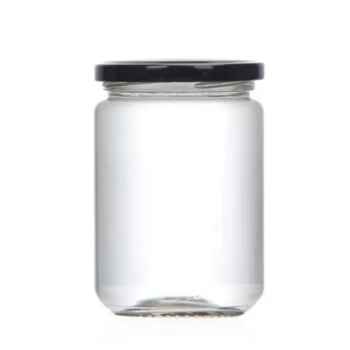
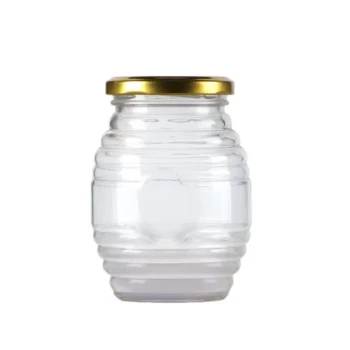
Sealed glass bottles are the preferred standard for honey sampling primarily due to their superior chemical inertness and impermeability. Unlike other materials, glass prevents the honey’s natural acidity from reacting with the container walls and creates a hermetic barrier against atmospheric moisture and contaminants, ensuring the microbial community and physicochemical properties observed in the lab are identical to those at the collection site.
The Core Insight Honey is a chemically complex, acidic, and hygroscopic substance that actively interacts with its environment. Glass acts as a neutral "vault," isolating the sample to prevent fermentation, chemical leaching, or enzymatic degradation that would otherwise compromise laboratory data.
Preserving Chemical Integrity
To obtain accurate data, the container must not become part of the experiment. Glass is uniquely suited to neutralize this risk.
Resistance to Acidity
Honey is naturally acidic. Sealed glass bottles provide high chemical stability, ensuring the container does not react with these acids. This prevents the alteration of the honey's original botanical flavor profiles and chemical composition.
Prevention of Leaching
Plastic or metal containers can sometimes release substances into the sample over time. Glass effectively prevents the migration of container materials into the honey. This avoids the introduction of foreign impurities that could skew sensitive physicochemical analysis.
Controlling the Physical Environment
Honey is not static; it seeks equilibrium with the air around it. The transport vessel must strictly control this interaction.
Combating Hygroscopicity
Honey is highly hygroscopic, meaning it aggressively absorbs moisture from the air. Sealed glass is impermeable to gases and moisture, creating a barrier that plastic often cannot match. This is critical for maintaining the honey's original concentration and preventing dilution during transport.
Preventing Spoilage and Fermentation
If honey absorbs external moisture, the water activity level rises. Increased water activity can trigger dormant yeasts, leading to fermentation and spoilage. The superior sealing performance of glass blocks moisture ingress, stabilizing the sample against microbial overgrowth before analysis.
Protecting Biological Activity
Beyond basic chemistry, honey contains fragile biological components that define its quality and origin.
Safeguarding Sensitive Enzymes
Honey contains heat-sensitive enzymes like catalase and amylase. Glass provides superior isolation properties that help protect these enzymes from degradation in room-temperature environments. Preserving these enzymes is essential for the accuracy of biochemical indicator testing.
Maintaining Microbial Baselines
The goal of microbial collection is to count what was present in the hive, not what entered during travel. Sterilized, sealed glass isolates the honey from external microbial contamination. This ensures that subsequent microbial counts reflect the true state of the honey, rather than handling artifacts.
Understanding the Trade-offs
While glass is chemically superior, it introduces logistical challenges that must be managed.
Fragility and Weight
Glass is heavier and more prone to breakage than plastic. Transporting these samples requires robust packaging to prevent loss of the sample and safety hazards during shipping.
Light Sensitivity
Standard clear glass does not filter light. Exposure to light can alter chemical compositions and degrade specific enzymes. If using clear glass, samples must be stored in dark conditions or shielded boxes to prevent photodegradation.
Making the Right Choice for Your Goal
To ensure your sampling methodology aligns with your analytical objectives, consider the following:
- If your primary focus is Microbial and Chemical Accuracy: Prioritize sterilized, sealed glass to ensure zero interaction between the container and the sample's acidity or moisture content.
- If your primary focus is Enzyme Preservation: Ensure the glass container is not only sealed but also shielded from light and kept at stable temperatures to protect catalase and amylase.
By selecting sealed glass, you prioritize the data integrity of the sample over the logistical convenience of the container.
Summary Table:
| Feature | Advantage of Sealed Glass | Impact on Honey Analysis |
|---|---|---|
| Chemical Inertness | Does not react with honey's natural acidity | Preserves botanical profiles and prevents leaching |
| Impermeability | Blocks atmospheric moisture and gases | Prevents fermentation by stopping moisture absorption |
| Hermetic Sealing | Isolates sample from external contaminants | Ensures accurate microbial baselines and enzyme counts |
| Material Stability | Resistant to leaching and degradation | Guarantees zero migration of container materials into sample |
Elevate Your Honey Quality Control with HONESTBEE
Maintaining the integrity of your honey samples is critical for commercial success. At HONESTBEE, we support commercial apiaries and distributors with more than just high-quality equipment; we provide the expertise needed to scale your operations efficiently.
Whether you need specialized honey-filling machines designed to handle acidic substances with precision or a full spectrum of beekeeping tools and machinery, we are your dedicated wholesale partner. From industrial hardware to honey-themed cultural merchandise, we help you bring the best products to market.
Ready to optimize your production and sampling process? Contact us today to explore our comprehensive wholesale offerings and discover how HONESTBEE can add value to your business.
References
- Raíssa de Assis Carvalho, Felipe Machado Trombete. Assessment of adulteration and mycoflora identification of honey samples marketed in the metropolitan region of Belo Horizonte, Brazil. DOI: 10.33448/rsd-v9i7.4246
This article is also based on technical information from HonestBee Knowledge Base .
Related Products
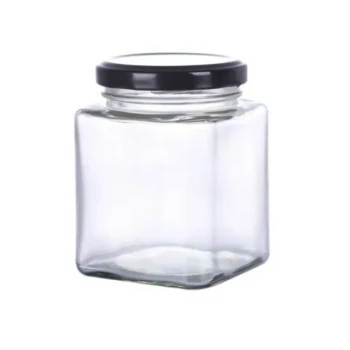
- Modern Square Glass Honey Jar with Twist Off Lid
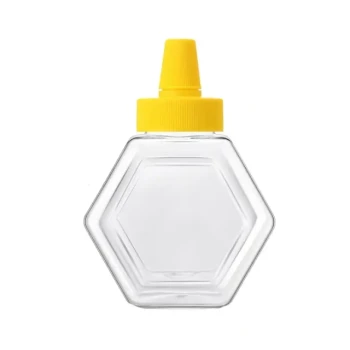
- Hexagonal Squeeze Honey Bottle with No Drip Lid
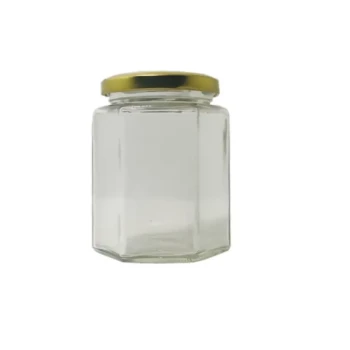
- Hexagonal Glass Honey Jars with Metal Lug Caps Elegant Versatile Packaging
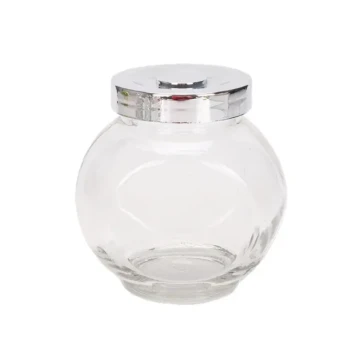
- Classic Drum Shaped Glass Honey Jar with Airtight Lid
- Classic Round Glass Honey Jar with Lid
People Also Ask
- What is the aesthetic appeal of using glass jars for honey? Elevate Your Brand with Premium Packaging
- What are the advantages of glass containers for honey? Elevate Quality and Market Value with Premium Packaging
- What are the advantages of using high-quality glass containers in the commercial packaging of honey? Boost Premium Value
- What are the technical advantages of using glass jars for honey? Master Commercial Packaging for Premium Purity
- Why are standardized transparent glass jars used in the sensory analysis of honey? Keys to Objective Grading