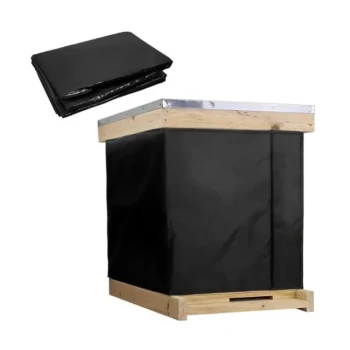
Specialized beehive coatings act as a critical engineering control to preserve the structural integrity of wooden beekeeping equipment. By applying these coatings to the exterior of the hive, beekeepers provide essential waterproofing, corrosion resistance, and protection against ultraviolet (UV) radiation. This maintenance step effectively shields the equipment from extreme outdoor weather, significantly extending the service life of the production facility.
The core value of a specialized coating is not aesthetic; it is functional preservation. By creating a barrier against moisture and UV degradation, you transform a biodegradable wooden box into a durable, long-term asset without compromising the health of the colony inside.
The Mechanisms of Protection
Waterproofing and Moisture Barriers
Wooden hives are naturally porous and susceptible to rot when exposed to rain, snow, and humidity. Specialized coatings seal the exterior wood grain, preventing water ingress that leads to warping, fungal decay, and structural failure.
UV Radiation Shielding
Constant exposure to sunlight breaks down the lignin in wood, causing it to become brittle and gray over time. High-quality coatings reflect or absorb UV rays, preserving the material strength of the hive bodies and ensuring they remain robust during handling and transport.
Corrosion Resistance for Hardware
While the hive body is wood, the structural integrity often relies on metal nails, screws, and hinges. By sealing the wood, coatings prevent moisture accumulation around metal components, thereby reducing rust and corrosion that can loosen joints and compromise the hive's stability.
Material Selection and Safety
The Necessity of Non-Toxic Formulations
Unlike standard industrial paints, beehive coatings must be strictly non-toxic to avoid poisoning the colony. Low-VOC (volatile organic compound) paints are essential to ensure the chemical off-gassing does not harm the sensitive respiratory systems of the honeybees or contaminate the honey.
Adhesion and Durability
To ensure the coating lasts, the application process often involves a specific layering strategy. Exterior latex paint is the industry standard for the topcoat due to its flexibility and weather resistance.
Optimizing the Substrate
For the latex topcoat to adhere correctly to the wood, an oil-based exterior primer is often recommended. This primer penetrates the wood fibers to create a solid foundation, preventing the topcoat from peeling or flaking prematurely.
Common Pitfalls to Avoid
Avoiding Internal Application
Coatings should generally be applied only to the exterior surfaces of the hive. Painting the interior can trap moisture produced by the bees' respiration, leading to mold growth and creating an unhealthy environment for the colony.
The Trap of "Weatherproof" vs. "Breathable"
While waterproofing is vital, the coating must not seal the hive so tightly that it prevents the wood from "breathing" entirely. Using appropriate exterior latex allows for some moisture exchange, whereas impermeable plastic-like sealants can cause wood to rot from the inside out.
Making the Right Choice for Your Maintenance Strategy
To maximize the longevity of your equipment and the health of your apiary, select your maintenance materials based on your specific operational goals.
- If your primary focus is Equipment Longevity: Prioritize an oil-based primer followed by a high-quality exterior latex topcoat to ensure maximum adhesion and weather resistance over decades of use.
- If your primary focus is Colony Health: Strictly verify that all selected paints are Low-VOC and certified non-toxic, ensuring no chemical residue affects the bees or the honey products.
- If your primary focus is Cost Efficiency: View the coating process as preventative capital investment; a small upfront cost in paint prevents the significantly higher expense of replacing rotted wooden components every few years.
By treating hive coatings as a vital component of infrastructure maintenance, you safeguard both your financial investment and the biological viability of your colonies.
Summary Table:
| Feature | Specialized Coating Benefit | Impact on Apiary Operations |
|---|---|---|
| Moisture Barrier | Prevents wood rot and warping | Increases equipment lifespan and durability |
| UV Shielding | Blocks lignin degradation | Maintains structural integrity of hive bodies |
| Low-VOC Content | Non-toxic chemical profile | Ensures bee health and honey purity |
| Primer Adhesion | Creates a deep-seated bond | Prevents peeling, reducing maintenance frequency |
| Rust Prevention | Seals hardware joints | Keeps hive assemblies stable and secure |
Maximize the Longevity of Your Apiary Infrastructure
As a commercial operator or distributor, your equipment is the backbone of your business. HONESTBEE specializes in supporting large-scale beekeeping operations with a comprehensive wholesale range, including everything from specialized hive-making machinery and honey-filling systems to high-performance beekeeping tools and industry-standard consumables.
Don't let rot and UV damage compromise your capital assets. Contact HONESTBEE today to discover how our professional-grade equipment and supplies can enhance your efficiency and scale your production. Let us help you protect your colonies and your bottom line.
References
- Arianna Pignagnoli, Aldo Dal Prà. Carbon Footprint of Honey in Different Beekeeping Systems. DOI: 10.3390/su131911063
This article is also based on technical information from HonestBee Knowledge Base .
Related Products
- Inner Beehive Cover for Beekeeping Bee Hive Inner Cover
- Telescopic Beehive Outer Cover Lid Roof with Galvanised Sheeting for Langstroth Hive and Beehive Outer Cover
- Professional Insulated Winter Hive Wrap for Beekeeping
- Professional Insulated Plastic Bee Hives
- Wooden Bee Hive Frames for Beekeeping and Wholesale
People Also Ask
- What is the purpose of the inner cover in a beehive? A Key to Hive Health & Easy Management
- What is the function and placement of an inner cover in a beehive? Essential Hive Management Guide
- What is the purpose of the inner and outer covers in a beehive? Essential for Hive Health & Management
- What is a beehive's inner cover and how is it used? Essential Guide for Hive Insulation and Ventilation
- What are the functions of the inner and outer covers on a beehive? Essential Guide for Hive Protection and Management