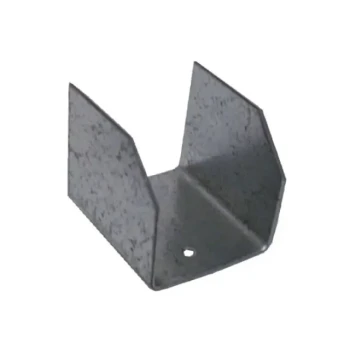
Specialized carriers serve as precision delivery systems designed to facilitate the controlled and sustained release of miticides within a beehive. Instead of subjecting the colony to a sudden, high-concentration chemical event, materials like plywood strips hold the active ingredients and allow them to be distributed gradually through physical contact.
The core value of a specialized carrier is its ability to transform a chemical treatment into a physical contact process. By leveraging the natural movement of the colony, these tools ensure uniform distribution of the miticide while mitigating the risks of chemical toxicity.
The Mechanics of Distribution
Leveraging Natural Bee Behavior
The efficacy of a carrier depends on the natural activity of the honeybees. Because bees are highly mobile and social, they act as a living distribution network for the treatment.
Contact-Based Transfer
As bees move through the hive, they physically rub against the impregnated strips. This contact transfers a specific dose of the active ingredient onto their bodies.
Achieving Uniform Coverage
Once a bee picks up the miticide, it spreads the substance to other colony members during social interactions. This chain reaction ensures the treatment reaches the entire population, rather than staying localized near the application site.
The Necessity of Controlled Release
Sustaining Therapeutic Levels
To be effective against mites, the treatment must remain active over a specific period. Carriers release the chemical slowly, maintaining a lethal environment for the mites without overwhelming the bees.
Preventing Chemical Shock
Direct application methods can sometimes result in toxic spikes. Specialized carriers modulate this output, providing a steady "slow drip" of the active ingredient that is safer for the colony's immediate health.
Critical Management and Trade-offs
The Precision of Soak Concentration
The success of this method relies heavily on the preparation of the carrier. The concentration of the miticide soaked into the strip must be exact; too low renders it useless, while too high creates toxicity risks.
The Danger of Pathogen Resistance
One of the most significant risks in using carriers is leaving them in the hive too long. If the strips remain after the chemical concentration drops to sub-lethal levels, surviving mites may develop resistance to the treatment.
Preventing Residue Accumulation
Strict management of placement duration is required to protect hive products. Overexposure can lead to chemical residues building up in the comb wax and honey, compromising the purity of the harvest.
Ensuring Safe and Effective Application
To utilize specialized carriers effectively, you must balance the need for distribution against the risks of overuse.
- If your primary focus is Treatment Efficacy: Place carriers in high-traffic areas of the brood nest to maximize the number of bees rubbing against the strips.
- If your primary focus is Colony Sustainability: Strictly adhere to the manufacturer's removal timeline to prevent the development of miticide-resistant mite populations.
The key to successful mite management lies not just in the chemical used, but in the disciplined control of its release and duration.
Summary Table:
| Feature | Benefit to the Colony | Role of the Carrier |
|---|---|---|
| Distribution Method | Uniform hive-wide coverage | Leverages bee movement for contact-based transfer |
| Release Rate | Prevents chemical shock & toxicity | Provides a sustained, controlled "slow drip" |
| Safety Mechanism | Minimizes residues in honey/wax | Regulates concentration through exact soaking |
| Efficacy Period | Long-term mite reduction | Maintains lethal levels throughout the treatment cycle |
Elevate Your Apiary’s Productivity with HONESTBEE
At HONESTBEE, we specialize in empowering commercial apiaries and distributors with high-performance beekeeping solutions. Whether you are seeking precision carriers for mite management, heavy-duty hive-making machinery, or professional honey-filling equipment, our comprehensive wholesale portfolio is designed to scale your operations.
Our Value to You:
- Full Spectrum Supply: From specialized hardware to essential industry consumables.
- Commercial Scale: Tailored offerings for large-scale distributors and professional beekeepers.
- Brand Excellence: Enhance your market presence with our honey-themed cultural merchandise and premium tools.
Ready to optimize your yield and streamline your maintenance? Contact us today to discuss your wholesale needs and discover how HONESTBEE can support your growth.
References
- Robert Owen. Role Of Human Action In The Spread Of Honey Bee Pathogens. DOI: 10.5281/zenodo.1009171
This article is also based on technical information from HonestBee Knowledge Base .
Related Products
- HONESTBEE AC Powered Wire Embedder with Alligator Clips
- Professional Dual Action Queen Excluder Scraper for Beekeeping
- Heavy-Duty Ergonomic Grip Galvanized Pollen Shovel
- Professional Beekeeper Suit with Square Folding Cotton Veil
- Premium Traditional Copper Bee Smoker with Bellows
People Also Ask
- How can combs be further strengthened? Embed Wires for Durable, High-Yield Hives
- What is an embedder in beekeeping? Essential Tool for Strengthening Wax Foundation & Hive Frames
- Why must strict sanitary and health prevention protocols be implemented for honeybee transport? Maximize Colony Survival
- What are the primary indicators of healthy honeybee colonies? Optimize Your Commercial Apiary for Peak Productivity
- Why must honeybee samples be stored in high-concentration ethanol and low temperatures? Ensure Genetic & Physical Integrity