Studying subterranean stingless bees demands a balance of robust force and surgical precision. Specialized field tools and protective gear are strictly necessary because these species construct complex nests underground, often in hostile environments shared with aggressive ant colonies. Standard equipment is insufficient to retrieve these nests without destroying critical architectural data or endangering the researcher.
Specialized gear serves a dual purpose: it protects the researcher from environmental hazards like cohabitating ants, and it protects the colony’s delicate structure to ensure scientific accuracy during extraction.
Navigating the Subterranean Environment
Overcoming Physical Barriers
Subterranean nests are rarely simple holes in the ground; they are often fortified. Researchers require specialized excavation tools to breach external batumen barriers—hard, resinous structures bees build for protection—without crushing the interior of the nest.
Mitigating Biological Hazards
Underground excavation presents risks beyond the bees themselves. Many subterranean stingless bee species nest in close proximity to ant colonies. Protective equipment is essential to prevent injury from these coexisting insects while the researcher is focused on the delicate task of excavation.
Ensuring Complete Retrieval
Scientific rigor requires the entire colony, not just a sample. Specialized tools allow for the complete retrieval of the nest, ensuring that population counts and caste distributions are accurate rather than estimated.
Preserving Architectural Integrity
Documenting Complex Structures
The physical layout of the nest provides vital biological data. Tools must be precise enough to expose and recover entrance tubes and brood cell arrangements intact. Rough handling or improper tools effectively erase this architectural record before it can be studied.
Maintaining Morphological Integrity
When individual specimens are needed for taxonomy, brute force is unacceptable. Insect aspirators are used to suction specific bees from hive entrances or narrow deposits, preserving their delicate physical structures for identification. High-flexibility nets are utilized to intercept fast-flying adults near water or flora without damaging their wings or bodies.
Understanding the Trade-offs
Disturbance vs. Data Quality
The primary trade-off in subterranean study is the invasiveness of excavation. While specialized tools minimize unnecessary damage, digging out a nest is inherently disruptive to the immediate environment. Researchers must weigh the value of the architectural data against the physical disturbance of the site.
Specificity vs. Versatility
Tools designed for subterranean excavation are often heavy and single-purpose. While an aspirator offers precision for small individuals, it is useless for excavation. This necessitates carrying a diverse, often cumbersome, toolkit to the field to handle both the macro (digging) and micro (specimen capture) aspects of the job.
Making the Right Choice for Your Goal
To select the correct equipment, you must define the primary data you intend to collect.
- If your primary focus is nest architecture: Prioritize excavation tools capable of cutting through batumen and soil without collapsing entrance tubes.
- If your primary focus is taxonomy: Rely on insect aspirators and high-flexibility nets to capture individual specimens without morphological damage.
- If your primary focus is colony sustainability: Use management tools designed to harvest byproducts like bee bread without compromising the hive's reproductive health.
The right tools do not just facilitate collection; they transform a destructive dig into a precise scientific recovery.
Summary Table:
| Category | Essential Equipment | Key Scientific Benefit |
|---|---|---|
| Excavation | Precision Digging Tools | Preserves nest architecture and entrance tubes from collapse. |
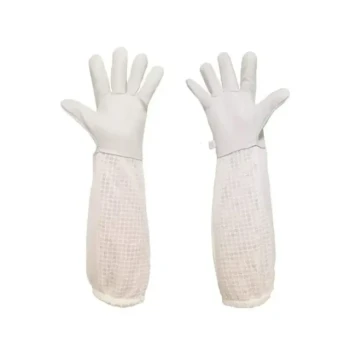
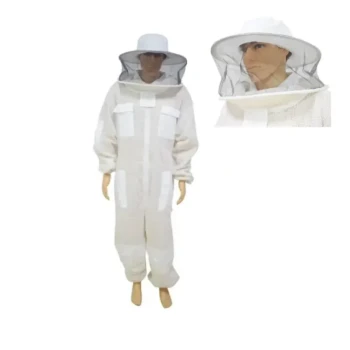
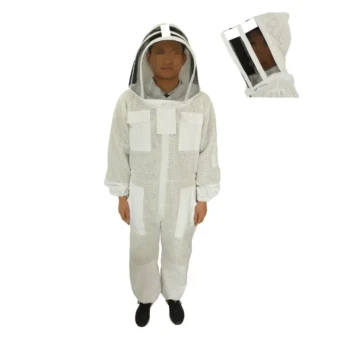
| Protection | Specialized PPE | Shields researchers from biological hazards like aggressive ants. |
| Collection | Insect Aspirators | Ensures morphological integrity of specimens for taxonomy. |
| Sampling | High-flexibility Nets | Captures fast-flying adults without damaging wings or bodies. |
Elevate Your Apiary Operations with HONESTBEE
At HONESTBEE, we understand that whether you are conducting scientific field research or managing a commercial enterprise, the right equipment is non-negotiable. We cater specifically to commercial apiaries and distributors with a comprehensive wholesale offering. Our portfolio spans the full spectrum of industry needs: from specialized hardware like hive-making and honey-filling machines to essential consumables and honey-themed cultural merchandise.
Partner with us to access professional-grade beekeeping tools and machinery designed for durability and precision.
Contact HONESTBEE today to discuss your wholesale requirements and let us help you build a more efficient and productive operation!
References
- Yuran Li, Richard T. Corlett. Species diversity, morphometrics, and nesting biology of Chinese stingless bees (Hymenoptera, Apidae, Meliponini). DOI: 10.1007/s13592-021-00899-x
This article is also based on technical information from HonestBee Knowledge Base .
Related Products
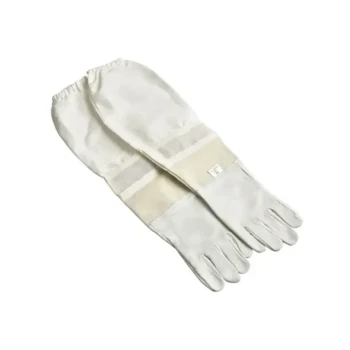
- Goatskin Leather Beekeeper Gloves with Vent Long Sleeve for Beekeeping Honey Bee Sting Proof Protection
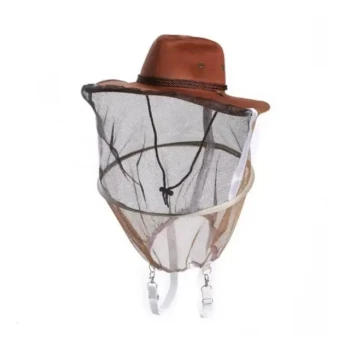
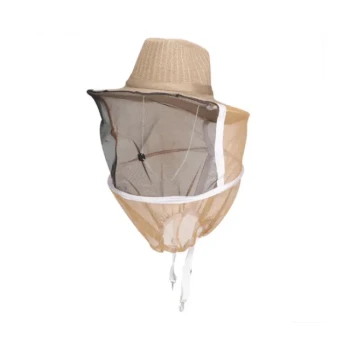
- Premium Cowboy Beekeeper Hat with Visibility Veil Outdoor Professional Beekeeping Protective Gear
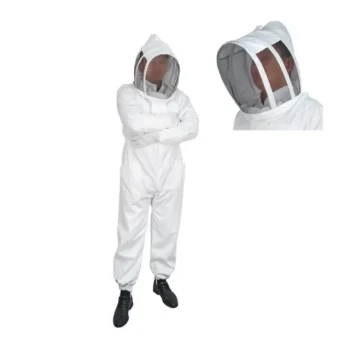
- White Cotton Beekeeping Jacket and Veil for Bee Keepers
- Beekeeping Jacket with Hood and Veil for Beekeepers
- Beekeeping Gloves Goatskin Leather with Long Cotton Sleeve for Beekeepers
People Also Ask
- What are the characteristics of goatskin beekeeping gloves? Enhance Dexterity and Protection in Your Apiary
- Why is it important to have gloves available even if not always worn? Essential Risk Management for Beekeepers
- What are the primary purposes of using beekeeping gloves? Protect Your Hands and Ensure Apiary Hygiene
- Why do some experienced beekeepers opt not to wear gloves? Discover the Benefits of Tactile Precision
- Why is it important for beekeepers to wear gloves? Essential Safety and Confidence for Hive Management