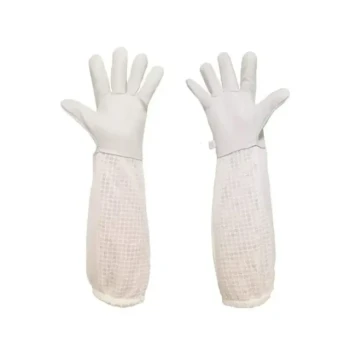
Specialized isolation and protective equipment are the fundamental barriers between successful colony management and biological chaos. These tools are strictly necessary to prevent resource competition between species, allow for precise population control, and ensure the physical safety of the beekeeper, without which accurate management protocols cannot be executed.
Managing high-density apiaries involves more than just husbandry; it demands engineered physical controls. Specialized equipment serves as the essential infrastructure to separate competing populations, secure genetic lines, and protect the human operators required to maintain the system.
Controlling Biological Competition
In high-density environments, the natural drive for resources can lead to aggression and collapse. Isolation equipment provides the structural control necessary to mitigate these risks.
Preventing Interspecies Conflict
Highly efficient commercial pollinators can exert immense pressure on native populations or weaker colonies. Specialized isolation equipment and entrance control systems physically prevent direct contact between these groups. This segregation is vital to stop stronger colonies from robbing resources from weaker ones or out-competing native species in a shared environment.
Precise Resource Allocation
When populations are dense, distributing food and supplements evenly is a significant challenge. Isolation tools allow beekeepers to engage in precise resource allocation. By controlling access, managers ensure that specific colonies receive the nutrition they need without triggering a feeding frenzy or competition from neighboring hives.
Overcoming Genetic Uncertainty
Beyond immediate physical competition, high-density management often involves breeding programs. Here, isolation equipment transforms from a physical barrier into a genetic safeguard.
Countering Natural Mating Habits
Honeybees exhibit multi-paternal and spatial flight mating, meaning queens mate with multiple males mid-air. This makes traditional pedigree tracking nearly impossible in an open apiary. Specialized queen rearing equipment creates a controlled environment that isolates the queen from random drones.
Enabling Elite Trait Selection
To manage populations effectively, breeders need queens with specific, elite traits. Isolation gear facilitates cultivation within controlled environments. This helps breeders bypass the uncertainties of natural mating, allowing for the precise selection and large-scale supply of high-quality queens necessary for commercial operations.
Operational Safety and Logistics
The human element is the final critical variable. Managing competitive populations requires precision, which is impossible without adequate protection and logistical support.
Facilitating Accurate Protocols
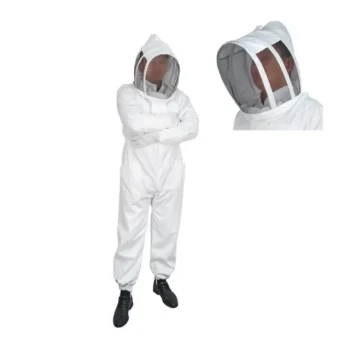
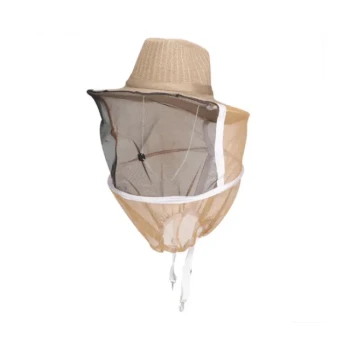
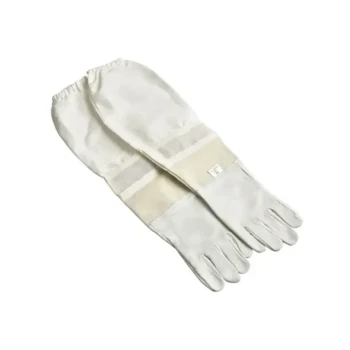
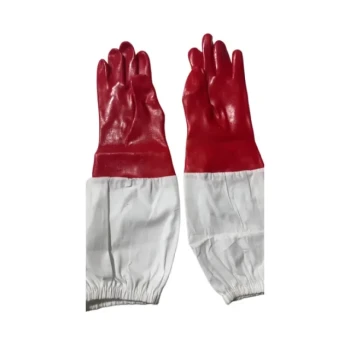
Handling high-density, competitive colonies carries a significant risk of injury. Professional protective gear is not just for comfort; it is an operational necessity. It ensures beekeepers can remain calm and focused, executing complex management protocols accurately without the distraction or danger of defensive bee behavior.
Ensuring Survival During Transport
Managing global populations often requires moving bees between breeding centers and apiaries. Specialized cages and package equipment provide controlled temperature and ventilation. This isolation during transit is essential for maintaining high survival rates over long distances, ensuring that replacement colonies arrive healthy and viable.
Understanding the Trade-offs
While necessary, the use of specialized equipment introduces its own set of challenges that managers must anticipate.
Increased Operational Complexity
Moving from natural hive management to a system involving isolation and entrance controls significantly increases the labor and technical knowledge required. Each piece of equipment requires maintenance, monitoring, and proper deployment to function correctly.
The Risk of Over-Reliance
Dependence on isolation equipment can mask underlying issues in colony health. If a colony requires strict isolation to survive, it may lack natural vigor. Managers must ensure that equipment supports biological resilience rather than compensating for weak genetics.
Making the Right Choice for Your Goal
To select the appropriate equipment strategy, identify your primary operational objective:
- If your primary focus is Commercial Pollination: Prioritize entrance control systems and heavy-duty protective gear to manage resource competition and ensure staff safety during high-volume work.
- If your primary focus is Genetic Breeding: Invest in laboratory consumables and controlled rearing environments to isolate queens and ensure pedigree accuracy.
- If your primary focus is Logistics and Distribution: Focus on specialized cages and climate-controlled packaging to maximize survival rates during long-distance transit.
Success in high-density beekeeping is not about subduing nature, but providing the structured environment required for it to thrive safely.
Summary Table:
| Equipment Category | Primary Function | Core Benefit |
|---|---|---|
| Isolation Systems | Segregates colonies & entrance control | Prevents robbing and interspecies conflict |
| Queen Rearing Gear | Controlled mating environments | Ensures pedigree accuracy and elite trait selection |
| Protective Apparel | Human safety barriers | Enables precise execution of management protocols |
| Specialized Cages | Climate-controlled transit | Maximizes survival rates during long-distance logistics |
Elevate Your Apiary Operations with HONESTBEE
Managing high-density commercial apiaries requires more than just skill—it requires industrial-grade reliability. HONESTBEE empowers commercial beekeepers and global distributors with a comprehensive suite of professional solutions.
From advanced hive-making and honey-filling machinery to high-durability protective gear and specialized hardware, our portfolio is designed to enhance your operational efficiency and biological safety. Whether you are scaling a pollination business or securing genetic lines, we provide the tools, machinery, and essential consumables you need to succeed at scale.
Ready to optimize your production?
Contact HONESTBEE Today to discuss our wholesale offerings and customized equipment solutions.
References
- Fernanda S. Valdovinos, Neo D. Martinez. Species traits and network structure predict the success and impacts of pollinator invasions. DOI: 10.1038/s41467-018-04593-y
This article is also based on technical information from HonestBee Knowledge Base .
Related Products
- Premium Cowboy Beekeeper Hat with Visibility Veil Outdoor Professional Beekeeping Protective Gear
- Premium Cotton Beekeeper Suit with Reinforced Fencing Veil
- White Cotton Beekeeping Jacket and Veil for Bee Keepers
- Beekeeping Gloves Goatskin Leather with Long Cotton Sleeve for Beekeepers
- Beekeeping Jacket with Hood and Veil for Beekeepers
People Also Ask
- What design features contribute to the stability and fit of the beekeeper hat? Key Features for Maximum Hive Safety
- How is the beekeeper hat designed for comfort and practicality? Explore Key Features for Enhanced Apiary Safety
- What is the general protective gear recommendation for new beekeepers? Your Essential Beginner's Safety Guide
- How does beekeeping protective gear facilitate the queen bee selection process? Enhancing Precision in Queen Breeding
- What should beekeepers consider when choosing protective gear? A Guide for Maximum Safety & Comfort