Specialized samplers and collection tools are essential for large-scale field studies because they allow researchers to obtain representative biological samples while strictly preserving the physical and chemical state of the specimens. Without these specific instruments, the integrity of the sample is compromised before it even reaches the laboratory, rendering subsequent data on pesticide accumulation unreliable.
Field studies rely on the premise that the collected sample perfectly reflects the environmental reality. Specialized tools are the only way to ensure that samples—whether individual bees or honeycomb sections—maintain their chemical composition and structural consistency for accurate quantitative analysis.
Preserving Sample Integrity for Chemical Analysis
Maintaining Chemical States
The primary reason for using specialized tools is to prevent the degradation of the sample's chemical state. In studies assessing neonicotinoid pesticides, the chemical markers can be volatile or sensitive.
Rough handling or improper collection methods can alter these markers. Specialized tools ensure the sample remains chemically stable from the field to the lab.
Targeting Specific Functional Groups
Accurate analysis requires distinguishing between different types of bees, such as foragers versus worker bees. These groups interact with the environment differently.
Specialized collection methods allow researchers to isolate these specific functional groups. This precision is vital for understanding how pesticides impact different demographics within the colony.
Ensuring Standardization and Consistency
Reducing Physical Errors
In quantitative analysis, the volume and mass of the sample matrix must be highly consistent. Standardized high-precision cutting tools are used to extract samples of a fixed size, such as 5 cm x 5 cm sections of honeycomb.
This eliminates the variability found in manual or ad-hoc sampling methods. It significantly reduces physical errors during the collection process.
Providing a Reliable Mass Base
Laboratory equipment requires a reliable initial mass base to perform multi-residue pesticide analysis.
By using standardized cutters to ensure consistent sample volume, researchers guarantee that the data generated is comparable across different hives and study sites.
Minimizing Colony Disruption
Gentle Extraction
Field studies must often continue over long periods, requiring the colony to remain viable. Tools like bee brushes made from soft materials allow researchers to sweep bees off frames without causing physical injury.
This ensures that the act of sampling does not introduce trauma variables that could skew the study results regarding colony health.
Precision Hive Management
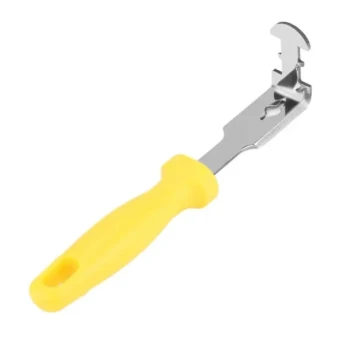
To access samples, researchers must navigate the hive's natural defenses. Specialized hive tools are designed to pry apart frames bonded by propolis and clear burr comb.
These tools allow for the organized, precise manipulation of the hive structure. This minimizes the overall impact on the colony while ensuring necessary samples are reached.
Understanding the Trade-offs
Invasiveness vs. Data Quality
While standardized cutting tools provide the highest quality data for residue analysis, they are inherently destructive. Removing 5 cm x 5 cm sections of comb forces the colony to expend energy rebuilding structure.
Operational Speed vs. Sample Precision
Using specialized tools requires more time and training than rough sampling methods. However, this investment of time is a necessary trade-off to ensure the representativeness of the data, which is non-negotiable in scientific field studies.
Making the Right Choice for Your Study
Selecting the correct tooling depends heavily on the specific endpoints of your research.
- If your primary focus is quantitative pesticide analysis: Prioritize standardized cutting tools to ensure consistent mass and volume for the analysis matrix.
- If your primary focus is colony health monitoring: Prioritize soft bee brushes and precision hive tools to minimize physical injury and structural disruption to the hive.
- If your primary focus is comparative toxicology: Ensure your tools are capable of isolating distinct functional groups (e.g., foragers vs. workers) to accurately assess exposure risks.
Data is only as good as the method used to collect it; precision in the field guarantees accuracy in the lab.
Summary Table:
| Tool Type | Primary Function | Research Benefit |
|---|---|---|
| Standardized Cutters | Extracts fixed 5cm x 5cm comb sections | Eliminates physical errors; provides a reliable mass base for analysis. |
| Soft Bee Brushes | Sweeps bees gently from frames | Minimizes physical injury and trauma variables to preserve colony health. |
| Precision Hive Tools | Pries frames and clears burr comb | Allows organized hive manipulation with minimal structural disruption. |
| Functional Isolators | Separates foragers from worker bees | Enables accurate assessment of pesticide impacts on specific demographics. |
Scale Your Success with HONESTBEE Precision Equipment
At HONESTBEE, we provide commercial apiaries and distributors with the high-precision tools necessary for both field research and industrial production. We offer a comprehensive wholesale portfolio, including the full spectrum of beekeeping tools, essential industry consumables, and specialized hardware like hive-making and honey-filling machines.
Whether you are conducting large-scale studies or managing a commercial honey operation, our equipment ensures the accuracy and efficiency you need. Contact us today to explore our wholesale offering and discover how HONESTBEE can empower your business with industry-leading technology.
References
- Bogusław Buszewski, Irena Staneczko-Baranowska. A holistic study of neonicotinoids neuroactive insecticides—properties, applications, occurrence, and analysis. DOI: 10.1007/s11356-019-06114-w
This article is also based on technical information from HonestBee Knowledge Base .
Related Products
- HONESTBEE Adjustable Voltage Wire Embedder with Digital Display
- 30 cm Plastic Entrance Hole Bee Pollen Trap and Collector
- Stainless Steel Honey Bee Smoker Hive and Honeycomb Smoker for Beekeeping
- Miniature Stainless Steel Bee Smoker for Beekeeping
- Heavy-Duty Bee Smoker with Durable Plastic Bellows for Beekeeping
People Also Ask
- How can combs be further strengthened? Embed Wires for Durable, High-Yield Hives
- What is an embedder in beekeeping? Essential Tool for Strengthening Wax Foundation & Hive Frames
- Why record environmental factors for Varroa tolerance? Separate Genetics from Climate to Identify Resilient Bee Colonies
- Why must honeybee colonies be selected based on specific breed standards for nutritional studies? Key to Data Integrity
- Why replace honeybee populations during invasive predation? Maintain Apiary Stability & Maximize Honey Yields