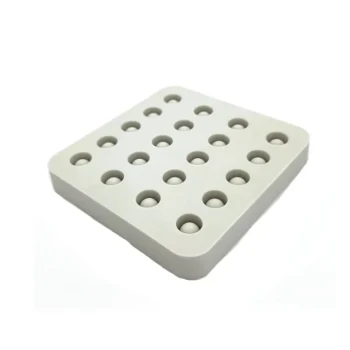
Specialized wax cell cups are used primarily to mimic the natural geometry and material of a queen cell base. By replicating the physical structure found in colonies during swarming or supersedure, these cups act as a biological trigger for the colony. They induce nurse bees to accept the artificially grafted worker larvae and immediately trigger the secretion of royal jelly, which is the catalyst for transforming a worker larva into a queen.
The core function of a wax cell cup is to serve as a deceptive "biological interface." It simulates the natural hive environment so convincingly that nurse bees instinctively switch their behavior from worker-rearing to queen-rearing, enabling the standardized, mass production of superior genetics.
The Principle of Biological Mimicry
The success of the grafting method relies entirely on the hive's acceptance of the introduced larvae. The wax cup is the tool that bridges the gap between artificial manipulation and natural instinct.
Replicating Natural Architecture
In a natural setting, honeybees build specific cell bases when they prepare to swarm or replace an existing queen (supersedure). The specialized wax cup effectively copies this natural queen cell base.
When a larva is placed inside this cup, the colony recognizes the structure as a legitimate site for queen development.
Chemical Consistency and Acceptance
Beyond simple geometry, the material itself plays a vital role. High-quality cups made of beeswax possess chemical properties consistent with the hive's internal environment.
This chemical familiarity reduces the likelihood of the bees rejecting the foreign object. It ensures the nurse bees view the cup as part of the colony, leading to a higher acceptance rate of the grafted larvae inside.
Triggering Royal Jelly Secretion
The ultimate goal of the wax cup is to stimulate nutrition. Once the nurse bees accept the cup and the larva within it, they are induced to provide specialized nursing.
They concentrate the secretion of royal jelly into the cup. This massive nutritional boost is what physically alters the development of the larva, ensuring the resulting queen has high physiological quality and superior egg-laying capacity.
Enabling Scalability and Standardization
While the biological trigger is the immediate function, the strategic value of wax cups lies in how they transform queen rearing from a chaotic natural event into a controlled industrial process.
Modular Management
Wax cups function as standardized hardware consumables. They are designed to fit onto specialized grafting frames, allowing beekeepers to manage dozens of queen cells simultaneously.
This modularity transforms the hive into a production unit. Instead of searching for random queen cells scattered across combs, a technician can manage a precise number of developing queens in a fixed, efficient interface.
Genetic Control and Stability
By using these cups as artificial substrates, breeders can select larvae from specific superior maternal lines.
The cups allow for the precise transfer of age-appropriate larvae from a breeder colony to a nursing colony. This ensures that the favorable genetic traits of the breeder queen are preserved and propagated across the apiary.
Understanding the Trade-offs
While wax cell cups are the standard for efficient queen rearing, they introduce specific variables that must be managed to ensure success.
Sensitivity to Material Quality
Not all wax cups are created equal. The quality of the material directly influences acceptance rates. If the wax contains impurities or foreign chemical signatures, the nurse bees may clean out or destroy the grafted larvae regardless of the cup's shape.
The Human Element
The cup provides the environment, but it cannot prevent physical damage during the transfer. The use of these cups requires precision grafting skills. Even with a perfect substrate, if the larva is damaged during the transfer into the cup, the biological trigger will fail, and the bees will remove the larva.
Making the Right Choice for Your Goal
To utilize wax cell cups effectively in your grafting program, align your approach with your specific production targets:
- If your primary focus is maximizing acceptance rates: Prioritize cups made from high-purity beeswax that closely matches the chemical profile of your specific colony's comb.
- If your primary focus is large-scale production: Invest in standardized cups that integrate seamlessly with modular grafting frames to streamline the workflow and reduce handling time.
By treating the wax cell cup not just as a container, but as a precise biological key that unlocks the colony's rearing instincts, you ensure a consistent supply of vigorous, high-quality queens.
Summary Table:
| Feature | Benefit for Queen Rearing |
|---|---|
| Biological Mimicry | Replicates natural queen cell bases to trigger nurse bee acceptance. |
| Material Consistency | High-purity beeswax reduces rejection rates by matching hive chemistry. |
| Modular Design | Standardized hardware allows for high-volume, organized queen production. |
| Genetic Precision | Enables selective breeding by facilitating easy transfer of superior larvae. |
| Nutritional Trigger | Induces immediate royal jelly secretion for high-quality queen development. |
Elevate Your Queen Rearing Operation with HONESTBEE
Maximize your apiary's productivity and genetic quality with professional-grade equipment from HONESTBEE. As a premier partner for commercial apiaries and distributors, we provide a complete ecosystem of tools designed for precision and scale.
From high-purity wax cell cups that ensure maximum acceptance rates to advanced hive-making and honey-filling machinery, our comprehensive wholesale offering covers all your industrial needs. Whether you are looking for specialized hardware or honey-themed cultural merchandise to expand your brand, we deliver the quality and reliability your business deserves.
Ready to scale your production? Contact us today to explore our full spectrum of beekeeping solutions and discover how HONESTBEE can drive value to your operation.
References
- Ibrahim M. El–Metwally, R. Tagour. SOME FACTORS AFFECTING SUCCESSFUL APIS MELLIFERA QUEEN REARING IN SOHAG. DOI: 10.21608/ajs.2010.15003
This article is also based on technical information from HonestBee Knowledge Base .
Related Products
- High-Efficiency 20-Cell Silicone Mold for Beeswax Bee Queen Cup Production
- Clear Black Plain Polystyrene Queen Bee Grafting Cell Cups No Lug for Bee Queen Cup
- JZBZ Type Wide Base Plastic Queen Cell Cups for Base Mounting and Queen Rearing
- Brown Nicot Queen Cell Cups for Breeding Queen Bees Beekeeping
- JZBZ Push-In Queen Cell Cups for Beekeeping
People Also Ask
- What is the first tip for pouring beeswax into a silicone mold? Ensure a Perfect Release
- What are the technical advantages of using precision silicone molds for the manufacturing of beeswax queen cups? - Scale
- How do beeswax queen cell cups function? Optimize Queen Rearing with Biological Mimicry
- What is the biological function of beeswax queen cell cups? Boost Acceptance in Artificial Queen Rearing
- What are the advantages of using tapered wooden dowels for queen cups? Boost Rearing Consistency & Acceptance