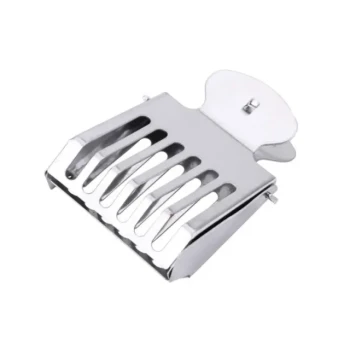
Specialized wooden rounding rods are precise molding instruments used to create the physical foundation of artificial queen bee cells. By dipping these rods into molten beeswax, beekeepers fabricate cell cups with exacting internal diameters—specifically between 0.7cm and 0.85cm—to control the depth and width of the rearing environment.
The primary function of these rods is to manufacture wax cups that perfectly mimic natural queen cells. By replicating specific geometric dimensions, beekeepers trick worker bees into accepting and nurturing the grafted larvae, thereby significantly increasing the success rate of the rearing process.
The Mechanics of the Rounding Rod
Precision Molding via Dipping
The wooden rod acts as a positive mold for creating queen cups. The beekeeper dips the tip of the rod into molten beeswax, allowing the wax to cool and harden around the wood.
Controlling Internal Geometry
The specific diameter of the rod, ranging from 0.7cm to 0.85cm, is critical. This dimension dictates the internal width of the resulting wax cup, ensuring it is neither too cramped nor too spacious for the developing queen.
Regulating Cup Depth
In addition to diameter, the rod helps standardize the depth of the cell. This consistency ensures that every larva is placed in an identical environment, reducing variables in the development process.
The Biological Impact
Simulating Nature to Fool the Hive
Worker bees have distinct preferences for the specifications of a queen cell. If an artificial cell deviates too far from natural dimensions, the workers may sense it as foreign and reject the larva inside.
Improving Larval Acceptance
The ultimate goal of using these sized rods is to improve the "acceptance rate" after grafting. When the physical dimensions align with the colony's natural instincts, nurse bees are more likely to provision the cell with royal jelly.
Facilitating Proper Growth
By mimicking the natural queen rearing environment, the molded cups provide the correct volume for development. This ensures the larva has sufficient physical space to grow and float on the bed of royal jelly provided by the workers.
Distinguishing Tools: A Common Confusion
Molding vs. Structural Support
It is vital to distinguish between rounding rods and wooden bars. Rounding rods are tools used solely to shape the wax cups outside the hive.
The Role of Wooden Bars
In contrast, wooden bars are structural components attached to the grafting frame. They hold the finished cups in place inside the hive, providing stability and spacing so bees can build reinforcement wax around the cells.
Making the Right Choice for Your Goal
To effectively utilize these tools in your apiary, consider your specific objectives:
- If your primary focus is high-volume production: Adhere strictly to the standard 0.7cm–0.85cm diameter range to maximize the consistency of worker bee acceptance across hundreds of grafts.
- If your primary focus is experimental breeding: Use rods with slight diameter variations to determine if your specific bee genetics prefer a unique cell geometry for optimal acceptance.
Precision in the initial molding stage establishes the biological trust required for a successful queen rearing cycle.
Summary Table:
| Feature | Specification | Role in Queen Rearing |
|---|---|---|
| Standard Diameter | 0.7cm – 0.85cm | Dictates internal width to mimic natural cells |
| Tool Material | Specialized Wood | Provides ideal surface for beeswax dipping/molding |
| Primary Function | Precision Molding | Ensures uniform depth and geometry of wax cups |
| Critical Metric | Acceptance Rate | High precision reduces worker bee rejection |
| Usage Phase | Pre-Grafting | Creating the foundation before larval transfer |
Elevate Your Queen Rearing Operations with HONESTBEE
Precision is the heartbeat of a successful commercial apiary. At HONESTBEE, we specialize in supporting commercial beekeepers and distributors by providing professional-grade tools that ensure biological consistency. From precision-machined wooden rounding rods and specialized hive-making machinery to high-efficiency honey-filling equipment, our comprehensive wholesale portfolio is designed to scale your production.
Whether you are expanding your queen-rearing program or stocking essential industry consumables, our expertise in beekeeping hardware and honey-themed cultural merchandise adds unparalleled value to your supply chain.
Ready to optimize your apiary’s performance?
Contact HONESTBEE Today for Wholesale Solutions
References
- Fazlah Wahid, Siva Nand Singh. Different artificial methods for rearing queen of Apis mellifera. DOI: 10.22271/j.ento.2023.v11.i4a.9214
This article is also based on technical information from HonestBee Knowledge Base .
Related Products
- Professional Wooden Requeening Frame for Beekeeping
- Premium Wood Framed Metal Wire Queen Bee Excluder
- Classic Wooden and Mesh California Queen Cage
- JZBZ Langstroth Queen Rearing Frame for Beekeeping
- Wood and Mesh Push-In Queen Cage
People Also Ask
- What are the primary functions of beekeeping frames? Boost Efficiency with Professional Hive Management
- What are the best practices for assembling beekeeping frames? Pro Tips for Maximum Durability & Efficiency
- How are deep, medium, and shallow frames typically used in beekeeping? Optimize Your Hive Setup
- What are the characteristics of wooden frames in beekeeping? Unlock Natural Flexibility & Cost-Effectiveness
- What are the common specifications for wooden beekeeping frames used in colony expansion? Your Complete Guide