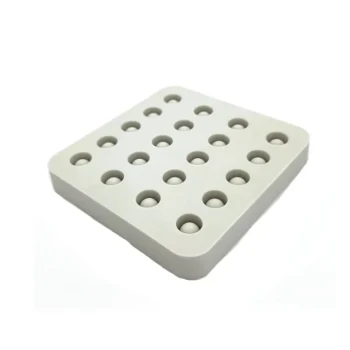
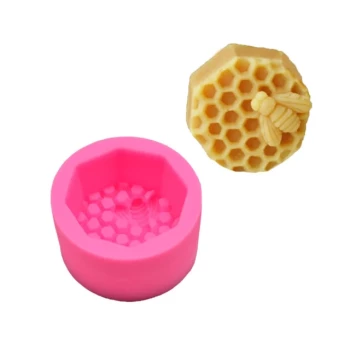
Specific wax foundation molds and beeswax foundations are primarily employed as a structural defense strategy against parasites. By intentionally restricting the dimensions of the brood cells, beekeepers impose a physical constraint on the hive environment. This architectural modification is designed to enhance the colony's natural resistance by limiting the reproductive capabilities of Varroa mites.
Core Insight: Utilizing foundations to downsize cell dimensions is a method of mechanical pest inhibition. By simulating the tighter architecture of wild nests, beekeepers aim to shorten larval development time and physically constrict the breeding window for Varroa mites.
Enhancing Natural Resistance Through Architecture
Mechanical Inhibition of Parasites
The primary driver for using specific downsizing molds is to create a hardware foundation that acts as a physical barrier to pests.
By reducing the dimensions of the larval chambers, the infrastructure limits the physical space available for Varroa mites. This restricts their ability to reproduce and develop effectively within the capped brood cells.
Simulating Wild Nest Conditions
Beekeepers use small cell foundations, typically measuring 5.1 mm or smaller, to replicate the natural structure of wild honeybee nests.
Standard commercial foundations often encourage larger bees, whereas these specific molds force the colony to revert to the tighter physical dimensions found in nature.
Shortening the Development Window
The theoretical advantage of smaller brooding spaces is the acceleration of honeybee larval development.
A shorter development cycle narrows the reproduction window for parasites. If the bee emerges sooner, the Varroa mite has less time to lay eggs, effectively reducing the parasite population growth per cycle.
Operational and Metabolic Advantages
Conserving Colony Energy
Beyond pest management, high-purity beeswax foundations serve a critical metabolic function.
They provide a pre-fabricated base, saving the colony the immense energy and time required to secrete wax from scratch. This allows the bees to redirect their efforts toward foraging and honey production.
Standardization for Industry
Foundations provide necessary guidance to ensure straight, uniform comb construction.
This structural alignment is essential for modern apiary management, specifically ensuring that frames fit and operate efficiently within industrial honey extraction machinery.
Understanding the Strategic Approach
The Trade-off: Biological Defense vs. Convention
Adopting small-cell foundations represents a shift from conventional beekeeping to a "natural" biological defense strategy.
While standard foundations prioritize ease of acceptance and large bee size, downsizing foundations prioritize long-term colony resilience. The goal is not just structure, but the active manipulation of the hive's lifecycle to mechanically inhibit pest expansion.
Making the Right Choice for Your Goal
When selecting foundation molds for your apiary, your choice depends on whether your priority is immediate production or biological resilience.
- If your primary focus is Pest Management: Implement small cell foundations (5.1 mm) to mechanically inhibit Varroa mite reproduction cycles through physical constraints.
- If your primary focus is Production Efficiency: Utilize high-purity foundation sheets to minimize wax secretion energy costs and ensure compatibility with extraction equipment.
By controlling the geometry of the cell, you actively engineer the biological timeline of the hive.
Summary Table:
| Feature | Small Cell Foundations (≤5.1mm) | Standard Foundations (>5.1mm) |
|---|---|---|
| Primary Goal | Mechanical Pest Inhibition | Production & Bee Size |
| Biological Effect | Shortens Larval Development | Standard Development Cycle |
| Varroa Defense | High (Restricts Breeding Space) | Low (Focus on Conventional Growth) |
| Energy Saving | High (Pre-fabricated wax base) | High (Pre-fabricated wax base) |
| Compatibility | Standard Frames/Machinery | Standard Frames/Machinery |
Elevate Your Apiary Resilience with HONESTBEE
At HONESTBEE, we specialize in empowering commercial apiaries and distributors with the high-precision tools needed for advanced hive management. Whether you are looking to implement mechanical pest inhibition through specific wax foundation molds or seeking to optimize production with industrial honey-filling and hive-making machinery, we provide the comprehensive wholesale solutions your business requires.
Our extensive portfolio covers everything from high-purity beeswax consumables to specialized hardware designed for large-scale operations. Partner with us to bring superior durability and scientific design to your customers and colonies.
Ready to scale your beekeeping operations? Contact us today to explore our wholesale catalog and expert equipment solutions!
References
- S.A. Adebayo, S. O. Adewale. Mathematical Analysis of Eco-System Stability of Honeybee Colony Infected by Virus. DOI: 10.51584/ijrias.2022.7102
This article is also based on technical information from HonestBee Knowledge Base .
Related Products
- Notebook Style Beeswax Foundation Mould Wax Foundation Mold
- Colorful Silicone Beeswax Foundation Mold Mould for Beekeeping
- Beeswax Machine Press Embosser Wax Foundation Mold Printer Bee Hive Equipment Making Sheet
- Manual Beeswax Comb Foundation Machine Wax Foundation Mill Embossing Machine
- Economy Manual Beeswax Embossing Mill Wax Foundation Machine Roller
People Also Ask
- How do beeswax foundation molds facilitate the construction of standardized honeycombs? Optimize Your Apiary Efficiency
- How do you use the Foundation Mold to create beeswax foundation? Master DIY Beekeeping with Precision
- How can beeswax value-addition processes be utilized to increase beekeeping revenue? Boost Your Apiary Profitability
- Why is high-purity natural beeswax essential for foundations? Prevent Larval Mortality & Boost Colony Health
- What are the specific advantages of regular comb replacement? Boost Hive Health with New Beeswax Foundations