Processing wild honey requires mechanical squeezing and multi-layer filtration because the honeycomb structures of wild species, such as Apis dorsata, are generally incompatible with standard centrifugal extractors found in commercial apiaries. This specific extraction method is necessary to physically release the honey, while the subsequent filtration is critical to remove the significant volume of organic debris—such as soil, beeswax, and bee remains—inevitably introduced during the squeezing and harvesting process.
Core Insight: Unlike domesticated honey harvesting where frames are spun, wild honey extraction is a destructive physical process. Squeezing creates a mixture of liquid and solids that mandates a rigorous, multi-stage filtration strategy to ensure the final product is safe, stable, and visually acceptable.
The Physical Necessity of Squeezing
Incompatibility with Standard Equipment
Standard honey extraction relies on centrifugal force to spin liquid honey out of reusable wooden frames. Wild honeycombs, particularly from species like Apis dorsata or Apis florea, do not have this uniform frame structure.
Because these combs are often harvested as irregular masses or attached to tree branches, they cannot be placed into a centrifuge. Consequently, physical squeezing or pressing becomes the core method for extraction.
Managing High-Viscosity Variants
Honey from different wild nectar sources varies significantly in viscosity and density. Squeezing equipment applies the necessary physical pressure to extract thicker, more viscous honeys that gravity alone cannot separate from the comb.
The Critical Role of Multi-Layer Filtration
Intercepting Harvesting Debris
The squeezing process is effective at extraction but "messy" compared to spinning. It releases high levels of suspended impurities, including wax residue, pollen fragments, soil particles, and bee remains.
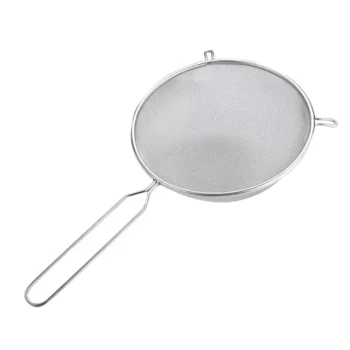
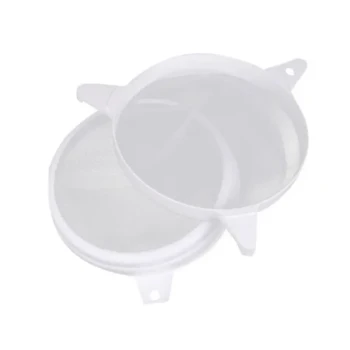
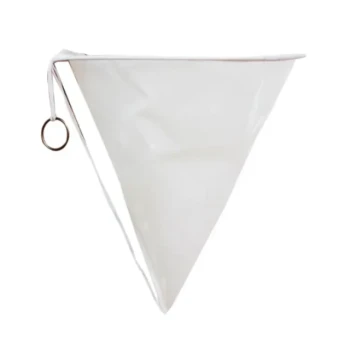
A multi-layer filtration system, utilizing fine mesh filter cloths, acts as a critical barrier. It effectively intercepts these contaminants, which are abundant in wild-harvested batches due to the nature of collection in open environments.
Preventing Fermentation and Spoilage
Wild honey, especially from Apis dorsata, is often highly hygroscopic (prone to absorbing moisture) and susceptible to fermentation. Organic impurities suspended in the honey can act as catalysts for spoilage.
By utilizing high-mesh fine filter cloths to remove these particles, producers significantly reduce the risk of fermentation during storage. This step is essential for stabilizing the product before it is moved to high-sealing storage containers.
Improving Sensory Quality
Consumer acceptance relies heavily on the visual clarity of the product. Pressure-driven filtration separates the honey from clouding agents like wax and pollen.
This physical refining process enhances the transparency and purity of the honey, ensuring it meets market expectations without requiring chemical additives.
Understanding the Trade-offs
Filtration Precision vs. Nutritional Retention
A common pitfall in processing wild honey is over-filtration. While removing soil and bee parts is necessary, aggressive filtration can sometimes strip beneficial pollen.
However, modern pressure-driven filtration systems are designed to balance this. They target specific pore sizes to remove waste particles while maximizing the retention of natural active ingredients and nutritional components.
Processing Speed vs. Purity
Squeezing and multi-layer filtration is inherently slower than centrifugal extraction. It is a batch-oriented process rather than a continuous flow.
Attempts to rush this stage by increasing pressure or reducing filtration layers often result in contaminated honey that fails hygiene standards. The trade-off for high purity in wild honey is a more time-intensive pre-treatment phase.
Making the Right Choice for Your Goal
When designing a processing line for wild honey, your equipment calibration should reflect your end-product goals:
- If your primary focus is maximum shelf stability: Prioritize finer mesh filtration and moisture control to remove all organic catalysts that could trigger fermentation in hygroscopic wild honey.
- If your primary focus is nutritional marketing: Use a filtration media with a pore size specifically calculated to catch beeswax and soil while allowing microscopic pollen and active ingredients to pass through.
- If your primary focus is food safety compliance: Implement integrated fine filtration systems that allow for batch management, ensuring any honey from polluted areas can be isolated and tested for heavy metals.
Success in the wild honey market depends on mastering the balance between rigorous mechanical cleaning and the preservation of the product's natural character.
Summary Table:
| Process Component | Primary Function | Why It Is Critical for Wild Honey |
|---|---|---|
| Mechanical Squeezing | Physical Extraction | Wild combs are irregular and cannot be used in centrifugal extractors. |
| Multi-layer Filtration | Contaminant Removal | Eliminates soil, wax, and bee remains introduced during the destructive harvest. |
| Fine Mesh Cloths | Stabilization | Reduces organic particles that act as catalysts for fermentation and spoilage. |
| Pressure-Driven Flow | Quality Refining | Enhances visual clarity and purity while maintaining specific nutritional components. |
Elevate Your Wild Honey Production with HONESTBEE
Processing wild honey like Apis dorsata presents unique challenges that standard equipment simply cannot meet. HONESTBEE specializes in providing commercial apiaries and distributors with the professional-grade tools needed to transform raw harvests into premium products.
From robust honey-squeezing machinery and precision multi-layer filtration systems to honey-filling machines and specialized hive-making hardware, we supply the full spectrum of equipment and consumables required for success. Whether you are scaling a wholesale operation or sourcing essential tools for niche wild honey markets, our expertise ensures you maximize purity without sacrificing nutritional value.
Ready to optimize your processing line?
Contact us today to explore our comprehensive wholesale offerings!
References
- Misbhauddin Khan, M Balasubramanyam. Chemical Characteristics of Honey of Indigenous Giant Bee Apis Dorsata F. and Hive Bee Apis Cerana Indica. DOI: 10.24214/jcbps.b.13.2.20109
This article is also based on technical information from HonestBee Knowledge Base .
Related Products
- Professional Stainless Steel Honey Filtering Machine with Water Bath Heating for Beekeeping
- Stainless Steel Double Layer Honey Strainer Sieve Filters
- Electric Double Wall Honey Filtering Machine Purifier Equipment for Honey Processing Plant
- Honey Concentrating and Filtering Dehumidifier Machine 2T Capacity for Honey
- Professional Honey Filter with Tripod Support Stand
People Also Ask
- Is it necessary to filter honey after extraction? A Guide to Straining vs. Raw Honey
- Why is filtering honey an important step in honey processing? Ensure Purity, Clarity & Marketability
- What is the best way to filter honey? A Guide to Quality, Clarity, and Raw Preservation
- Why do people filter honey? For Clarity, Stability, and Consumer Appeal
- What are the benefits of using honey filters? Achieve Purity, Efficiency, and Market Appeal