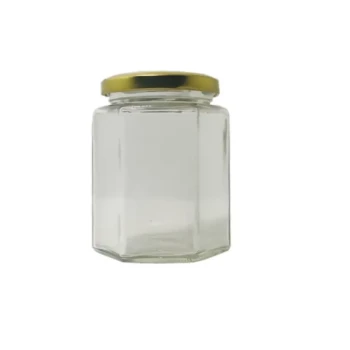
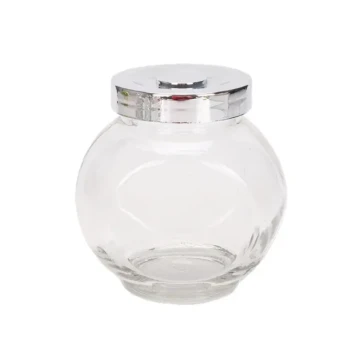
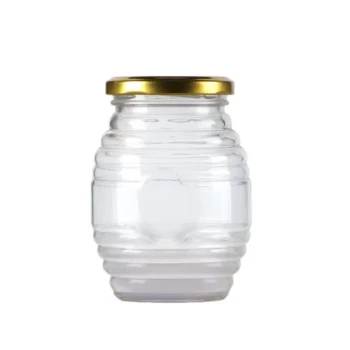
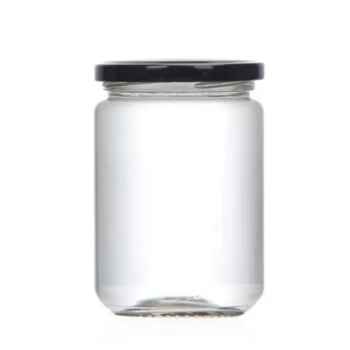
The requirement for sterile glass bottles in honey sampling is primarily driven by the need to prevent secondary contamination. By using a sterile container, you ensure that external microorganisms or impurities are not introduced to the sample, guaranteeing that subsequent measurements of physical and chemical parameters—specifically moisture content, hydroxymethylfurfural (HMF), and proline levels—accurately reflect the original quality of the honey.
Core Takeaway The use of sterile glass is not merely a hygiene standard; it is a critical control for data integrity. It isolates the honey from biological and environmental variables, ensuring that the analytical results represent the true chemical and microbial state of the sample at the time of collection.
Preserving Chemical and Physical Integrity
Maintaining Chemical Inertness
Honey is a naturally acidic substance. Glass is chemically inert, meaning it will not react with the honey's acidity or degrade over time.
This inertness prevents the migration of packaging materials into the sample. Unlike certain plastics, glass ensures that the honey’s original composition remains unaltered by the container itself.
Preventing Trace Contamination
Standard plastic packaging can sometimes introduce trace metal contamination. Clean glass bottles eliminate this variable, preserving the purity of the honey's original mineral profile.
This allows for the precise determination of the honey's geographical and botanical origin based on its unique mineral fingerprint.
Controlling Moisture and Fermentation
Honey is highly hygroscopic, meaning it actively absorbs moisture from the surrounding environment. Glass provides a superior barrier compared to permeable materials, blocking moisture ingress during transport and storage.
By maintaining the original moisture content, you prevent the honey from fermenting or spoiling. This effectively stabilizes the physicochemical indicators prior to laboratory analysis.
Ensuring Biological and Analytical Accuracy
Eliminating Microbial Interference
The primary purpose of sterilization is to remove all background microorganisms from the container. This ensures that biological assessments—such as total colony counts, molds, and yeast levels—reflect the sanitary status of the apiary, not a dirty bottle.
This distinction is vital for accurate antimicrobial testing. It ensures that the biological data collected is statistically valid and attributable solely to the honey.
Protecting Bioactive Components
Sterile, airtight storage slows down concentration changes caused by evaporation. This stability is required to preserve unstable bioactive components, such as glucose oxidase (GOX).
Facilitating Homogenization
In the laboratory pre-treatment phase, high-viscosity honey must be mixed with diluents. Glass containers provide the necessary structural integrity for uniform mixing and homogenization.
This ensures that microorganisms and chemical compounds are fully suspended, leading to improved detection sensitivity during testing.
Common Pitfalls to Avoid
The Risk of Non-Sterile Containers
Using non-sterile containers introduces "noise" to your data. If a sample shows high microbial activity, it becomes impossible to determine if the honey is spoiling or if the container was simply unclean.
The Problem of Improper Sealing
Even with a sterile glass bottle, a compromised seal renders the sample vulnerable. Air exchange allows for moisture fluctuation, which directly alters the percentage of solids and sugars, skewing quantitative analysis.
Making the Right Choice for Your Goal
Select your sampling protocol based on the specific parameters you intend to measure.
- If your primary focus is Microbial Safety: You must use sterile glass to ensure that yeast, mold, and total colony counts are not inflated by container contamination.
- If your primary focus is Chemical Profiling (HMF, Proline): You need the chemical inertness of glass to prevent reaction with the honey's acidity and to avoid leaching interfering compounds.
- If your primary focus is Origin Tracing: You rely on glass to prevent trace metal contamination that could distort the mineral profile used for classification.
Ultimately, the sterile glass bottle is a standardized instrument that locks in the scientific validity of your honey sample from the field to the lab.
Summary Table:
| Factor | Benefit of Sterile Glass | Impact on Honey Analysis |
|---|---|---|
| Chemical Inertness | No reaction with honey acidity | Prevents leaching and preserves original HMF/Proline levels |
| Biological Purity | Zero background microorganisms | Ensures accurate yeast, mold, and total colony counts |
| Moisture Barrier | Prevents hygroscopic absorption | Stops fermentation and stabilizes moisture content data |
| Mineral Profile | No trace metal migration | Guaranteed accuracy for geographical and botanical origin tracing |
| Structural Integrity | Supports uniform homogenization | Improves detection sensitivity during laboratory pre-treatment |
Elevate Your Beekeeping Standards with HONESTBEE
At HONESTBEE, we understand that precision in the lab begins with quality in the field. As a premier partner for commercial apiaries and distributors, we provide a comprehensive wholesale range of beekeeping tools, machinery, and essential consumables designed for professional-grade operations.
Whether you need specialized honey-filling machines to maintain product integrity or a full spectrum of hardware and beekeeping equipment, our portfolio is built to support your growth and efficiency.
Ready to scale your production and ensure the highest quality honey? Contact us today to explore our wholesale solutions and discover how HONESTBEE can deliver the tools and expertise your business deserves.
References
- Gülsüm YETKİN, Serdar Makbul. Melissopalynological and Physico-Chemical Properties of Cimil Plateau (Rize) Honey. DOI: 10.53501/rteufemud.1209594
This article is also based on technical information from HonestBee Knowledge Base .
Related Products
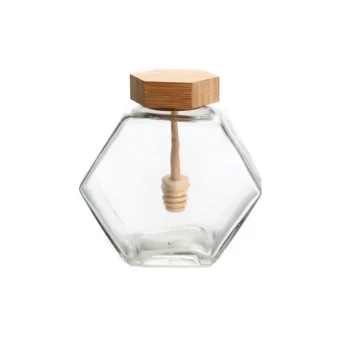
- Hexagonal Glass Honey Jars with Metal Lug Caps Elegant Versatile Packaging
- Classic Drum Shaped Glass Honey Jar with Airtight Lid
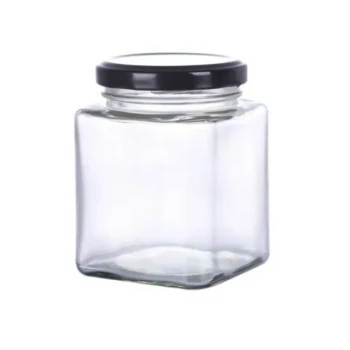
- Classic Glass Honey Jar with Metal Lug Cap for Beehive Storage
- Classic Round Glass Honey Jar with Lid
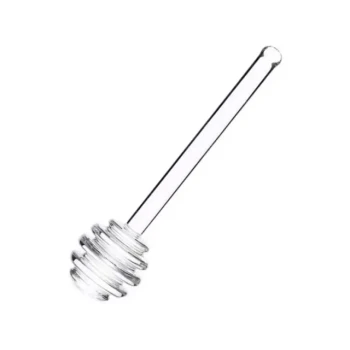
- Premium Heat-Resistant Glass Honey Dipper
People Also Ask
- What is the aesthetic appeal of using glass jars for honey? Elevate Your Brand with Premium Packaging
- What are the logistical challenges associated with using glass jars for honey packaging? Navigating Weight & Fragility
- What are the advantages of glass containers for honey? Elevate Quality and Market Value with Premium Packaging
- What are the technical advantages of using glass jars for honey? Master Commercial Packaging for Premium Purity
- What are the advantages of using glass jars for honey packaging? Preserve Purity & Elevate Your Brand