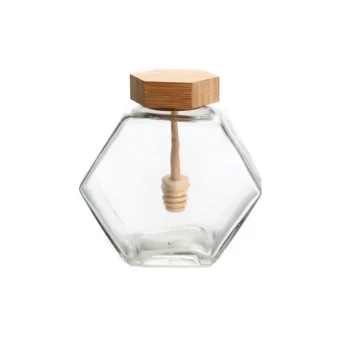
Sterilized High-Density Polyethylene (HDPE) bottles are the industry standard for honey collection because they provide a strictly controlled, chemically inert environment. These containers prevent adverse reactions between the bottle material and the organic acids naturally present in honey, while simultaneously acting as a barrier against external microbial contamination. Furthermore, their superior sealing capabilities maintain stable moisture levels and protect sensitive components, such as vitamins, from degradation caused by heat and light during transport.
Core Takeaway To ensure laboratory results reflect the true condition of the apiary, the transport container must be "invisible" to the sample. Sterilized HDPE bottles are used because they neutralize the three main threats to sample integrity: chemical leaching, biological contamination, and moisture fluctuation.
Preserving Chemical Composition
Inertness Against Organic Acids
Honey is naturally acidic. HDPE is chemically inert, meaning it effectively resists corrosion or degradation when in contact with these acids. This prevents the plastic material from reacting with the honey or leaching foreign compounds into the sample, ensuring that the chemical profile analyzed in the lab is authentic.
Protection of Sensitive Compounds
Honey contains delicate components, including various vitamins and bioactive compounds. HDPE offers protection against environmental stressors like light and heat, which can rapidly degrade these nutrients. By shielding the sample, the bottle ensures that the nutritional and chemical analysis remains accurate after transport.
Ensuring Biological Accuracy
Preventing Secondary Contamination
For microbial analysis to be valid, it must reflect the honey's original state, not the container's cleanliness. Sterilized bottles eliminate "secondary contamination"—the introduction of external bacteria or fungi. This is critical for obtaining accurate quantitative counts of total colonies, molds, and yeasts.
Inhibiting Fermentation and Spoilage
Effective sealing is vital for long-term storage (up to 18–22 months). HDPE bottles provide a hermetic seal that inhibits the growth of osmophilic yeasts. By preventing the ingress of external microbes and air, the container stops the honey from fermenting or spoiling before it can be analyzed.
Maintaining Physical Stability
Controlling Moisture Levels
Honey is hygroscopic, meaning it readily absorbs moisture from the air. HDPE possesses excellent barrier properties that lock the internal environment. This prevents moisture loss (drying out) or moisture gain (which dilutes the honey and encourages spoilage), ensuring the sample retains its original physical consistency.
Understanding the Trade-offs
While HDPE is the preferred material for most sampling scenarios, it is important to recognize its limitations compared to other materials like glass:
Visual Inspection Limitations
HDPE is typically opaque or translucent, rather than transparent. This limits immediate visual inspection of the sample for crystallization or physical debris without opening the container, which breaks the sterile seal.
Extreme Temperature Sensitivity
While HDPE protects against moderate heat, it does not possess the extreme thermal resistance of glass. Exposure to extremely high temperatures during transport or improper storage could potentially warp the seal or container, compromising the sample's integrity.
Making the Right Choice for Your Goal
When planning your sampling protocol, consider your primary analytical objective:
- If your primary focus is Microbial Analysis: Prioritize the sterility rating of the HDPE bottle to ensure colony counts reflect only the honey's natural flora.
- If your primary focus is Chemical Profiling: Rely on the inertness and light-blocking properties of HDPE to prevent the degradation of vitamins and reaction with organic acids.
By utilizing sterilized HDPE, you ensure that the honey analyzed in the laboratory is chemically and biologically identical to the honey harvested from the hive.
Summary Table:
| Feature | Benefit for Honey Sampling | Impact on Analysis |
|---|---|---|
| Chemical Inertness | Resists organic acids in honey | Prevents sample leaching/contamination |
| Sterilization | Eliminates secondary microbes | Ensures accurate bacteria/yeast counts |
| Hermetic Sealing | Maintains stable moisture levels | Prevents fermentation and dilution |
| UV/Light Shielding | Protects bioactive compounds | Preserves vitamins and nutrient profile |
| Durability | High impact resistance | Safe transport for commercial apiaries |
Elevate Your Honey Quality with HONESTBEE Professional Solutions
At HONESTBEE, we understand that maintaining the purity of your honey is critical for your brand's reputation and laboratory compliance. We provide commercial apiaries and distributors with a comprehensive range of premium wholesale beekeeping tools, specialized honey-filling machinery, and high-quality industry consumables tailored for scale.
Whether you need precision machinery to streamline your production or high-performance storage solutions to protect your harvest, our team is here to support your growth. Contact us today to discover how our end-to-end equipment solutions can enhance your efficiency and product integrity.
References
- Muthuswamy Balasubramanyam. Assessment on Vitamin Constituents of Multifloral Honey of Indigenous Bee Apis Florea and Apis Cerana Indica from Plains, Hills and Western Ghats of Karnataka. DOI: 10.24214/jcbps.b.13.1.08086
This article is also based on technical information from HonestBee Knowledge Base .
Related Products
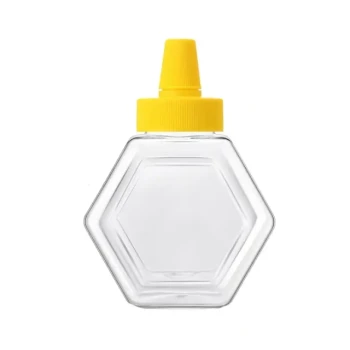
- Hexagonal Squeeze Honey Bottle with No Drip Lid
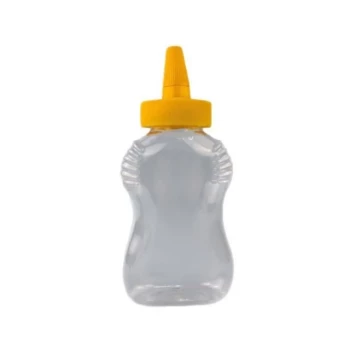
- Ergonomic Squeezable Honey Bottle with Precision Twist Nozzle Cap
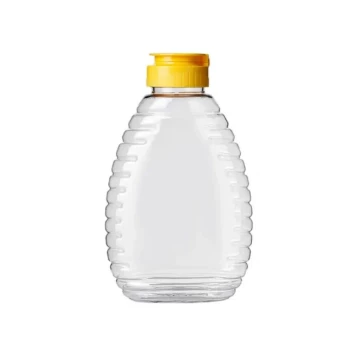
- Premium PET Squeeze Honey Bottle with Ergonomic Grip and Rotary Dispenser
- Stainless Steel Honey Storage Tank with Lid for Honey
- Heavy Duty 304 Stainless Steel Honey Dipper
People Also Ask
- What are the benefits of squeeze bottles for honey packaging? Unlock Mess-Free Convenience & Control
- How do honey bottles contribute to the preservation of honey products? Secure Quality and Commercial Value
- What are the features of honey bottles? Design for Convenience & Long-Term Preservation
- How should honey bottles be prepared before pouring honey into them? The #1 Rule for Honey Longevity
- What are the features and benefits of using honey bottles for packaging? Optimize Preservation and Consumer Experience