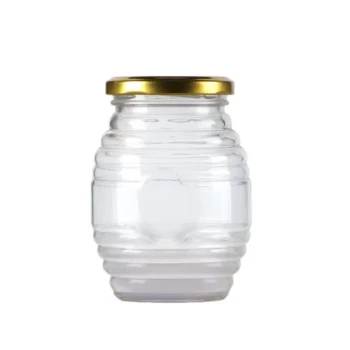
Tight, non-transparent containers are biologically necessary because they act as a critical shield against the two primary drivers of pollen degradation: light and atmospheric moisture. By blocking these external elements, the container maintains a stable micro-environment that prevents photolysis (light damage) and oxidation, allowing the pollen to retain its sensory quality at room temperature (approx. 18°C) for periods exceeding four months.
Core Takeaway Bee pollen is a fragile, bioactive substance that is highly susceptible to environmental stress. Without a hermetic, light-proof seal, the re-entry of moisture and exposure to light accelerate chemical breakdown, rapidly destroying the pollen's aroma, color, and nutritional profile.
The Mechanics of Degradation
Blocking Light-Induced Photolysis
Light is not merely a cosmetic threat; it is a chemical catalyst. When bee pollen is exposed to light, it undergoes photolysis, a process where photons break down chemical bonds.
This degradation targets the pollen’s most valuable components, including phenolic compounds and antioxidant bioactive ingredients. Non-transparent containers eliminate this variable entirely, preserving the pollen's chemical stability.
Preventing Moisture Re-entry
Bee pollen is hygroscopic, meaning it naturally absorbs water from the air. Tightly sealed containers provide an essential barrier against the re-entry of atmospheric moisture.
If this seal is compromised, the pollen absorbs humidity, which destabilizes its micro-environment. This moisture uptake is the precursor to mold growth and accelerates spoilage mechanisms that render the product unusable.
Preserving Sensory and Chemical Integrity
Preventing Oxidation of Lipids and Proteins
Pollen contains complex nutrients, specifically proteins and lipids, which are highly prone to oxidation. When oxygen interacts with these components, it leads to oxidative rancidity.
A tight seal limits the continuous flow of oxygen. This helps maintain the structural integrity of these nutrients, preventing the chemical deterioration that leads to off-flavors and nutritional loss.
Maintaining Aroma and Color
The physical signs of degradation are often the first to appear. Oxidation and moisture absorption directly cause discoloration and the loss of aroma.
By stabilizing the environment inside the vessel, the container locks in the pollen's original sensory profile. This ensures that even after months of storage, the pollen smells and looks as it did upon collection.
Understanding the Trade-offs
The Limitations of "Tight" Seals
While a tight lid prevents continuous air exchange, it traps the air currently inside the jar. For maximum longevity, simply closing a jar may not be enough to stop all oxidative processes.
Advanced storage often involves vacuum packaging or CO2 back-filling to remove oxygen entirely. This inhibits pest activity (such as wax moth eggs) and slows lipid rancidity more effectively than a standard airtight seal alone.
Temperature Dependency
The primary protection offered by these containers is effective at approximately 18°C. However, this does not halt biological activity completely.
For significantly longer storage or to lock in precise pesticide residue levels for analysis, lower temperatures (freezing at -16°C to -20°C) are required in conjunction with proper sealing. The container preserves the environment, but the temperature controls the rate of chemical reaction.
Making the Right Choice for Your Goal
To ensure your bee pollen remains viable and high-quality, align your storage method with your specific objective:
- If your primary focus is general pantry storage: Use dark, wide-mouth jars with tight seals to prevent moisture and light damage at room temperature (approx. 18°C).
- If your primary focus is maximizing shelf life: Combine vacuum sealing with freezing (-16°C) to completely arrest nutrient degradation and lipid oxidation.
- If your primary focus is scientific analysis: Ensure the container is opaque to protect antioxidants from photo-degradation and keep samples frozen to lock in their chemical state.
The correct container does not just hold the product; it actively defends the biological integrity of the pollen against the environment.
Summary Table:
| Factor | Impact on Bee Pollen | Storage Requirement |
|---|---|---|
| Light | Causes photolysis; destroys antioxidants and phenolics | Opaque, non-transparent walls |
| Moisture | Leads to mold growth and sensory spoilage | Hermetic, air-tight seal |
| Oxygen | Triggers lipid oxidation and rancidity | Tight seal or vacuum packaging |
| Temperature | Accelerates chemical breakdown and pest activity | Cool environment or freezing (-20°C) |
Maximize Your Apiary's Productivity with HONESTBEE
Preserving the delicate bioactive compounds of bee pollen requires the right tools and professional-grade equipment. At HONESTBEE, we specialize in supporting commercial apiaries and distributors with a comprehensive wholesale portfolio.
From specialized hive-making and honey-filling machinery to high-quality storage consumables and honey-themed cultural merchandise, we provide the full spectrum of beekeeping hardware needed to maintain product integrity from hive to shelf.
Ready to scale your beekeeping operations?
Contact us today to explore our wholesale solutions and see how our expertise can add value to your business.
References
- Maciej Siuda, T. Bąk. The Effect of Various Storage Methods on Organoleptic Quality of Bee Pollen Loads. DOI: 10.2478/v10289-012-0008-8
This article is also based on technical information from HonestBee Knowledge Base .
Related Products
- Plastic Transporting Bee Packages and Nuc Boxes for Beekeeping
- Removable Plastic Pollen Trap With Ventilated Tray for Bees Pollen Collector
- Classic Glass Honey Jar with Metal Lug Cap for Beehive Storage
- 30 cm Plastic Entrance Hole Bee Pollen Trap and Collector
- Australian Langstroth Beehive Boxes for Beekeeping Wholesales
People Also Ask
- What role do bee package boxes play in the commercial transport and expansion of honeybee colonies? - Logistic Essentials
- What are beekeeping boxes called? A Guide to Hive Bodies and Box Types
- How do standardized bee packages serve as a recovery mechanism for commercial beekeeping? Ensure Business Continuity
- What is the commercial value of using standardized bee packages? Drive Scalability in Large-Scale Apiaries
- Why is the timely introduction of high-quality bee packages critical? Save Your Apiary from Asian Hornet Invasions