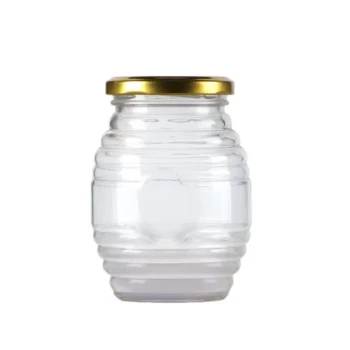
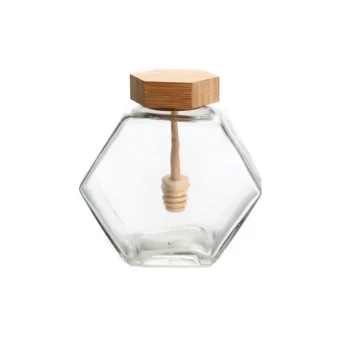
Transparent glass bottles are the definitive choice for final honey packaging because they simultaneously address consumer psychology and chemical preservation. They provide an inert environment that maintains the honey's stability while allowing immediate visual verification of critical quality indicators like color and texture.
While the transparency serves a crucial marketing function by showcasing quality, the material choice is fundamentally about stability; glass is an impermeable barrier that preserves the honey's bioactive components and prevents spoilage.
Building Trust Through Visibility
Visual Confirmation of Quality
For the consumer, sight is the primary sense used to judge honey quality before purchase. Transparent glass allows for the immediate inspection of color and clarity, which are specific indicators of purity (such as the distinct clarity of acacia honey).
Assessing Texture and Consistency
Glass packaging enables the buyer to verify the honey's physical state. Consumers can easily identify whether the honey is liquid, viscous, or crystallized, ensuring the product meets their specific expectations for that variety.
Establishing Authenticity
The ability to see the product creates a perception of honesty and openness. By offering a clear view of the contents, glass packaging helps build consumer trust and supports a premium market positioning that opaque containers often fail to achieve.
The Science of Preservation
Chemical Inertness
From a technical standpoint, glass offers exceptional chemical stability. It does not react with the high acidity often found in honey (particularly unique varieties like stingless bee honey), ensuring that no container materials leach into the product.
Superior Barrier Properties
Glass provides a near-perfect seal against environmental factors. It effectively blocks the infiltration of oxygen and moisture, two elements that can lead to fermentation, spoilage, or unwanted crystallization.
Protecting Aromas and Bioactivity
High-quality glass prevents the loss of volatile compounds. This isolation preserves the honey's natural aroma, enzyme activity, and flavor profile, while simultaneously preventing the absorption of external odors from the storage environment.
Understanding the Trade-offs
Fragility and Breakage
While glass is superior for preservation, it presents logistical challenges. It is significantly more fragile than plastic, increasing the risk of breakage during transit and handling.
Weight and Distribution Costs
Glass is heavy, which impacts the logistics of the supply chain. For bulk distribution or long-distance transportation, the added weight can increase shipping costs compared to lightweight plastic alternatives.
Making the Right Choice for Your Brand
Selecting the correct packaging requires balancing the need for preservation with the realities of your supply chain.
- If your primary focus is High-Value Retail: Choose transparent glass to maximize shelf life, preserve distinct aromas, and justify a premium price point through visual appeal.
- If your primary focus is Bulk Distribution: Consider high-grade plastic for wholesale logistics to minimize shipping weight and eliminate the risk of breakage during transit.
Glass remains the superior technical solution for preserving the integrity of honey from the hive to the consumer's table.
Summary Table:
| Feature | Benefit of Transparent Glass | Impact on Honey Quality |
|---|---|---|
| Visibility | Allows inspection of color, clarity, and texture | Builds consumer trust and confirms purity |
| Chemical Inertness | Non-reactive material | Prevents leaching and maintains natural acidity |
| Barrier Property | Impermeable to oxygen and moisture | Prevents fermentation and extends shelf life |
| Aroma Retention | Blocks volatile compound loss | Preserves natural flavor and enzyme activity |
| Market Position | Premium aesthetic appeal | Supports higher retail pricing and brand authority |
Elevate Your Honey Brand with HONESTBEE Professional Solutions
At HONESTBEE, we understand that the right packaging is just the final step in a complex production cycle. As a premier partner for commercial apiaries and global distributors, we provide more than just equipment—we provide the tools for your success.
Whether you are scaling up with our high-precision honey-filling machines, sourcing durable beekeeping hardware, or looking to expand your retail presence with honey-themed cultural merchandise, HONESTBEE offers a comprehensive wholesale portfolio tailored to your needs.
Ready to optimize your production and preserve your product's integrity?
Contact HONESTBEE Today for a Wholesale Consultation
References
- Margit Csipkés, S. Nagy. INVESTIGATION OF THE COMMERCIAL SITUATION AMONG BEEKEEPERS IN HUNGARY FROM 2010 TO THE PRESENT. DOI: 10.47535/1991auoes30(1)001
This article is also based on technical information from HonestBee Knowledge Base .
Related Products
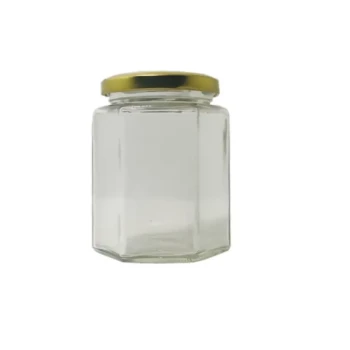
- Hexagonal Glass Honey Jars with Metal Lug Caps Elegant Versatile Packaging
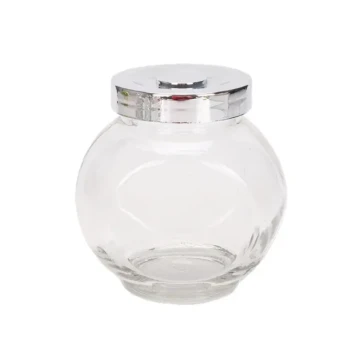
- Classic Drum Shaped Glass Honey Jar with Airtight Lid
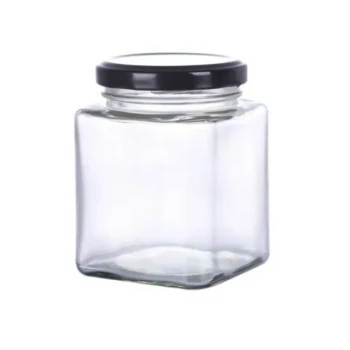
- Modern Square Glass Honey Jar with Twist Off Lid
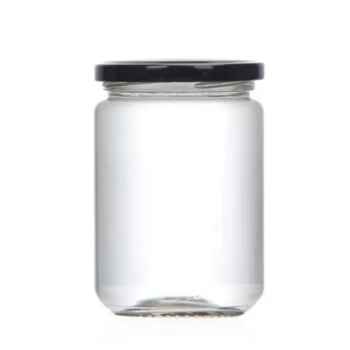
- Classic Round Glass Honey Jar with Lid
- Classic Glass Honey Jar with Metal Lug Cap for Beehive Storage
People Also Ask
- What is the aesthetic appeal of using glass jars for honey? Elevate Your Brand with Premium Packaging
- What are the logistical challenges associated with using glass jars for honey packaging? Navigating Weight & Fragility
- What are the advantages of glass containers for honey? Elevate Quality and Market Value with Premium Packaging
- What are the technical advantages of using glass jars for honey? Master Commercial Packaging for Premium Purity
- What are the advantages of using glass jars for honey packaging? Preserve Purity & Elevate Your Brand