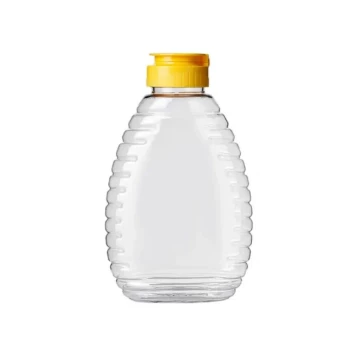
Transparent plastic containers serve a dual purpose in honey preservation: they act as a robust barrier against environmental contaminants while simultaneously functioning as a window for continuous quality assessment. By creating an effective seal, they prevent moisture fluctuation, while their transparency allows producers to monitor color evolution and physical changes without breaching the container's integrity.
Ideally suited for commercial processing and quality control, transparent plastic combines the necessary airtight seal required to prevent fermentation with the visual accessibility needed to track crystallization and physicochemical stability over time.
The Mechanics of Preservation
Combating Moisture Absorption
Honey is naturally hygroscopic, meaning it readily absorbs moisture from the surrounding atmosphere. If water content rises too high, the honey risks fermentation and spoilage.
High-quality plastic containers provide an effective seal that isolates the product from environmental humidity. This airtight barrier is essential for maintaining the chemical stability of the honey over storage periods exceeding one year.
Isolating External Contaminants
Beyond moisture, honey can easily absorb foreign odors and attract physical contaminants.
Plastic containers serve as standardized isolation units in commercial processing. They protect the product from absorbing atmospheric odors, ensuring the natural flavor profile remains uncompromised.
Facilitating Quality Assessment
Non-Invasive Visual Monitoring
The primary advantage of transparency is the ability to assess quality without breaking the seal.
Producers can visually monitor crystallization patterns and color changes directly through the container walls. This allows for immediate identification of physical instability without exposing the honey to air or potential contaminants.
Tracking Physicochemical Evolution
Transparent containers allow for the observation of how honey reacts to varying environmental conditions, such as light exposure.
This is critical for tracking the evolution of physicochemical indicators over time. It enables producers to standardize storage protocols based on how the honey visually responds to its environment.
Understanding the Trade-offs
Plastic vs. Glass for Inertness
While plastic is preferred for monitoring and general sealing, it is important to acknowledge that glass offers superior chemical inertness.
Supplementary data suggests that for traditional "aged" honey, glass jars effectively prevent oxidation and safeguard therapeutic value more rigorously than plastic. Glass is non-porous and generally less reactive over multi-year durations.
Research-Grade Precision
In strictly controlled scientific research, sterile glass is often the standard.
When measuring precise chemical changes—such as pH values or Hydroxymethylfurfural (HMF) levels—glass ensures that results are caused solely by the internal evolution of the honey, eliminating the variable of potential container interaction.
Making the Right Choice for Your Goal
Selecting the correct container depends on whether your priority is commercial monitoring or absolute chemical isolation.
- If your primary focus is visual monitoring and commercial handling: Choose transparent food-grade plastic to easily track crystallization and color changes while maintaining a strong moisture barrier.
- If your primary focus is long-term aging or chemical research: Choose glass containers for their superior inertness to ensure zero interaction between the vessel and the honey.
By balancing the need for visibility with the requirement for an airtight seal, transparent plastic remains the practical standard for maintaining and assessing honey quality in most storage scenarios.
Summary Table:
| Feature | Transparent Plastic Containers | Glass Containers |
|---|---|---|
| Primary Benefit | Visual monitoring & durability | Superior chemical inertness |
| Moisture Barrier | High (Airtight seal) | Excellent (Non-porous) |
| Monitoring | Non-invasive (Visible) | Visible (But heavier/fragile) |
| Best Use Case | Commercial processing & distribution | Long-term aging & lab research |
| Risk Factor | Potential permeability over years | Fragility and higher weight |
Elevate Your Honey Quality with HONESTBEE Professional Solutions
Maintaining the integrity of your honey harvest requires the right equipment. HONESTBEE provides commercial apiaries and distributors with high-grade honey-filling machines and specialized storage solutions designed to preserve the physicochemical stability of your products.
Whether you are scaling up your production or optimizing your distribution chain, we offer a comprehensive wholesale portfolio—from precision machinery to essential industry consumables. Contact us today to discover how our beekeeping tools and hardware can enhance your operational efficiency and product quality.
References
- Mehdi Zarei, Nasim Alijani. Evaluation of the changes in physicochemical and antioxidant properties of honey during storage. DOI: 10.31989/ffhd.v9i9.616
This article is also based on technical information from HonestBee Knowledge Base .
Related Products
- Squeezable No-Drip Beehive-Shaped Honey Jars with Flip-Top Cap
- Classic Beehive Honey Bottle Jar with Squeeze Dispenser Lid
- Plastic Transporting Bee Packages and Nuc Boxes for Beekeeping
- Plastic Honey Uncapping Tub Tank for Beekeeping
People Also Ask
- What food safety standards must honey containers meet? Expert Guide to Packaging Integrity & Hygiene
- Why is it important to distinguish between weight and volume when selecting honey containers? Maximize Profits Now
- What are the benefits of purchasing honey containers in bulk? Maximize Margins & Secure Your Supply Chain
- What types of containers are ideal for storing liquid honey? Preserve Quality with Glass or Plastic
- How many jars of honey can you get from a hive? Maximize Your Yield with Strong Hive Management