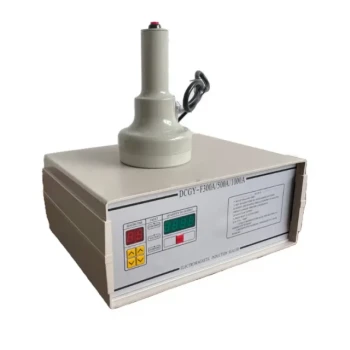
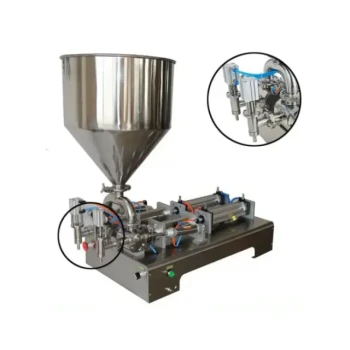
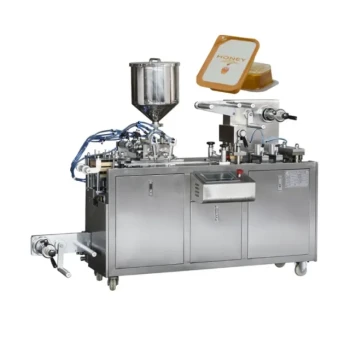
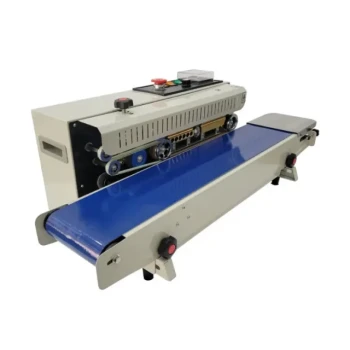
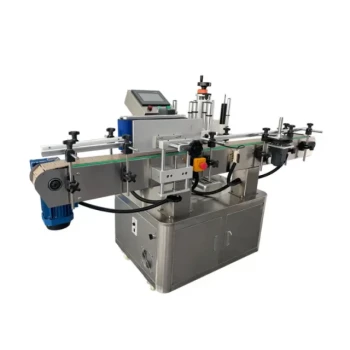
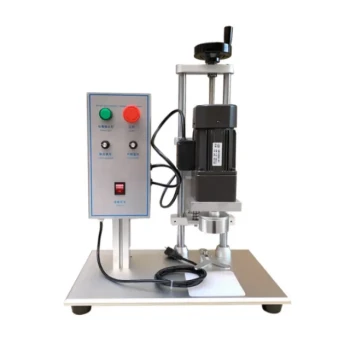
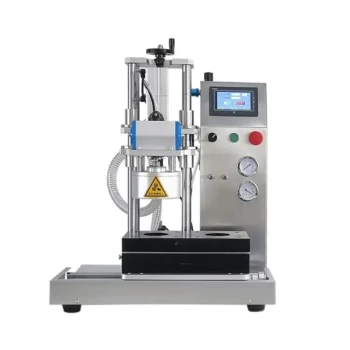
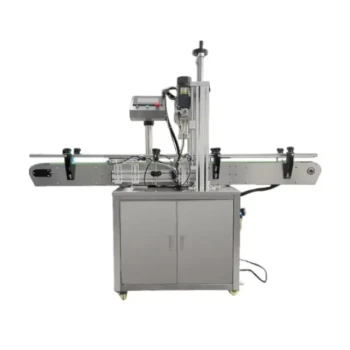
To secure access to the European Union market, organic honey and liquid food producers must utilize high-precision automatic filling and sealing equipment to meet rigorous regulatory mandates regarding product integrity and chain of custody. This industrial-grade machinery acts as the essential hardware foundation for compliance, ensuring that products are delivered directly from the processor in a tamper-proof, sealed environment that prevents cross-contamination.
Core Takeaway The necessity for this equipment extends beyond operational efficiency; it is a prerequisite for maintaining the >95% organic ingredient threshold required for the EU organic certification logo. Automated systems provide the closed, sterile environment needed to guarantee traceability and protect the product's chemical and physical stability against external contaminants.
The Critical Link to Certification
Meeting the "Direct Delivery" Mandate
EU regulations explicitly require that organic foods be delivered directly from the producer or processor in sealed packaging. Manual packaging methods often fail to meet the strict "tamper-proof" standards required to prove that the chain of custody has not been broken. High-precision sealing equipment provides the verifiable security needed to pass regulatory audits.
Protecting the 95% Organic Threshold
To carry the European Union organic certification logo, a product must maintain a composition of over 95% organic ingredients. Automatic filling systems eliminate the risk of accidental mixing with non-organic substances. This hardware ensures that the purity level verified at the source is exactly what reaches the consumer.
Ensuring Full Traceability
Automated labeling and sealing systems integrate directly with production data. This ensures every unit has clear identification and intact packaging. This capability satisfies international requirements for logistics safety and allows for rapid tracing of the product back to specific batches or apiaries.
Preserving Chemical and Physical Quality
Preventing Moisture-Induced Spoilage
Honey is hygroscopic, meaning it naturally absorbs moisture from the air. High-precision sealing equipment—using heat sealing or torque control—creates a vacuum-level airtight barrier. This prevents moisture absorption, which is the primary cause of fermentation and spoilage during long-distance transport.
Minimizing Crystallization Risks
For high-purity unifloral honey, physical stability is paramount. Industrial-grade fillers utilize precise flow control to minimize shear forces during injection. Excessive agitation or shear can accelerate crystallization; these machines ensure the honey remains in its desired liquid state for longer periods.
Maintaining Sterile Conditions
Automated machinery significantly reduces the risk of biological contamination associated with manual operation. By creating a closed operating environment, the equipment minimizes human contact and atmospheric exposure. This ensures the finished product remains hygienic and safe for consumption upon arrival.
Operational Precision and Yield
Handling High-Viscosity Materials
Honey is difficult to package precisely due to its thickness and stickiness. Advanced metering control systems are designed specifically for high-viscosity fluids. They ensure bubble-free injection and consistent loading volumes, preventing the product defects that often occur with standard filling equipment.
Reducing Waste and Overflow
Precise quantitative filling significantly reduces the overflow of expensive organic materials. By ensuring the net weight of every bottle is consistent, producers avoid the financial loss of overfilling while meeting the strict weight specification requirements for commercial distribution.
Understanding the Trade-offs
Capital Investment vs. Operational Risk
While high-precision automation requires a significant upfront capital expenditure, it is a necessary trade-off for market access. Relying on manual or low-precision equipment creates a high risk of compliance failure, which can result in the revocation of organic status—a far costlier outcome than the equipment investment.
Maintenance and Calibration Complexity
These systems rely on advanced metering pumps and sensors that require specialized maintenance. Operators must adhere to strict cleaning and calibration schedules. Failure to maintain the equipment correctly can lead to calibration drift, potentially causing under-filling violations or compromised seal integrity.
Making the Right Choice for Your Goal
When selecting filling and sealing technology for the EU market, align your equipment features with your specific strategic objectives:
- If your primary focus is Regulatory Compliance: Prioritize equipment with validated closed-system designs and integrated traceability features to secure the EU organic logo.
- If your primary focus is Product Quality (Shelf Life): Look for machinery offering vacuum sealing and torque control to prevent moisture absorption and fermentation.
- If your primary focus is Premium Texture (Unifloral Honey): Select fillers with low-shear flow control to delay crystallization and maintain physical stability.
Compliance with EU standards is not just about the product itself, but about utilizing the precise hardware that guarantees that purity from the hive to the shelf.
Summary Table:
| Requirement Category | Benefit of High-Precision Automation | Impact on EU Compliance |
|---|---|---|
| Regulatory | Tamper-proof, sealed environment | Secures >95% organic certification |
| Traceability | Integrated data & batch labeling | Meets international logistics safety standards |
| Product Integrity | Airtight vacuum sealing | Prevents moisture absorption and fermentation |
| Stability | Low-shear flow control | Minimizes crystallization in premium honey |
| Efficiency | Bubble-free quantitative filling | Eliminates waste and ensures weight accuracy |
Elevate Your Apiary Operations with HONESTBEE
Navigating the stringent requirements of the EU market requires more than just high-quality honey—it requires the right industrial hardware. HONESTBEE specializes in empowering commercial apiaries and distributors with the tools needed for global success.
From high-precision honey-filling machines that preserve product integrity to hive-making machinery and essential consumables, our comprehensive wholesale portfolio is designed to enhance your production standards and secure your certifications. Partner with us to transform your apiary's efficiency and market reach.
Ready to upgrade your production line? Contact HONESTBEE Today for a Professional Consultation
References
- Georgi Mitev. ORGANIC FARMING - THE FUTURE OF THE AGRICULTURAL ECONOMY OF BULGARIA. DOI: 10.15547/tjs.2019.s.01.091
This article is also based on technical information from HonestBee Knowledge Base .
Related Products
- Precision Automated Packaging Turntable Honey Spoon Filling Sealing Packing Machine
- Fully Automatic Honey Filling Packaging Machine for Processing Line
- Handheld Induction Sealing Machine for Tamper Evident Packaging
- Precision Durable Efficient HONESTBEE Rotary Honey Filling Machine
- Pneumatic Paste Filling Machine Bottling Packaging Machine Single Nozzle
People Also Ask
- Why is the use of professional filling and sealing packaging machinery necessary for the production of high-value honey?
- What role do automated filling and packaging machines play in the honey supply chain? Scale Your Retail Distribution
- What are the benefits of automated honey filling and packaging? Scale Your Apiary with Industrial Precision
- What role do professional automated filling and packaging machines play in honey processing? Boost Efficiency & Value
- How do automated honey filling and packaging machines contribute to the market value of honey products? Maximize Your ROI