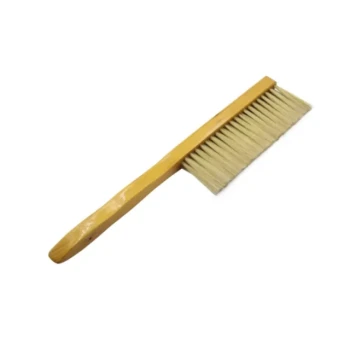
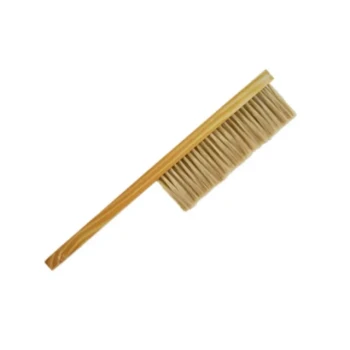
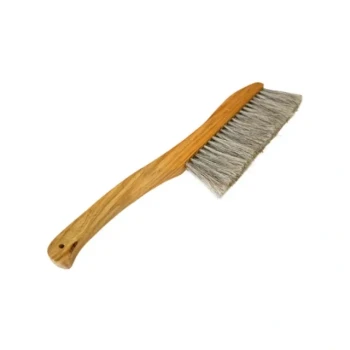
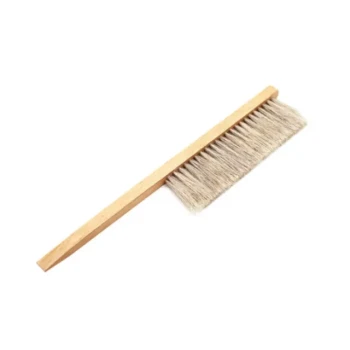
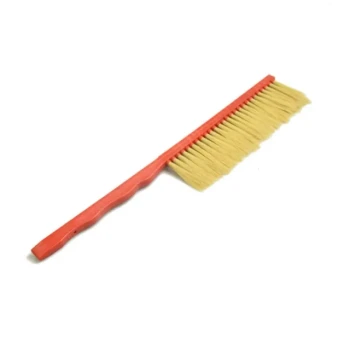
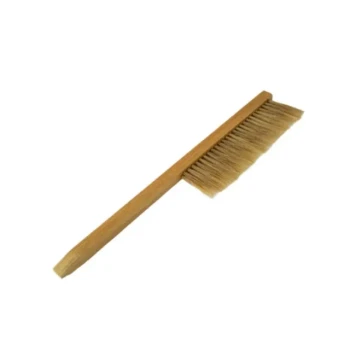
The critical role of a fine-tipped camel hair brush in pollen extraction lies in its unique combination of extreme softness and precision. This specialized tool allows for the delicate removal of pollen from the honey bee’s corbicula (pollen basket) without compromising the structural integrity of microscopic pollen grains. By minimizing mechanical friction, researchers can ensure highly accurate pollen load measurements while preventing physical trauma to the bee, making it an indispensable consumable for high-precision apiary research.
Core Takeaway: The camel hair brush is the industry standard for non-invasive sample collection, ensuring that delicate biological data—from pollen grains to parasitic mites—remains free from mechanical artifacts or structural damage.
The Science of Non-Invasive Extraction
Preserving Microscopic Integrity
The primary reason for using camel hair is its naturally soft texture, which is essential when handling microscopic pollen grains. Unlike synthetic fibers, these fine tips lift the sample without crushing the grains or causing structural deformations that could skew microscopic analysis.
Maintaining the morphological accuracy of the pollen is vital for researchers who need to identify plant species or calculate the nutritional value of a bee’s foraging load.
Minimizing Mechanical Friction
Using a less specialized tool can create excessive friction, which may lead to sample loss or the contamination of the corbicula with biological debris from the bee’s exoskeleton.
The camel hair brush provides a gentle contact point that allows for thorough collection while preserving the honey bee’s physical health for further study or release.
Ensuring Data Reliability in Laboratory Settings
Eliminating Sampling Artifacts
In advanced apiary studies, it is crucial that any observed damage to a sample is the result of natural behavior and not the collection process itself.
Just as fine brushes are used to extract Varroa mites without damaging their exoskeletons, using them for pollen ensures that measurement errors are not introduced by the tools themselves.
Versatility Across the Apiary Portfolio
While primarily used for pollen, these brushes are a staple in the full-spectrum product portfolio for distributors because they serve multiple high-precision roles.
They are frequently used for larval marking and the handling of fragile parasites, as their flexible bristles allow for movement without causing physical trauma or physiological stress to the organisms.
Understanding the Trade-offs: Quality vs. Cost
Material Selection and Longevity
Distributors must recognize that while synthetic brushes are cheaper, they often lack the capillary action and softness required for precise pollen extraction.
Lower-quality brushes may shed bristles or lose their fine-tipped shape quickly, leading to increased contamination risks and frequent replacement needs for the end-user.
The Challenge of Sterilization
As a consumable, these brushes must be handled carefully to avoid cross-contamination between samples or hives.
Resellers should emphasize that because these are natural fibers, they require specific cleaning protocols to maintain their efficacy, reinforcing the need for a reliable, high-volume supply chain for replacements.
How to Apply This to Your Inventory Strategy
As a technical advisor to B2B distributors, it is clear that stocking high-grade camel hair brushes is less about the tool itself and more about supporting the accuracy of the customer’s data.
- If your primary focus is Research and Laboratory Clients: Prioritize the highest-grade camel hair tips to ensure their data remains free from mechanical artifacts.
- If your primary focus is Commercial Beekeeping Supplies: Focus on the versatility of the brush for hive maintenance, such as gently clearing bees from frames or larval marking.
- If your primary focus is High-Volume Distribution: Leverage our rapid response times and efficient fulfillment to ensure your clients never face a gap in their consumable supply for time-sensitive pollination seasons.
The precision offered by a fine-tipped camel hair brush is the key to maintaining the delicate balance between efficient sample collection and biological preservation.
Summary Table:
| Key Feature | Benefit for Apiary Research | Primary Applications |
|---|---|---|
| Ultra-Soft Bristles | Prevents crushing microscopic pollen grains | Pollen sample extraction, larval marking |
| Low Friction | Minimizes trauma to the honey bee exoskeleton | Non-invasive data collection, mite removal |
| High Precision | Ensures morphological accuracy for analysis | Species identification, nutritional studies |
| Natural Fiber | Superior capillary action for better pickup | Laboratory research, delicate hive maintenance |
Partner with HONESTBEE for Premium Apiary Consumables
As a leading wholesale provider, HONESTBEE empowers commercial apiaries and B2B distributors with a one-stop sourcing solution for high-precision tools. From specialized camel hair brushes to advanced honey-filling machines and hive-making equipment, our comprehensive portfolio is designed to maximize your profit margins and operational efficiency.
Why Choose HONESTBEE?
- Full-Spectrum Portfolio: Access everything from consumables to heavy machinery.
- OEM/ODM Support: Tailored solutions to meet your specific market needs.
- Ultra-Fast Fulfillment: Rapid response times and efficient global delivery.
- Industry Expertise: Deep professional knowledge to support your technical inquiries.
Boost your inventory with reliable, high-performance beekeeping supplies. Contact our team today to discuss wholesale pricing and customized distribution partnerships!
References
- Jasvir Singh Dalio. Cannabis sativa-An Important Subsistence Pollen Source for Apis mellifera.. DOI: 10.9790/3008-0140103
This article is also based on technical information from HonestBee Knowledge Base .
Related Products
- Wooden Bee Brush with Triple Row Artificial Fiber for Beekeeping
- Double Row Artificial Fiber Bee Brush for Beekeeping
- Premium Triple-Row Horsehair Bee Brush
- Wooden Bee Brush with Double-Row Horsehair Bristles
- Plastic Handle Single Row Artificial Fiber Bee Brush
People Also Ask
- What is the specific function of a bee brush? Ensure Pure Harvests and Colony Welfare During Honey Extraction
- What are the key characteristics of the bristles on a bee brush? Master Gentle and Efficient Bee Removal
- What is the purpose of using a bee brush during the inspection of hive components? Safe & Precise Hive Management
- What problem does a bee brush solve? Protect Your Colony with Gentle Precision Tools
- Why is a bee brush necessary when extracting honeybee hive frames that contain larvae? Protect Your Brood and Colony