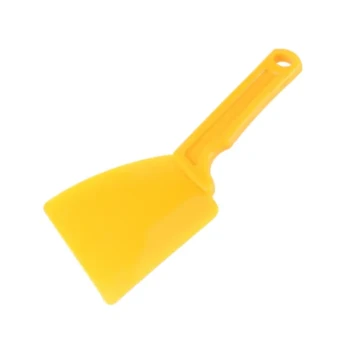
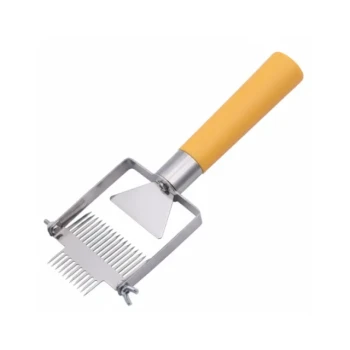
Harvesting Apis dorsata honeycombs requires a specialized long-handled cutter primarily to bridge the significant vertical gap between the operator and the nest. Because these giant honeybees construct their hives on man-made structures or tall trees at heights ranging from 10 to 30 meters, this tool is the only mechanism that allows for precise extraction while the harvester remains at a safe distance.
Core Insight: The value of the long-handled cutter extends beyond simple reach; it is a precision instrument designed to maintain the structural integrity of the honeycomb. By cleanly severing the attachment point, it prevents the crushing force that destroys internal brood cells, ensuring the harvested sample remains intact.
Overcoming Vertical Challenges
The primary function of the long-handled cutter is to address the extreme inaccessibility of Apis dorsata colonies.
Accessing High-Altitude Nests
Apis dorsata, also known as the giant honeybee, typically establishes colonies at significant elevations.
Nests are frequently found between 10 and 30 meters above the ground.
Without a specialized long-handled tool, accessing these hives would require dangerous climbing or proximity that compromises operator safety.
Remote Operation
The extended handle allows the operator to manipulate the comb from a stable position.
This distance is critical when working in conjunction with smoke to disperse defensive bees, giving the harvester a clear line of sight to the target.
Ensuring Structural and Biological Integrity
Beyond reaching the hive, the cutter plays a vital role in the quality of the harvest.
Precision Severing
The tool is designed to target the specific attachment point between the honeycomb and the substrate (branch or structure).
This allows the operator to detach the comb cleanly rather than tearing it away.
Tearing the comb often results in fragmentation, making the harvest difficult to collect and transport.
Preventing Compression Damage
A major risk during manual harvesting is the compression of the comb.
Apis dorsata combs are large and heavy; improper handling can crush the internal structure.
The cutter eliminates the need for squeezing or pulling, which prevents compression damage to the brood cells inside, preserving the biological capability of the section being harvested.
Operational Trade-offs
While the long-handled cutter is essential, it introduces specific operational challenges that must be managed.
Reduced Tactile Feedback
Operating a tool at a length of 10+ meters reduces the harvester's "feel" for the cut.
This requires a high degree of visual estimation and skill to ensure the cut is clean and does not damage the branch or the main colony structure unnecessarily.
Stability vs. Reach
The longer the handle, the more difficult it is to keep the cutter head steady.
Operators must balance the need for maximum reach with the ability to control the blade precisely to avoid agitating the colony more than necessary.
Making the Right Choice for Your Goal
When planning a harvest of Apis dorsata honey, understanding the role of your equipment determines the quality of your output.
- If your primary focus is Sample Quality: Prioritize a sharp, rigid cutter to ensure a single-stroke severance that prevents debris and crushed brood fluids from contaminating the honey.
- If your primary focus is Colony Conservation: Use the cutter's precision to remove only the honey stores while leaving the brood section of the comb attached to the substrate if possible.
Success in high-altitude harvesting relies not just on reaching the hive, but on the ability to detach it without destroying its complex internal structure.
Summary Table:
| Feature | Benefit for Apis dorsata Harvesting |
|---|---|
| Extended Reach | Enables harvesting from 10 to 30 meters without dangerous climbing. |
| Precision Blade | Targets attachment points to prevent tearing and fragmentation. |
| Non-Compressive Design | Eliminates crushing forces, protecting internal brood cells and honey quality. |
| Distance Buffer | Keeps operators safe from defensive bees while maintaining a clear line of sight. |
Elevate Your Apiary Operations with HONESTBEE
For commercial apiaries and distributors, the right equipment is the difference between a successful harvest and a compromised yield. HONESTBEE provides the industry's most comprehensive selection of professional beekeeping tools, from specialized high-altitude harvesting hardware to honey-filling machinery and essential consumables.
Whether you are scaling a commercial operation or supplying the next generation of beekeepers, our wholesale solutions are designed for durability and precision. Contact us today to discover how HONESTBEE can streamline your supply chain and enhance your honey production efficiency.
References
- Bajaree Chuttong, Michael Burgett. Drone Production by the Giant Honey Bee Apis dorsata F. (Hymenoptera: Apidae). DOI: 10.13102/sociobiology.v66i3.4355
This article is also based on technical information from HonestBee Knowledge Base .
Related Products
- HONESTBEE Professional Long Handled Hive Tool with Precision Cutting Blade
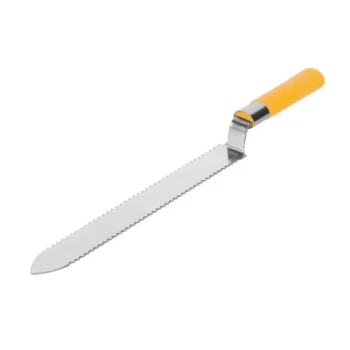
- Heavy Duty Stainless Steel Honeycomb Cutter
- Professional Wide Blade Honey Scraper for Beekeeping and Honey Processing
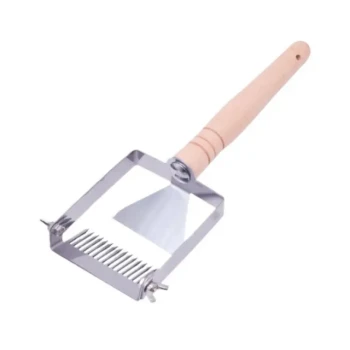
- Professional Stainless Steel Uncapping Fork with Wooden Handle
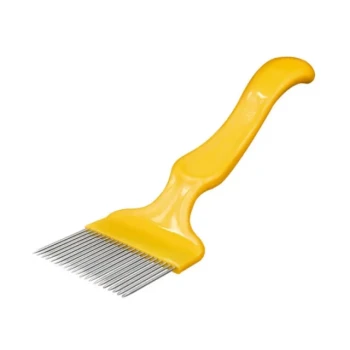
- Adjustable Stainless Steel Honey Uncapping Fork with Plastic Handle for Beekeeping
People Also Ask
- Why are professional hive tools considered indispensable? Master Beekeeping Maintenance with Precision Leverage
- What is the role of professional hive tools in routine apiary maintenance? Expert Tips for Hive Health and Longevity
- What is a bee hive tool? Discover Why It’s the Most Essential Hand Tool for Every Beekeeper
- How do hive tools and queen rearing equipment facilitate the bee colony splitting process? Restore Your Apiary Faster
- Why are professional hive tools & observation equipment necessary for queen rearing evaluation? Master Your Quality