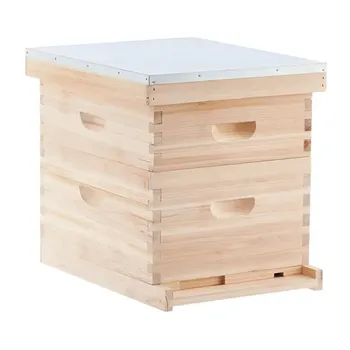
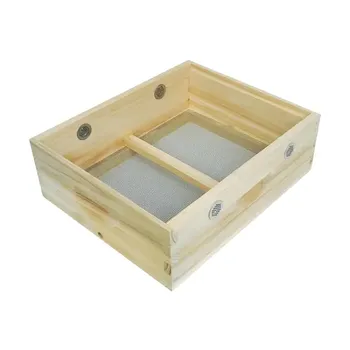
Precise bee space is a functional requirement, not a minor manufacturing detail. The correct clearance—typically about 6–9 mm, depending on the honey bee species and race—allows bees to move through the hive, build orderly comb, and regulate the nest environment. If dimensions are wrong, bees fill narrow gaps with propolis or larger gaps with burr comb, making the hive difficult to inspect and manage.
Species-appropriate bee space preserves both colony behavior and equipment usability. For distributors, manufacturers, and beekeepers, accurate dimensions ensure compatible components, efficient hive maintenance, fewer product complaints, and better honey-production performance.
Why Bee Space Must Match the Honey Bee Species
Bee Space Is a Biological Clearance
Honey bees naturally maintain specific passages between comb faces and hive components. These passages allow workers to walk, move through the nest, construct comb, and support internal temperature regulation.
The required clearance is not universally identical. It can vary within the general 6–9 mm range according to the species and race being housed.
Different Species May Require Different Equipment Standards
A hive designed around standard European bee specifications may not suit smaller native species such as Apis cerana. Even a modest dimensional mismatch can change how bees use the internal space.
For this reason, selecting equipment solely by appearance or external dimensions is risky. The internal spacing, frame geometry, and component tolerances must be evaluated against the target bee population.
Incorrect Dimensions Can Change Colony Behavior
When the available clearance does not correspond to the bees’ natural spacing, colonies may abandon the intended frame arrangement or construct comb in unsuitable locations. This can lead to wild comb construction and make routine management inefficient.
In severe cases, inappropriate equipment may contribute to hive abandonment rather than stable colony occupancy.
What Happens When the Clearance Is Wrong
Gaps That Are Too Narrow
If the space is below the bees’ usable clearance, they commonly fill it with propolis, a sticky material used to seal and protect the nest.
Excessive propolis can bond frames, covers, and hive bodies together. The beekeeper then needs greater force to separate components, increasing the risk of crushed bees and damaged comb.
Gaps That Are Too Wide
If a gap is wider than the species-appropriate bee space, bees may build burr comb or brace comb to fill it.
This unwanted comb can connect frames to one another or attach frames to hive walls and covers. It disrupts the intended modular layout and makes inspection and honey extraction more difficult.
Poor Spacing Reduces Operational Efficiency
Incorrect bee space does not merely create a cosmetic problem. It can prevent frames from being removed cleanly, interfere with inspections, and damage comb during routine handling.
For commercial and professional operations, repeated obstruction increases labor, slows apiary work, and can reduce equipment service life.
Why Precision Matters in Wooden Hive Manufacturing
Wood Dimensions Directly Affect Internal Spacing
Wooden components must be manufactured with consistent dimensions because small errors accumulate across hive bodies, frames, covers, and other internal parts.
The finished product must maintain the intended clearance after assembly, not just meet an isolated measurement on an individual board.
Tolerances Must Be Controlled Across Every Component
A properly dimensioned frame is not sufficient if the hive body, inner cover, or adjacent frame spacing is incorrect. Bee space must be preserved across the complete internal system.
Manufacturers should therefore control cutting, assembly, component fit, and dimensional consistency throughout production.
Standardization Supports Modular Hive Management
Consistent bee space allows frames and hive sections to remain interchangeable within the same equipment standard. This is essential for distributors and resellers serving customers who expect replacement parts and expandable hive systems to fit reliably.
When components are inconsistent, a beekeeper may be forced to modify parts manually or discard otherwise usable equipment.
Why Species-Specific Selection Matters for Buyers
Avoid Treating One Standard as Universal
A widely used hive format may be commercially convenient, but it should not automatically be treated as suitable for every honey bee species.
The correct purchasing decision begins with identifying the species or race, then confirming the corresponding frame and internal clearance requirements.
Specify Internal Dimensions, Not Only Hive Type
Product inquiries should include more than labels such as “wooden hive,” “frame hive,” or a regional hive style. Buyers should confirm:
- Target honey bee species or race
- Required bee-space range
- Frame dimensions and spacing
- Hive body and cover compatibility
- Manufacturing tolerances
- Interchangeability with existing equipment
This specification-based approach reduces ambiguity between suppliers and helps prevent unsuitable substitutions.
Reliable Sourcing Requires Technical Verification
For distributors and B2B resellers, technical verification is part of product quality. A supplier should be able to clarify which species and equipment standard a product is designed for.
Fast response times, dedicated service, and efficient fulfillment are valuable only when the supplied products also meet the correct dimensional requirements.
Understanding the Trade-offs
Standardization Versus Local Adaptation
Standardized hive systems simplify inventory, replacement sales, and apiary expansion. However, a standard optimized for one bee species may not perform correctly with another.
The practical solution is not to eliminate standardization, but to maintain clearly defined product lines for different species and regional equipment requirements.
Tight Tolerances Versus Manufacturing Cost
Higher dimensional precision requires better tooling, process control, inspection, and assembly discipline. These measures may increase manufacturing effort compared with loosely built woodenware.
That cost is justified when it prevents unusable frames, labor-intensive repairs, damaged comb, and customer returns.
External Similarity Can Hide Internal Incompatibility
Two wooden hives may look nearly identical while having different internal spacing or frame standards. Visual inspection alone cannot confirm bee-space compatibility.
Buyers should rely on measured specifications, drawings, samples, and documented quality controls rather than assumptions based on external appearance.
Overgeneralizing the Measurement
Some references describe bee space using a single figure, such as 3/8 inch or approximately 9.5 mm. That figure is relevant to certain equipment standards, but it should not replace species- and system-specific specifications.
The technically sound approach is to treat bee space as a controlled range and verify the exact requirement for the intended bee species and hive design.
Making the Right Choice for Your Goal
Select equipment according to the colony, operating model, and supply requirements—not simply the lowest unit price.
- If your primary focus is species compatibility: Confirm the target honey bee species or race and require internal dimensions designed for its appropriate bee-space range.
- If your primary focus is manufacturing quality: Require controlled tolerances across frames, hive bodies, covers, and stacked components—not just accurate individual parts.
- If your primary focus is distributor inventory: Maintain clearly identified equipment standards so replacement frames and hive sections remain compatible within each product line.
- If your primary focus is commercial apiary efficiency: Choose modular woodenware that prevents propolis bonding and burr-comb obstruction during inspections and honey extraction.
- If your primary focus is reliable sourcing: Work with suppliers able to provide technical specifications, responsive product support, consistent quality, and fast, accurate order fulfillment.
When bee space is treated as a species-specific engineering specification, wooden hives become easier to manage, easier to source, and more productive in the field.
Summary Table:
| Aspect | Correct Bee Space (6–9 mm) | Incorrect Bee Space |
|---|---|---|
| Bee Behavior | Natural movement, orderly comb, proper nest regulation | Propolis filling (too narrow) or burr comb (too wide) |
| Hive Management | Easy inspections, clean frame removal | Difficult separation, damaged comb, reduced efficiency |
| Manufacturing | Consistent internal dimensions, modular compatibility | Tolerances errors, component mismatch, customer complaints |
| Sourcing | Species-specific specifications, reliable quality | Ambiguous standards, unsuitable substitutions |
Looking for reliable beehive solutions that meet precise species-specific standards? HONESTBEE offers a comprehensive range of high-quality wooden hives and beekeeping equipment, tailored for commercial apiaries and distributors. Our expertise ensures accurate bee space dimensions, consistent quality, and efficient supply. Contact us today to discuss your requirements and benefit from our full-spectrum product portfolio, rapid response, and dedicated service. Get in touch now to secure your competitive edge.
Related Products
- Wholesales Dadant Size Wooden Bee Hives for Beekeeping
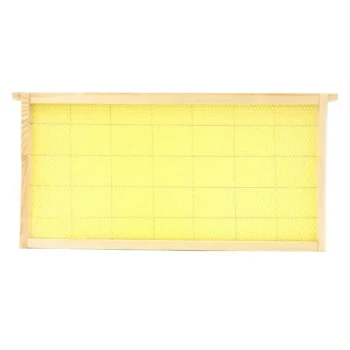
- Wooden Bee Hive Frames for Beekeeping and Wholesale
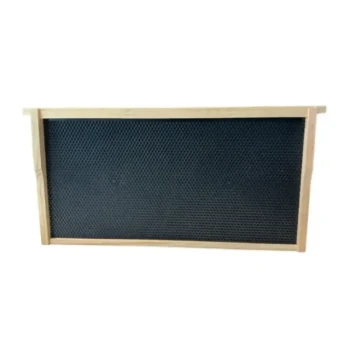
- Assembled Wooden Bee Frames with Plastic Foundation for Durability and Convenience by HONESTBEE
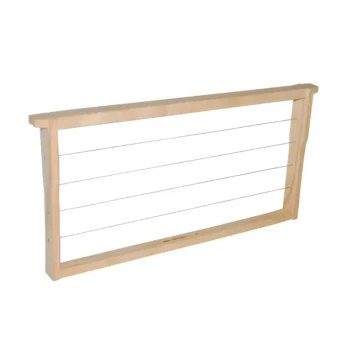
- HONESTBEE Wired and Assembled Wooden Bee Frames Foundation for a Thriving Hive
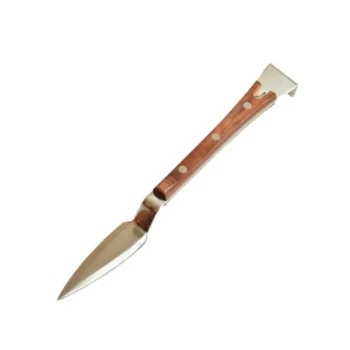
- HONESTBEE Premium Italian Style Hive Tool with Hardwood Handle
People Also Ask
- What are the strategic benefits of installing beekeeping hives at an elevation of 1 to 6 meters? Protect Your Assets
- What are the key advantages of modern improved beekeeping hives? Scale Your Honey Yield and Production Efficiency
- What is the proper way to store unused bee hives? Expert Stacking Tips for Equipment Longevity
- What are the 2 types of bee hives? Langstroth vs. Top-Bar for Your Apiary
- How does the design of improved beekeeping hives contribute to maintaining honey quality and purity? Enhancing Purity