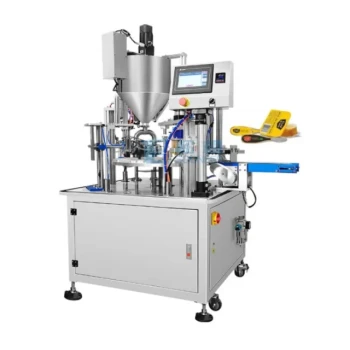
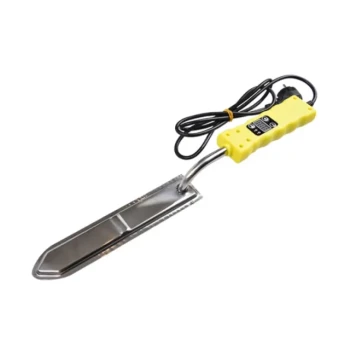
Automated temperature control is the single most effective safeguard against thermal degradation during the bottling process. Honey presents a unique physical challenge: it requires heat to lower its viscosity for efficient flow, yet it is biologically fragile. An automatic temperature-controlled machine resolves this conflict by applying precise temperature compensation, heating the product only to the absolute minimum threshold required for movement.
By strictly regulating heat exposure, these machines prevent the spike in hydroxymethylfurfural (HMF) levels and the destruction of enzymes that occur with overheating. This technology ensures that the transition from bulk storage to retail packaging does not compromise the honey's natural bioactive compounds.
The Science of Nutrient Preservation
The primary threat to honey quality during bottling is not speed or volume, but the uncontrolled application of heat.
Managing HMF Levels and Enzyme Activity
Honey is biologically active, containing essential enzymes that define its quality and value. When honey is overheated, these enzymes are destroyed, and hydroxymethylfurfural (HMF) levels rise—a key marker indicating quality degradation.
Automatic temperature-controlled machines use sensors to monitor thermal input constantly. They ensure the honey never exceeds the specific thermal limit where enzyme denaturation begins, preserving the product’s nutritional profile.
Solving the Viscosity Challenge
Cold honey is often too viscous to bottle efficiently, leading to inconsistent fill volumes and slow production.
These machines utilize temperature compensation systems to heat the honey just enough to achieve the necessary flow rate. This "minimum effective dose" of heat allows for high-speed bottling without subjecting the honey to the damaging temperatures often found in manual or less sophisticated heating methods.
Hygiene and Environmental Control
While temperature is the primary factor in chemical quality, automated machines also maintain quality through strict environmental controls.
Preventing Oxidation and Moisture Absorption
Honey is hygroscopic, meaning it naturally absorbs moisture from the air, which can lead to fermentation and spoilage.
Automated filling machines operate in a closed environment, minimizing the honey's contact with surrounding air. This isolation prevents oxidation and stops the absorption of ambient moisture, maintaining the physicochemical stability of the honey.
Eliminating Contamination Risks
Manual filling processes introduce significant risks of microbial contamination through human contact and open-air exposure.
Industrial-grade automated machines utilize sterile filling technology and non-contact methods. This ensures that from the apiary to the bottle, the honey remains free from secondary contamination, meeting strict international hygiene standards.
Understanding the Trade-offs
While temperature-controlled automation is superior for quality, it introduces specific operational considerations.
Complexity of Calibration
The effectiveness of the machine relies entirely on the accuracy of its sensors. If temperature probes are not calibrated regularly, the system may overheat the honey without the operator's knowledge, defeating the purpose of the equipment.
Viscosity Variations
Different honey varietals have different viscosity indexes. A temperature setting that works for acacia honey may be insufficient for manuka honey. Operators must understand the specific flow characteristics of their product to program the machine correctly, rather than relying on a "set and forget" approach.
Making the Right Choice for Your Goal
When selecting filling equipment, your specific market objectives should dictate your configuration.
- If your primary focus is Raw/Premium Markets: Prioritize machines with advanced temperature compensation to ensure HMF levels remain low and enzyme activity is preserved for health-conscious consumers.
- If your primary focus is High-Volume Export: Focus on systems with high-precision weighing sensors and anti-drip designs to ensure compliance with strict international weight and hygiene regulations.
Ultimately, a temperature-controlled filling machine is not just a packaging tool; it is a quality assurance device that protects the biological integrity of your harvest.
Summary Table:
| Feature | Benefit to Honey Quality | Operational Advantage |
|---|---|---|
| Precise Thermal Sensors | Prevents HMF spikes & enzyme denaturation | Constant monitoring of thermal input |
| Temperature Compensation | Maintains low viscosity without overheating | Ensures consistent flow & fill volumes |
| Closed Environment | Prevents oxidation & moisture absorption | Protects against fermentation & spoilage |
| Sterile Non-contact Filling | Eliminates microbial contamination | Meets international hygiene standards |
Elevate Your Honey Production with HONESTBEE
Preserving the natural bioactive compounds of your harvest requires more than just a pump; it requires precision engineering. HONESTBEE provides commercial apiaries and distributors with professional-grade honey-filling machines and specialized beekeeping tools designed to protect your product's integrity. Whether you are a large-scale distributor or a growing commercial operation, we offer a comprehensive wholesale portfolio—from honey-themed cultural merchandise to advanced hive-making machinery.
Ready to safeguard your honey quality and scale your bottling efficiency?
Contact HONESTBEE Today for a Professional Consultation
References
- Louise Cilliers, François Retief. BEES, HONEY AND HEALTH IN ANTIQUITY. DOI: 10.7445/53-0-36
This article is also based on technical information from HonestBee Knowledge Base .
Related Products
- Fully Automatic Honey Filling Packaging Machine for Processing Line
- Precision Durable Efficient HONESTBEE Rotary Honey Filling Machine
- Automatic Honey Filling and Filtering Machine for Beekeeping Bottle Filling
- Precision Automated Packaging Turntable Honey Spoon Filling Sealing Packing Machine
- Semi Automatic Small Honey Bottle Filling Machine Honey Filler
People Also Ask
- Why are fully automatic honey filling and packaging lines essential? Boost Your Honey's Market Value and Quality
- What is a fully-automatic honey filler? Streamline Your Production with High-Precision Automation
- How do automated honey filling and packaging machines affect profitability? Boost Margins with HONESTBEE Technology
- How do automated honey filling and packaging machines contribute to the market value of honey products? Maximize Your ROI
- How do industrial-grade automated honey filling and packaging machines mitigate the risk of physical contamination?