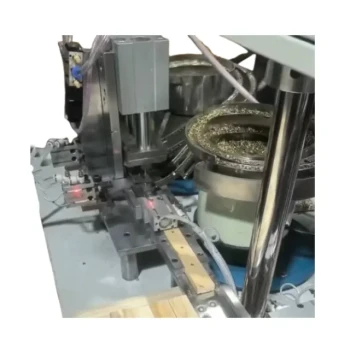
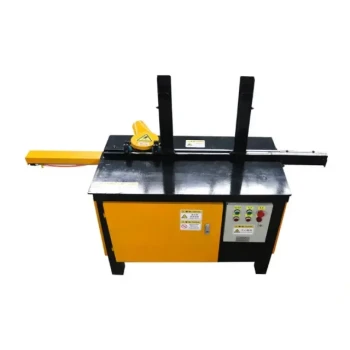
High-automation filling machinery serves as the critical safeguard for bee pollen products, providing a level of precision and sterility that manual processing cannot achieve. It facilitates large-scale industrial production by combining high-speed processing with rigorous sealing capabilities, which are necessary to prevent moisture absorption and secondary contamination during storage and transport.
Because bee pollen is highly sensitive to environmental factors, automated machinery is not a luxury but a necessity. It ensures the product remains biologically active and safe by creating a closed, standardized packaging ecosystem that manual methods cannot replicate.
Preserving Biological Integrity
The primary function of high-automation machinery goes beyond simple packaging; it acts as a preservation system for a delicate biological product.
Combating Moisture Sensitivity
Bee pollen is highly hygroscopic, meaning it readily absorbs moisture from the air. Without the rigorous sealing provided by automated equipment, pollen granules are susceptible to rapid degradation.
Automated systems execute sealing in a closed environment, effectively isolating the product from atmospheric moisture. This prevents oxidation and mold growth, which are the leading causes of spoilage in bee products.
Maintaining Nutrient Activity
The value of bee pollen lies in its rich profile of polyphenolic compounds and antioxidants.
By minimizing exposure to air and contaminants, high-automation filling maintains the bio-activity of these nutrients. This directly translates to a longer shelf life and a higher-quality product for the end consumer.
Eliminating Secondary Contamination
Manual handling introduces inevitable risks of bacterial or particulate contamination.
Automated machinery maintains a sterile operating environment throughout the filling process. This strict sanitation control ensures the product remains pure from the moment it enters the hopper until it is sealed in its final container.
Scaling for Market Competitiveness
Beyond preservation, automation provides the operational architecture required to transform raw bee products into high-value commodities.
Precision and Standardization
Automated fillers utilize advanced volumetric or weight-based measurement systems.
This guarantees that every package contains the exact specified quantity, reducing material waste and ensuring regulatory compliance. This standardization is vital for building brand trust and meeting the strict specifications of international markets.
Meeting Industrial Demand
To satisfy growing domestic and international consumption, production speeds must exceed human limitations.
High-automation machinery provides the core momentum for scaling operations. It acts as the bridge between raw production and the marketplace, allowing producers to meet volume demands without sacrificing the consistency or safety of the final product.
Understanding the Operational Trade-offs
While essential for growth, implementing high-automation systems requires careful consideration of specific operational demands.
Technical Complexity and Maintenance
Automated systems are significantly more complex than manual or semi-auto lines.
They require a higher level of technical expertise to operate and maintain. Downtime for repairs can be costly, necessitating a proactive maintenance schedule to ensure the "critical link" to the market remains unbroken.
Flexibility vs. Speed
Highly automated lines are often optimized for specific packaging formats to achieve maximum speed.
Changing between different bottle sizes or packaging types can be time-consuming. Producers must balance the need for high throughput with the flexibility required to offer diverse product lines.
Making the Right Choice for Your Production
When evaluating filling machinery for bee pollen, align your equipment choice with your specific business objectives.
- If your primary focus is Product Potency: Prioritize machines with advanced sealing technologies and inert gas flushing capabilities to maximize antioxidant retention.
- If your primary focus is Market Expansion: Select equipment with high-speed volumetric filling to ensure standardized specifications and the volume needed for mass retail distribution.
Ultimately, high-automation machinery is the investment that transforms a vulnerable raw ingredient into a stable, competitive, and scalable commercial product.
Summary Table:
| Feature | Manual/Semi-Auto Filling | High-Automation Filling |
|---|---|---|
| Contamination Risk | High (Human contact) | Minimal (Closed sterile environment) |
| Moisture Protection | Inconsistent sealing | Precision airtight sealing |
| Nutrient Retention | Low (Exposure to air) | High (Inert gas/Vacuum options) |
| Production Speed | Low & Variable | High-speed constant throughput |
| Volume Accuracy | Moderate/Estimated | Precision volumetric/weight-based |
| Scalability | Limited | High industrial capacity |
Elevate Your Bee Product Business with HONESTBEE
At HONESTBEE, we understand that bee pollen requires specialized care to maintain its biological potency. As a dedicated partner to commercial apiaries and global distributors, we provide the industrial-grade machinery and expertise needed to transform raw harvest into premium retail products.
Our Value to You:
- Comprehensive Equipment Solutions: From precision honey-filling and pollen-packaging machines to specialized hive-making hardware.
- Scalable Wholesale Supply: A full spectrum of beekeeping tools and essential industry consumables designed for heavy-duty use.
- End-to-End Support: We help you achieve the standardization required for international markets while minimizing waste and maximizing shelf life.
Ready to scale your production and safeguard your product quality? Contact HONESTBEE today to explore our wholesale machinery and tools tailored for your success.
References
- Polissia National University, University of Agricultural Sciences and VeterinaryMedicine Cluj-Napoca. NUTRITION BIOLOGICAL VALUE AND SAFETY OF POLLEN AS A FACTOR IN FOOD SYSTEM TRANSFORMATION. DOI: 10.64378/iriush.sc.2025.1.14
This article is also based on technical information from HonestBee Knowledge Base .
Related Products
- Automatic Honey Filling and Filtering Machine for Beekeeping Bottle Filling
- Precision Durable Efficient HONESTBEE Rotary Honey Filling Machine
- Heavy-Duty Ergonomic Grip Galvanized Pollen Shovel
- Stainless Steel Pollen Shovel with Wooden Handle
- Plastic Bee Pollen Trap Strips Comb Catcher Collector
People Also Ask
- What process advantages do professional honey filtering and filling machines provide? Optimize Your Organic Honey Output
- How do honey filling and filtering machines increase product value? Turn Raw Honey into Premium Export-Grade Goods
- How do honey filtration and filling machinery contribute to industrialization? Scale Your Commercial Honey Production
- What specific issues do industrial filtration and automated filling machinery address? Ensure Honey Quality & Compliance
- How does the use of professional honey filtration and filling machinery facilitate international honey exports?