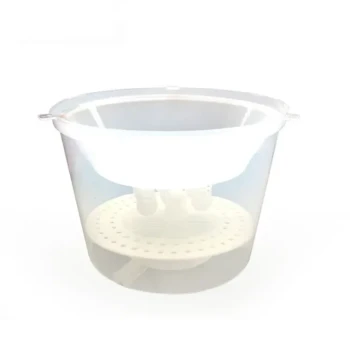
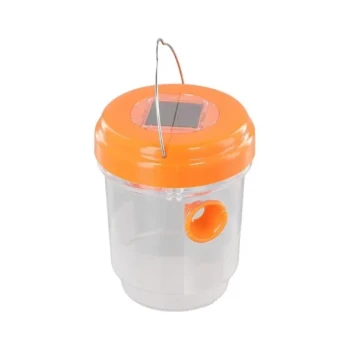
High-rigidity polypropylene (PP) injection molding is preferred for wax moth traps because it delivers a critical combination of structural stability, biological resistance, and chemical safety. This material and manufacturing method ensure the traps can withstand harsh outdoor elements and aggressive hive activity without releasing substances that could harm the delicate metabolism of the bee colony.
In apiary management, the failure of a component can compromise the entire hive; high-rigidity PP is the standard because it remains physically intact against biological attacks while maintaining the chemical neutrality required for bee health.
Physical Durability in the Apiary
Withstanding Harsh Environments
Apiary equipment is constantly exposed to the elements. High-rigidity polypropylene is selected specifically for its ability to withstand harsh outdoor weather conditions. It maintains structural stability despite fluctuations in temperature and exposure to moisture, ensuring the trap functions correctly season after season.
Resistance to Biological Damage
Inside the hive, the environment is biologically aggressive. Honeybees will bite foreign objects, and the target pest—the wax moth larva (Galleria mellonella)—is known for chewing through weaker materials. High-rigidity PP provides the necessary hardness and impact resistance to prevent damage from both bee biting and larval activity.
Chemical Safety and Colony Health
The Importance of Inert Materials
Material selection in beekeeping is not just about durability; it is about toxicity. High-rigidity PP is chemically inert. This property is vital because it ensures the trap does not leach or release chemicals into the hive environment.
Protecting Bee Metabolism
The introduction of foreign chemical substances can disrupt the complex biological processes of a hive. Using high-rigidity PP ensures that the trap does not interfere with the metabolism of the bee colony. This neutrality allows beekeepers to manage pests without inadvertently poisoning or stressing the bees they are trying to protect.
Understanding the Trade-offs
Specificity vs. Availability
While generic plastics are abundant and potentially cheaper, they often lack the specific rigidity required to resist Galleria mellonella larvae. Choosing high-rigidity PP specifically for injection molding limits material options to those that meet strict "high-rigidity" specifications. This ensures performance but requires strict adherence to material sourcing standards to avoid utilizing softer grades of PP that would fail under biological attack.
Making the Right Choice for Your Goal
When selecting materials for apiary pest control devices, your priority dictates your material choice:
- If your primary focus is equipment longevity: Select high-rigidity PP to ensure the traps resist physical degradation from weather and biological chewing.
- If your primary focus is colony safety: Rely on this material for its chemically inert properties to prevent metabolic interference within the hive.
High-rigidity polypropylene represents the intersection of industrial durability and biological safety, making it the definitive choice for mass-producing effective wax moth traps.
Summary Table:
| Feature | High-Rigidity PP Benefit | Impact on Apiary Performance |
|---|---|---|
| Physical Durability | High impact & bite resistance | Prevents damage from bees and wax moth larvae. |
| Chemical Safety | Chemically inert material | Zero leaching; protects delicate bee metabolism. |
| Weather Resistance | UV and temperature stability | Maintains structural integrity in harsh outdoor conditions. |
| Manufacturing | Optimized for injection molding | Ensures consistent quality and precision for mass production. |
Elevate Your Apiary Success with HONESTBEE
At HONESTBEE, we specialize in empowering commercial apiaries and global distributors with professional-grade beekeeping solutions. Our high-rigidity PP wax moth traps are engineered to withstand biological attacks while ensuring the absolute safety of your colonies.
Beyond traps, we provide a comprehensive wholesale portfolio, including:
- Precision Machinery: Hive-making and honey-filling equipment.
- Durable Hardware: The full spectrum of beekeeping tools and hive components.
- Industry Consumables: Essential supplies for large-scale operations.
- Cultural Merchandise: Unique honey-themed retail products.
Partner with a supplier that understands the balance between industrial durability and biological safety. Contact us today to discuss our wholesale offerings and how we can support your business growth!
References
- Bo Han, Pingli Dai. Greater wax moth control in apiaries can be improved by combining Bacillus thuringiensis and entrapments. DOI: 10.1038/s41467-023-42946-4
This article is also based on technical information from HonestBee Knowledge Base .
Related Products
- Professional Bucket Style Wasp and Moth Pheromone Trap
- Compact Multi-Funnel Hanging Wasp Trap
- Gourd Shaped Hanging Wasp Trap Professional Wasp Catcher
- Professional Multi-Component Bucket Wasp Trap
- Reusable Wasp Trap Bottle Converter
People Also Ask
- What is the function of Pheromone Traps in the biosecurity monitoring of apiaries? Precision Tools for Pest Control
- What role do Pheromone Traps play in the IPM for Large African Hive Beetles? Essential Surveillance & Control Tips
- How do professional wasp traps function? Master Physical Control of Oriental Hornets to Protect Your Apiary
- What are the practical advantages of using professional wasp traps and protective equipment in apiary management? Scale Up
- Why replace sugar syrup bait in wasp traps every three days? Ensure Maximum Attraction and Catch Rates