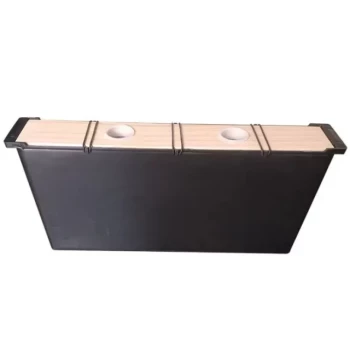
Hive hydration is a core colony-management responsibility, not an optional convenience. Honeybees need clean water to dilute stored honey for brood feeding and consumption, and they use it for evaporative cooling when hive temperatures rise. Apiaries should provide a dedicated, safe water source near the hives so bees can meet these needs without visiting contaminated pools, agricultural runoff, or other unwanted locations.
The practical priority is controlled access to clean water. A nearby watering station supports feeding, thermoregulation, and efficient foraging, while shallow landing areas, floats, pebbles, or other safety features prevent bees from drowning.
Why Water Matters Inside the Hive
Diluting Stored Honey
Bees use water to dilute stored honey before it can be consumed or used for brood feeding. A reliable water supply therefore supports normal colony nutrition, particularly when the colony is actively raising brood.
Regulating Hive Temperature
During hot weather, worker bees distribute collected water inside the hive and fan their wings across it. This evaporative cooling helps stabilize the hive’s internal climate and protects brood and adult bees from excessive heat.
Supporting Efficient Foraging
A water source positioned close to the hive reduces the distance and energy required for water collection. This allows foragers to devote more effort to nectar and pollen collection instead of traveling to distant or unreliable sources.
Why Apiaries Need Dedicated Watering Stations
Preventing Unwanted Foraging
If no managed water source is available, bees may visit swimming pools, puddles, livestock containers, or urban drainage areas. These locations can expose colonies to cleaning chemicals, pesticides, agricultural runoff, and other contaminants.
Reducing Colony Stress
Water demand can increase substantially during hot, dry weather. A consistent supply near the hive helps prevent interruptions in thermoregulation and reduces the risk that bees will waste energy searching for water.
Establishing the Location Early
Bees quickly develop foraging preferences. Installing the watering station before colonies become established, or before seasonal water demand increases, helps encourage them to use the intended source rather than nearby alternatives.
Positioning the Equipment
Place watering equipment within approximately 50 feet of the hive boxes where practical. The source should be easy for bees to locate, stable in changing weather, and positioned so spilled water does not create muddy or unsanitary conditions around the apiary.
Suitable Watering Equipment Options
Rapid Top Feeders Filled With Water
A rapid top feeder can be filled with fresh water and placed directly on the hive. This option provides a compact, protected supply and can be practical for beekeepers who already use compatible feeder equipment.
The feeder should include an internal safety design, such as a float or protected access area, to reduce the possibility of drowning. Water must be monitored and replaced regularly to maintain cleanliness.
Poultry-Style Watering Containers
Poultry-style drinkers can serve as simple, scalable watering stations for apiaries. Their reservoirs provide a readily available supply, while the tray can be fitted with gravel or clean pebbles to create safe footholds.
The stones should remain above the water line and leave enough accessible surface for bees to drink. Containers also need regular cleaning because stagnant water and organic buildup can undermine the purpose of the station.
Custom Bucket Systems
Custom buckets offer flexibility for apiaries that need larger capacity or a tailored layout. Perimeter drainage holes can regulate the water level, while floating landing materials, such as foam pellets, provide bees with stable surfaces from which to collect water.
The design should prevent bees from becoming trapped against the sides or submerged beneath the floating material. Any custom system should be tested for stability, leakage, ease of cleaning, and safe access before deployment across multiple hives.
Open Pans and Birdbaths With Safety Platforms
Open pans and birdbaths can work when fitted with floating cork, foam platforms, gravel, or pebbles. These additions are essential because bees cannot swim effectively and can drown in even a shallow-looking container without secure landing areas.
Open equipment is more exposed to debris, evaporation, and contamination than protected feeders. It may therefore require more frequent inspection and water replacement, especially in hot weather.
What Makes Apiary Watering Equipment Effective?
Clean, Replaceable Water
Use fresh water and establish a practical cleaning and refill routine. The most sophisticated dispenser is unsuitable if its water becomes stagnant, dirty, or contaminated.
Safe Landing Surfaces
Every watering system should provide a shallow drinking zone or floating perch. Bees need a stable surface that allows them to reach the water without falling in.
Appropriate Capacity
Choose capacity according to colony count, local temperature, and expected refill frequency. A small container may suit a hobby apiary, while distributors and commercial beekeepers may need standardized, higher-capacity units for efficient multi-hive deployment.
Reliable Placement
Equipment should remain upright, accessible, and protected from accidental disturbance. It should also be located close enough to the hives to attract bees without obstructing inspections, vehicle movement, or routine apiary maintenance.
Understanding the Trade-offs
Internal Versus External Watering
A top feeder keeps water close to the colony and can reduce exposure to outside contaminants. However, it may require opening or disturbing the hive, and compatibility with the hive configuration must be confirmed.
External containers are easier to inspect, refill, and service across many colonies. They are also more exposed to weather, wildlife, debris, and temperature fluctuations.
Capacity Versus Serviceability
Larger reservoirs reduce refill frequency, which can improve labor efficiency for commercial apiaries. They may also be heavier, harder to clean, and more difficult to reposition.
A distributor’s product range should therefore include compact units for small apiaries and robust, serviceable systems for larger operations rather than relying on one universal format.
Open Access Versus Protection
Open pans are inexpensive and adaptable, but they require careful drowning prevention and more frequent sanitation. Protected feeders can offer better control, but they may have higher acquisition costs or more specialized maintenance requirements.
Watering Equipment Is Not Complete Hive Management
Water availability supports colony health but does not replace ventilation, inspection, disease monitoring, pest control, or appropriate hive hardware. In cold weather, adequate ventilation is particularly important because excess humidity can condense above the cluster and create additional colony stress.
Common Pitfalls to Avoid
Providing Water Too Late
Waiting until bees have already adopted a pool, puddle, or other water source can make behavioral redirection more difficult. Install and maintain the station before peak demand begins.
Using Deep, Unprotected Containers
A deep bucket or smooth-sided tub without floating material creates a drowning hazard. Every open-water design needs stable platforms, pebbles, or another method that keeps bees above the water surface.
Neglecting Sanitation
Watering stations can accumulate algae, debris, dead insects, and organic residue. A documented cleaning and refill schedule is essential for distributors, resellers, and apiary operators managing repeat installations.
Choosing Equipment Without Considering Fulfillment
For B2B buyers, product quality includes availability, replacement components, packaging, delivery speed, and customer support. A reliable supplier should be able to provide compatible equipment across multiple apiary sizes and respond quickly when seasonal demand rises.
How to Apply This to Your Apiary or Product Portfolio
The best choice depends on colony scale, climate, servicing capacity, and whether the priority is internal hive access or an external watering point.
- If your primary focus is colony health: Choose a clean, nearby water source with shallow landing areas or floating safety surfaces, and maintain it consistently.
- If your primary focus is drowning prevention: Select top feeders with internal safety features or external containers fitted with pebbles, cork, or floating platforms.
- If your primary focus is commercial apiary efficiency: Standardize durable, easy-to-clean watering units in suitable capacities and place them within approximately 50 feet of the hives.
- If your primary focus is wholesale or resale value: Build a full-spectrum offering around watering containers, top feeders, safety floats, replacement parts, and responsive technical support.
- If your primary focus is rapid seasonal deployment: Work with a supplier that combines dependable stock, fast order fulfillment, and clear guidance on equipment selection.
With the right equipment and maintenance routine, managed hive hydration becomes a dependable foundation for colony nutrition, temperature control, and efficient apiary operations.
Summary Table:
| Equipment | Pros | Cons | Best For |
|---|---|---|---|
| Rapid Top Feeders | Compact, protected, internal access | May disturb hive, compatibility needed | Beekeepers with existing feeders |
| Poultry-Style Drinkers | Simple, scalable, safe with pebbles | Regular cleaning, potential stagnation | Small to medium apiaries |
| Custom Bucket Systems | Flexible, large capacity, tailored | Requires design, testing | Larger operations, specific needs |
| Open Pans & Birdbaths | Inexpensive, adaptable | Drowning risk without safety, frequent maintenance | Hobbyists with careful monitoring |
Ensure your bees stay hydrated and healthy with our reliable watering solutions. From top feeders to poultry drinkers, HONESTBEE offers a full range of beekeeping equipment designed for efficiency and safety. As a leading wholesale supplier, we provide rapid delivery, OEM/ODM support, and expert guidance to help you manage thriving apiaries. Contact us today to find the perfect watering system for your operation and benefit from our comprehensive product portfolio and dedicated service.
Related Products
- 3.5L Plastic Beehive Frame Feeder Deep Frame Water Feeder for In Hive Use
- HONESTBEE Professional Mini J-Hook Hive Tool for Beekeeping
- Ergonomic Two Person Foldable Hive Lifter
- Premium Comfort Grip Spring-Loaded Hive Handles
- HONESTBEE Premium Italian Style Hive Tool with Hardwood Handle
People Also Ask
- What are the technical advantages of using frame feeders for beehives? Maximize Efficiency and Colony Survival
- Can plastic frames be used in any type of beehive? Maximize Your Apiary Efficiency with Durable Solutions
- What are the technical functions and design requirements of plastic feeders? High-Performance Sourcing for Distributors
- What are the advantages of feeding bees inside the hive? Top Benefits for Colony Security and Health
- Are plastic bee hive frames good? A Guide to Modern Durability vs. Natural Appeal