Industrial drying equipment acts as the critical barrier against spoilage. By utilizing controlled thermal treatment, this machinery reduces the water activity of fresh bee pollen from approximately 0.7 to 0.3. This drastic reduction is the primary mechanism that halts microbial growth, specifically yeasts and molds, ensuring the product remains chemically stable and safe for consumption.
While fresh bee pollen is nutrient-rich, its high moisture content makes it inherently unstable and prone to rapid biodegradation. Industrial drying is the definitive solution for reducing water activity to preserve the pollen's biological integrity and sensory profile over a long shelf life.
The Mechanics of Stabilization
Controlling Water Activity
Freshly collected bee pollen is highly susceptible to biodegradation due to its high moisture content. The core function of industrial drying is to rapidly remove this excess moisture.
By lowering the water activity to a specific target of 0.3, the equipment eliminates the environment required for microbial survival. This directly prevents the proliferation of dangerous molds and bacteria during storage.
Preserving Sensory Characteristics
Beyond safety, stability implies consistency. Proper drying ensures that the chemical composition of the pollen does not deteriorate.
This process maintains the pollen's original sensory characteristics, ensuring that the flavor, texture, and aroma remain consistent from the processing plant to the consumer.
Preserving Bioactive Integrity
Protecting Heat-Sensitive Compounds
Bee pollen is valued for its rich profile of heat-sensitive bioactive components, including enzymes, vitamins, and amino acids.
Specialized drying equipment is designed to operate within safe temperature ranges. This preservation capability ensures that the physical integrity of the pollen is maintained for both research analysis and commercial medicinal use.
Concentration of Nutrients
Research indicates that proper dehydration technology does more than just preserve; it can enhance the product.
The drying process effectively concentrates antioxidant substances. By removing water weight, the relative potency of these beneficial compounds is increased to a certain extent.
The Role of Convective Technology
Uniform Thermal Fields
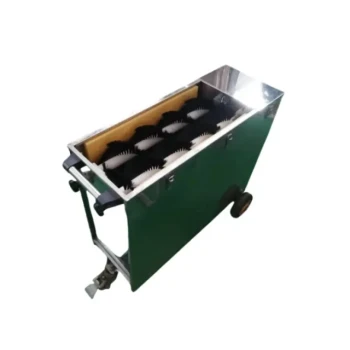
Industrial convective drying equipment is frequently employed to create a uniform thermal field.
By circulating a heat transfer medium—typically heated air—this equipment ensures that every granule of pollen is exposed to consistent drying conditions. This prevents uneven moisture pockets that could lead to localized spoilage.
Balancing Cost and Efficiency
For small and medium-sized agricultural processing enterprises, convective drying represents a core strategic choice.
It offers a high level of production efficiency while maintaining relatively low equipment costs. This balance makes professional-grade stabilization accessible without requiring prohibitive capital investment.
The Critical Trade-off: Temperature Sensitivity
The Risks of Overheating
While drying is essential, it presents a significant risk if not managed with precision. Excessive heat is destructive to the pollen's nutritional profile.
High temperatures can significantly reduce the levels of sugars and proteins. Furthermore, it degrades free sulfhydryl groups, which are active amino acids critical to the pollen's quality.
The Necessity of Precision Control
Industrial equipment must offer precise temperature management capabilities to mitigate these risks.
The goal is to achieve the necessary water activity reduction without crossing the thermal threshold that destroys biological activity. Accurate management is non-negotiable for producing high-quality nutritional products.
Optimizing Your Processing Strategy
To ensure product stability while maintaining quality, align your equipment usage with your specific processing goals:
- If your primary focus is Maximum Shelf Life: Prioritize equipment that can reliably and rapidly reduce water activity to 0.3 to completely inhibit yeast and mold growth.
- If your primary focus is Nutrient Retention: Ensure your system offers precise temperature modulation to protect heat-sensitive enzymes, sugars, and free sulfhydryl groups from thermal degradation.
- If your primary focus is Operational Efficiency: Utilize convective drying systems to achieve a uniform thermal field, balancing high throughput with manageable investment costs.
The most effective stabilization strategy relies not just on removing water, but on precisely controlling the thermal environment to protect the biological value of the pollen.
Summary Table:
| Feature | Impact on Bee Pollen Stability | Key Benefit |
|---|---|---|
| Moisture Reduction | Lowers water activity from 0.7 to 0.3 | Halts microbial, yeast, and mold growth |
| Temperature Control | Protects heat-sensitive enzymes & vitamins | Preserves bioactive integrity and potency |
| Convective Technology | Creates a uniform thermal field | Prevents localized spoilage and uneven drying |
| Nutrient Concentration | Increases relative antioxidant density | Enhances the nutritional value of the final product |
| Sensory Preservation | Maintains original flavor and aroma profiles | Ensures consistent product quality for consumers |
Maximize Your Harvest's Value with HONESTBEE Professional Solutions
At HONESTBEE, we understand that for commercial apiaries and honey product distributors, quality is synonymous with stability. Our comprehensive range of beekeeping machinery, including precision industrial drying equipment and honey-filling machines, is designed to protect the delicate bioactive profile of your bee products while ensuring a long, stable shelf life.
Whether you are looking to scale your production or upgrade your processing efficiency, HONESTBEE provides the full spectrum of beekeeping tools and essential consumables to help your business thrive. Partner with us to access high-performance hardware and honey-themed cultural merchandise tailored for the global market.
Ready to elevate your bee pollen processing?
Contact HONESTBEE Today for a Wholesale Quote
References
- Katarina Šimunović, Sonja Smole Možina. MICROBIOLOGICAL QUALITY, ANTIOXIDATIVE AND ANTIMICROBIAL PROPERTIES OF SLOVENIAN BEE POLLEN. DOI: 10.7251/agreng1901082s
This article is also based on technical information from HonestBee Knowledge Base .
Related Products
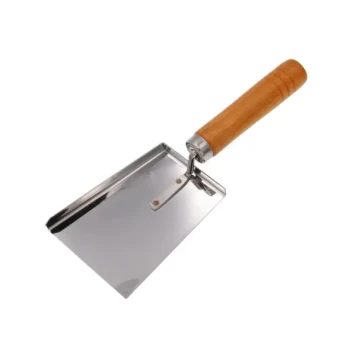
- Stainless Steel Pollen Shovel with Wooden Handle
- Heavy-Duty Ergonomic Grip Galvanized Pollen Shovel
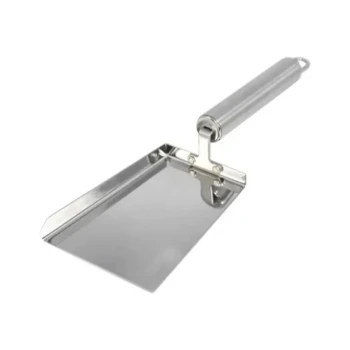
- Heavy-Duty Ergonomic Stainless Steel Pollen Shovel
- Plastic Bee Pollen Trap Strips Comb Catcher Collector
- Removable Plastic Pollen Trap With Ventilated Tray for Bees Pollen Collector
People Also Ask
- How do bee pollen collection tools affect the quality of bee pollen used in functional dairy ice cream production?
- Why should commercial apiaries focus on the collection of diversified bee products? Maximize Your Hive’s Profit Potential
- How does a specialized pollen collector facilitate the harvesting of diverse bee products? Automate High-Value Yields
- What is the impact of pollen collectors and associated equipment on the cost structure of pollen production? Maximize ROI
- What is the technical significance of using specialized cutting tools for propolis? Master Precision Pollen Harvesting