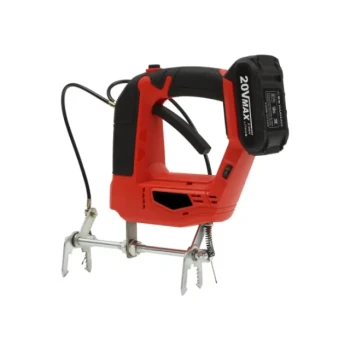
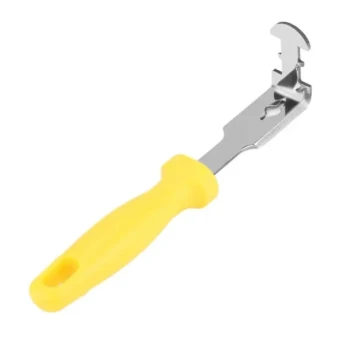
Industrial-grade beehive disinfection equipment is the only reliable solution for neutralizing the highly resilient spores that cause honeybee Nosemosis. These specialized systems, including high-temperature steam sterilizers and chemical fumigation devices, are engineered to penetrate porous hive materials and kill pathogens that manual cleaning fails to reach. By thoroughly sanitizing frames and tools, this equipment physically severs the horizontal transmission pathways that lead to colony collapse and cross-regional outbreaks.
Professional disinfection hardware is a cornerstone of modern apiary biosafety, transforming disease management from a reactive struggle into a proactive, scalable prevention strategy. For commercial beekeeping operations, these systems are essential for maintaining colony health and ensuring the long-term viability of hive assets.
The Biological Necessity of Advanced Disinfection
Extreme Environmental Resilience of Nosema Spores
Nosema spores are notoriously difficult to eradicate because they can survive on contaminated beekeeping gear for several years. Standard washing or simple soap-and-water treatments are insufficient against their protective outer layers. Industrial-grade equipment utilizes high-pressure hot water and steam circulation to ensure that every surface is heated to the exact point of pathogen death.
Mechanical Transmission Through Hardware
Beekeeping tools, frames, and hive bodies act as primary vectors for disease when moved between colonies or apiaries. This mechanical transmission can lead to rapid cross-infection, especially in dense or large-scale populations. Professional cleaning equipment removes not only the pathogens but also residual wax debris and pests, ensuring a sterile baseline for the next colony.
Managing Horizontal Transmission Paths
Industrial disinfection is the most effective technical step in cutting off the horizontal transmission path of spores within an apiary. By disinfecting hives abandoned due to disease or absconding, beekeepers prevent new colonies from being immediately exposed to old infections. This process is critical for improving the survival rates of overwintering honeybee colonies.
Enhancing Operational Efficiency and Biosafety
Automated Systems for Large-Scale Operations
For distributors and large-scale apiaries, automated cleaning systems provide a hardware-based safeguard against cross-regional disease transmission. These systems allow for the rapid processing of thousands of frames, which is impossible to achieve manually with the same level of consistency. Automation ensures that every piece of equipment meets a uniform standard of hygiene before reuse.
Improving Colony Acceptance and Hive Reuse
Beyond disease prevention, industrial cleaning removes residual alarm pheromones left behind by previous colonies. This makes the internal environment of the beehive more attractive and safer for new bees, significantly improving colonization rates. High-quality disinfection ensures that the investment in hive hardware is protected through many years of service.
Integrating Humidity Control in Design
Advanced hive components, such as ventilated bottom boards, complement disinfection equipment by reducing internal humidity. High humidity significantly increases Nosemosis infection rates and promotes spore survival. Combining professional disinfection with well-designed, ventilated hardware creates a comprehensive biosecurity system that inhibits disease from the source.
Understanding the Trade-offs and Potential Pitfalls
Capital Investment vs. Long-term Loss
The primary trade-off for professional disinfection equipment is the initial capital expenditure required for industrial-grade machinery. However, this cost must be weighed against the catastrophic financial loss of losing entire apiaries to preventable infections. For distributors, providing these high-value assets positions them as essential partners in their clients' risk management strategies.
Material Degradation from Intensive Sanitization
Repeated exposure to high-pressure steam or harsh chemical fumigants can accelerate the wear and tear on wooden hive components. Metal and high-density plastic components generally fare better under these conditions than traditional softwoods. It is vital to balance the intensity of the disinfection cycle with the durability of the materials being treated to maximize equipment lifespan.
Making the Right Choice for Your Goal
When selecting or distributing disinfection solutions, the primary focus should align with the specific operational scale and biosecurity requirements of the end-user.
- If your primary focus is large-scale commercial beekeeping: Invest in automated, high-pressure steam circulation systems to ensure rapid, consistent sanitization of high volumes of equipment.
- If your primary focus is high-value queen rearing or breeding: Prioritize chemical fumigation devices that offer deep penetration into porous materials without the structural stress of high-heat steam.
- If your primary focus is maximizing equipment lifespan and reuse: Focus on integrated systems that combine physical cleaning with mild, targeted disinfectants to preserve the integrity of hive hardware.
By implementing industrial-grade disinfection protocols, beekeeping professionals can effectively safeguard their colonies against the persistent threat of Nosemosis and other infectious diseases.
Summary Table:
| Feature | Manual Cleaning | Industrial-Grade Equipment |
|---|---|---|
| Pathogen Elimination | Surface level only; spores persist | High-pressure steam/heat kills dormant spores |
| Transmission Control | High risk of mechanical spread | Severs horizontal transmission pathways |
| Processing Speed | Slow, labor-intensive | Automated, high-volume throughput |
| Hive Health | Residual alarm pheromones remain | Neutralizes pheromones; improves acceptance |
| Hardware Lifespan | Lower stress on wood | Requires heat-resistant or high-density materials |
Scale Your Biosecurity with HONESTBEE Solutions
Partner with HONESTBEE to fortify your beekeeping supply chain. As a premier one-stop sourcing partner for commercial apiaries and B2B distributors, we provide a full spectrum of professional equipment—from industrial-grade hive disinfection machinery and automated honey-filling systems to high-quality consumables and hive-making hardware.
Why Choose HONESTBEE?
- Comprehensive Portfolio: Full access to specialized hardware and industry consumables.
- Rapid Response: Dedicated customer service with deep professional expertise.
- Efficient Fulfillment: Ultra-fast delivery to keep your operations running smoothly.
Boost your profit margins and offer your clients industry-leading biosafety standards. Contact our wholesale team today to explore our complete catalog and customized OEM/ODM support!
References
- Берик Сатыбаев, Elvira Mendybayeva. NOSEMOSIS OF HONEY BEES IN WEST KAZAKHSTAN REGION. DOI: 10.52578/2305-9397-2025-2-1-54-61
This article is also based on technical information from HonestBee Knowledge Base .
Related Products
- Professional Stainless Steel Pry-Bar Hive Tool
- Professional Reversible Beehive Hive Entrance
- Commercial Grade Vertical Electric Bee Sweeper for Bee Removal
- Steel Round Disc Entrance Reducer for Flexzion Bee Hive Nuc Box Gate
- Heavy Duty Manual Bee Smoker Blower for Beekeeping
People Also Ask
- Which technical challenges in hive maintenance are addressed by using a professional stainless steel hive tool?
- What is the function of a professional stainless steel hive tool in IFB? Optimize Your Colony Strength Assessment
- What are the primary functions of a stainless steel hive tool? Essential Tips for Efficient Apiary Maintenance
- What are the primary functions of a stainless steel hive tool? Essential Equipment for Professional Beekeeping
- What is the role of professional hive tools in routine apiary maintenance? Expert Tips for Hive Health and Longevity