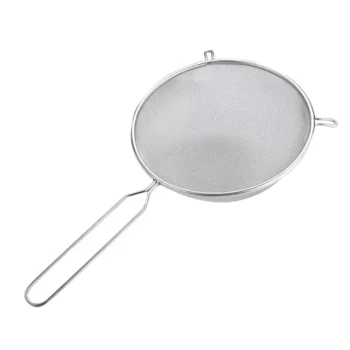
Industrial-grade stainless steel is the gold standard for honey processing because it provides a chemically inert surface capable of withstanding honey's natural acidity (pH 3.2–4.5). Unlike ordinary metals, it prevents electrochemical reactions that lead to corrosion and the leaching of heavy metals, ensuring the product remains safe for consumption. Additionally, its smooth, non-porous surface facilitates the rigorous cleaning and disinfection protocols required by Good Beekeeping Practices (GAP).
By eliminating the risk of acid corrosion and metal leaching, industrial-grade stainless steel ensures honey retains its natural purity and chemical stability. This material choice is not just about durability; it is a critical requirement for meeting export safety standards and preserving the product's high commercial value.
The Chemistry of Honey and Metal Interaction
Resisting Acid Corrosion
Natural honey is inherently acidic, with pH values typically ranging from 3.2 to 4.5. This environment is aggressive enough to corrode ordinary metal containers over time.
Industrial-grade stainless steel is specifically engineered to resist this acidity. It remains stable during prolonged contact, preventing the degradation of the equipment and the contamination of the product.
Preventing Heavy Metal Leaching
When honey interacts with reactive metals, electrochemical reactions can occur. This process can cause the leaching of elements such as chromium and zinc into the honey.
Using industrial-grade stainless steel creates a barrier against these reactions. This ensures that heavy metal levels remain unaffected, preserving the chemical purity of the honey and protecting consumer health.
Hygiene and Operational Efficiency
Superior Cleanability
Sanitation is paramount in food processing. The surface of industrial-grade stainless steel is exceptionally smooth.
This prevents honey residues, beeswax, or impurities from adhering stubbornly to the equipment. It allows for effective cleaning and disinfection, minimizing the risk of bacterial growth or cross-contamination between batches.
Standardized Measurement and Filtration
High-precision filling requires equipment that maintains its physical integrity under pressure and constant use. Stainless steel components allow for the integration of precision filtration systems.
These systems remove physical impurities—such as beeswax residues and larval remains—without altering the honey's nutritional profile. This results in a clear, transparent product that retains its natural enzyme values.
Meeting International Market Standards
Compliance with Global Regulations
For apiaries aiming to export, meeting international safety standards is non-negotiable. Many global markets reject honey with elevated heavy metal content or impurities.
Equipment made from industrial-grade stainless steel ensures compliance with these strict regulations. It aligns production with Good Beekeeping Practices (GAP), transforming raw honey into a compliant, export-ready commodity.
Elevating Commercial Competitiveness
Using standardized, high-quality equipment shifts the product from a low-value raw material to a high-value retail good.
Stainless steel equipment supports sterile bottling and precise packaging. This improves shelf life and product appearance, both of which are critical for establishing a premium brand position in competitive terminal markets.
Critical Considerations for Material Selection
The "Industrial Grade" Distinction
Not all stainless steel is created equal. It is vital to verify that the equipment is truly "industrial grade" (often referring to specific food-grade series like 304 or 316).
Lower-grade alloys may look similar but lack the specific corrosion resistance required for acidic food products. Using inferior steel can lead to the very pitting and leaching issues you are trying to avoid.
Investment vs. Long-term Value
High-quality stainless steel represents a higher initial capital expenditure compared to plastic or lesser metals.
However, this cost must be weighed against the risk of product spoilage and rejected exports. The longevity of stainless steel and its ability to maintain product purity makes it a necessary investment for any operation scaling beyond hobbyist levels.
Making the Right Choice for Your Processing Line
Depending on your specific operational goals, the role of stainless steel varies slightly in importance:
- If your primary focus is export compliance: Prioritize stainless steel to strictly prevent heavy metal leaching (zinc/chromium) and meet international food safety regulations.
- If your primary focus is product quality: Rely on stainless steel filtration systems to remove physical impurities while preserving natural enzymes and nutrient values.
- If your primary focus is operational scale: Invest in stainless steel for its durability and ease of disinfection, which supports high-volume, automated bottling workflows.
Adopting industrial-grade stainless steel is the definitive step in transitioning from raw honey harvesting to high-value, commercial food production.
Summary Table:
| Feature | Benefit for Honey Processing | Impact on Quality |
|---|---|---|
| Acid Resistance | Withstands honey's low pH (3.2–4.5) | Prevents corrosion and metal leaching |
| Non-Porous Surface | Facilitates rigorous cleaning/disinfection | Minimizes bacterial risk and contamination |
| Chemical Stability | Chemically inert material | Preserves natural flavor and enzyme values |
| Durability | High-pressure/volume resistance | Supports long-term automated bottling lines |
| Regulatory Alignment | Meets international GAP standards | Enables global export and premium branding |
Elevate Your Honey Production with HONESTBEE
At HONESTBEE, we specialize in empowering commercial apiaries and distributors with premium, food-grade processing solutions. Our comprehensive wholesale catalog includes:
- High-Precision Machinery: Industrial-grade stainless steel honey-filling and hive-making machines.
- Advanced Filtration: Systems designed to remove impurities while preserving nutritional integrity.
- Full Spectrum Equipment: From professional beekeeping tools to essential industry consumables.
Whether you are scaling your operation for international export or seeking to enhance your brand's market value, our durable hardware ensures your honey meets the highest safety standards.
Ready to upgrade your processing line? Contact our experts today to discuss our wholesale offerings and customized equipment solutions.
References
- Selma Kunić. THE CONTENT OF HEAVY METALS IN HONEY AS INDICATORS OF POLLUTANTS. DOI: 10.51558/2232-7568.2023.17.1.3
This article is also based on technical information from HonestBee Knowledge Base .
Related Products
- Automatic Honey Filling and Filtering Machine for Beekeeping Bottle Filling
- Double Nozzle Small Honey Filling Machine Honey Sachet Packing Packaging Equipment
- Small Honey Filling Machine Sachet Packing Equipment Single Nozzle
- Manual Honey Filling Machine Bottling Machine for Honey
- Precision Durable Efficient HONESTBEE Rotary Honey Filling Machine
People Also Ask
- What process advantages do professional honey filtering and filling machines provide? Optimize Your Organic Honey Output
- How do honey filling and filtering machines increase product value? Turn Raw Honey into Premium Export-Grade Goods
- How do honey filtration and filling machinery contribute to industrialization? Scale Your Commercial Honey Production
- What specific issues do industrial filtration and automated filling machinery address? Ensure Honey Quality & Compliance
- How does the use of professional honey filtration and filling machinery facilitate international honey exports?