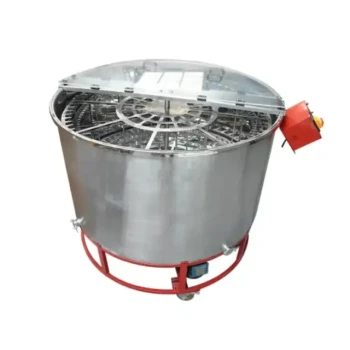
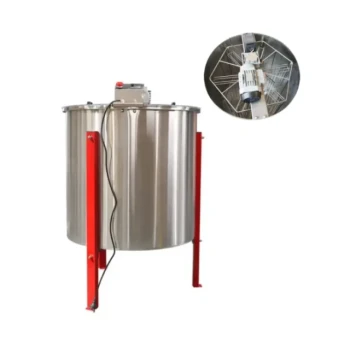
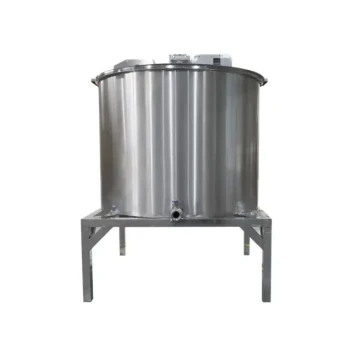
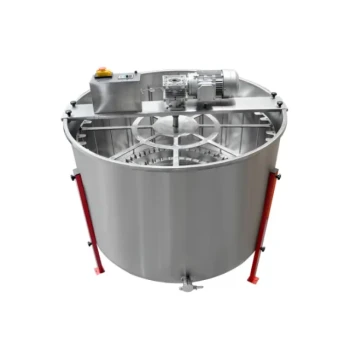
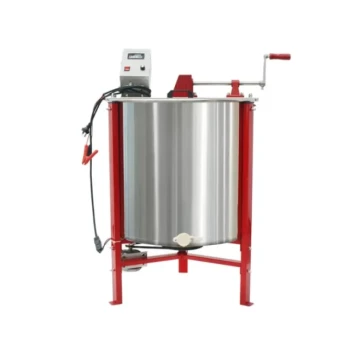
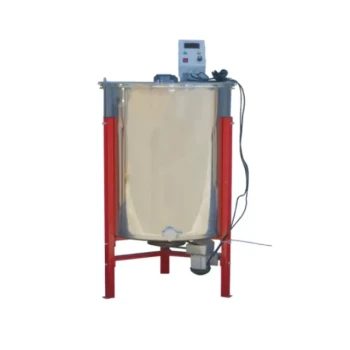
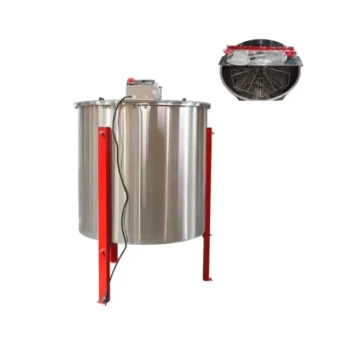
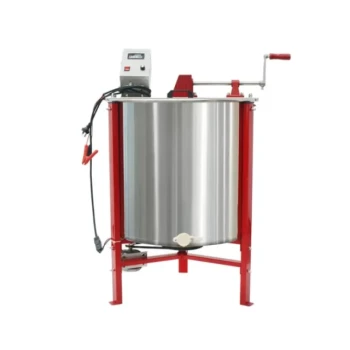
The primary technical advantage of electric honey extractors is the utilization of motor-driven centrifugal force to automate the separation process. Unlike manual methods that rely on physical cranking or destructive crushing, electric extractors offer precise speed regulation. This capability maximizes honey removal efficiency while critically preserving the structural integrity of the honeycomb for future reuse.
Core Takeaway: Manual extraction is labor-intensive and often risks damaging delicate wax combs, forcing bees to waste energy rebuilding them. Electric extraction solves this by automating the process to increase yield and efficiency while simultaneously preserving the honeycomb structure and the honey's natural volatile compounds.
Increasing Production Efficiency and Yield
The transition from manual to electric extraction is primarily driven by the need to decouple labor hours from harvest volume.
Eliminating Physical Constraints
Manual extraction relies on the physical endurance of the operator. Electric extractors utilize consistent motor-driven rotation, significantly reducing labor intensity. This allows for continuous operation during large-scale harvesting periods without operator fatigue.
Maximizing Extraction Thoroughness
Electric motors can sustain higher and more consistent rotational speeds than hand-cranking. This generates stronger centrifugal force, pulling a higher percentage of honey from the cells. The result is a drier comb and a higher overall yield per frame.
Preserving Hive Resources and Bee Energy
Beyond simple speed, electric extractors offer a biological advantage to the hive by protecting the beeswax infrastructure.
Preventing Mechanical Damage
Manual methods, particularly crushing or inconsistent hand-cranking, often damage the wax comb. Electric extractors allow for precise control of rotation speeds. Operators can start slowly to remove heavy honey without blowing out the comb, then ramp up speed for a final spin, ensuring the comb remains intact.
The Energy Cycle Benefit
Because the extraction process is non-destructive, the empty honeycombs can be returned to the hive and reused. This saves the colony the immense amount of energy and time required to secrete new wax. Consequently, bees can focus immediately on foraging and honey production, shortening the production cycle.
Enhancing Hygiene and Flavor Profiles
Electric extraction minimizes the honey's exposure to external factors, preserving its status as a premium product.
Closed-Loop Sanitation
Advanced electric systems often operate within closed chambers or utilize vacuum collection systems. This reduces the risk of introducing impurities or contaminants that occur during open-air manual processing. It ensures the final product meets higher hygiene standards required for commercial distribution.
Protecting Volatile Aromas
High-quality honey is defined by its volatile flavor compounds and floral aromas. Electric extraction is faster and reduces the time honey is exposed to the environment. This minimizes oxidation and preserves the delicate natural flavors that might otherwise be lost during a prolonged manual harvest.
Understanding the Trade-offs
While electric extractors offer superior technical performance, there are operational considerations to weigh.
Complexity and Maintenance
Electric systems introduce motors and electronic speed controllers into the workflow. Unlike simple manual cranks, these components require access to a power source and are subject to mechanical failure, requiring a maintenance schedule to ensure reliability.
Higher Initial Investment
The technology required for precise speed control and automated balance significantly increases the upfront cost compared to manual equipment. This investment is justified by labor savings and yield increases, but it represents a barrier to entry for very small operations.
Making the Right Choice for Your Operation
To leverage the technical advantages of electric extraction effectively, align your equipment choice with your specific production goals.
- If your primary focus is Commercial Scalability: Prioritize electric units with high-throughput motors to reduce labor costs and maximize the volume of honey processed per hour.
- If your primary focus is Honey Quality: Select equipment with closed-chamber designs and variable speed controls to minimize oxidation and preserve delicate floral volatile compounds.
- If your primary focus is Colony Health: Rely on the precise speed regulation of electric extractors to ensure zero damage to combs, allowing you to recycle frames and reduce the metabolic stress on your bees.
The shift to electric extraction transforms honey harvesting from a physical chore into a controlled, precision process that benefits both the producer and the colony.
Summary Table:
| Feature | Manual Extraction | Electric Extraction | Technical Advantage |
|---|---|---|---|
| Power Source | Physical Labor (Cranking) | Electric Motor | Consistent, fatigue-free operation |
| Speed Control | Inconsistent/Manual | Precision Variable Speed | Prevents comb blowout while maximizing yield |
| Honey Yield | Lower (residue left in cells) | Higher (consistent centrifugal force) | Drier combs and increased profit per frame |
| Comb Integrity | High risk of damage | High preservation rate | Allows immediate reuse by bees, saving energy |
| Hygiene | Higher exposure risk | Closed-loop systems available | Reduced oxidation and contamination risk |
Scale Your Honey Production with HONESTBEE
Transitioning to electric extraction is a critical step for commercial growth. HONESTBEE specializes in supporting commercial apiaries and distributors by providing a full spectrum of professional beekeeping machinery and tools.
Whether you need high-throughput honey-filling machines, precision electric extractors, or specialized hive-making hardware, our comprehensive wholesale offering is designed to increase your efficiency and protect your hive's resources. From heavy machinery to essential industry consumables and honey-themed cultural merchandise, we provide the tools you need to succeed in the global honey market.
Ready to upgrade your apiary's efficiency? Contact us today to explore our wholesale solutions!
References
- Hakan ADANACIOĞLU, Mustafa Kösoğlu. Arıcılık İşletmelerinin Modernizasyona Yatkınlığı: İzmir İli Örneği. DOI: 10.29185/hayuretim.669098
This article is also based on technical information from HonestBee Knowledge Base .
Related Products
- HONESTBEE 72 Frame Industrial Electric Honey Extractor for Beekeeping
- Electric 4 Frame Tangential Honey Extractor
- HONESTBEE 6 Frame Self Reversing Electric Honey Extractor for Beekeeping
- 32 Frame Commercial Electric Honey Extractor for Beekeeping and Honey Production
- Commercial Electric 12 Frame Honey Extractor Spinner Motorized Honey Extractor
People Also Ask
- What is the importance of balancing honeycomb frames within a honey extractor? Ensure Stability and Protect Machinery
- How is honey separated from the frames after they are uncapped? Efficient Extraction Methods for High Yields
- What are the main benefits of using a honey extractor? Maximize Yields and Protect Your Honeycomb
- What are the recommended methods for removing honey from the honeycomb? Top Extraction Techniques for Maximum Efficiency
- How do manual honey extractors compare to electric honey extractors? Choosing the Right Tool for Your Apiary Growth