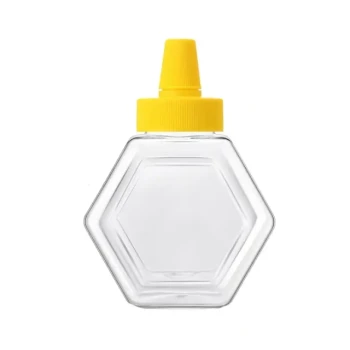
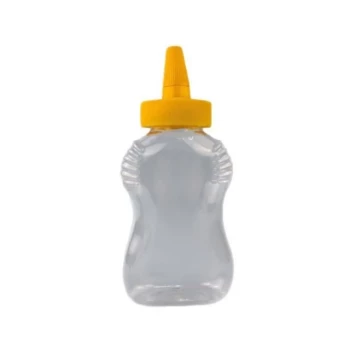
Preserving the chemical fidelity of honey is the only way to guarantee the validity of commercial analysis. Storing samples in airtight industrial containers at 4 to 5 degrees Celsius is critical because it halts enzymatic activity, prevents moisture absorption that leads to fermentation, and minimizes oxidation, ensuring the sample tested in the lab matches the product's original state.
By stabilizing the environment around the sample, you prevent chemical drift—specifically the rise of Hydroxymethylfurfural (HMF) and fermentation—ensuring that analytical results reflect the honey's actual quality rather than storage artifacts.
The Chemistry of Sample Preservation
To ensure commercial testing data is legally and scientifically valid, the honey sample must remain chemically static between extraction and analysis.
Preventing Hygroscopic Absorption
Honey is naturally hygroscopic, meaning it aggressively absorbs moisture from the surrounding environment. Without an airtight seal, humidity from the air dissolves into the honey, raising its water content.
Blocking Fermentation Risks
Once moisture levels rise, the natural balance of the honey shifts. This excess water dilutes the sugar concentration, creating an environment where dormant yeasts can activate and trigger fermentation, effectively ruining the sample before it reaches the lab.
Limiting Oxidation
Oxygen exposure degrades the bioactive compounds within honey. Airtight storage limits the sample's contact with oxygen, preventing oxidative stress that alters the honey’s physical color and flavor profile.
Controlling Thermal Degradation
Temperature control is arguably the most significant variable in honey storage. The specific range of 4 to 5 degrees Celsius is chosen to act as a metabolic brake.
Inhibiting HMF Formation
Hydroxymethylfurfural (HMF) is the primary indicator used to judge honey freshness and thermal history. HMF forms naturally as sugars break down over time, but heat accelerates this process rapidly. Keeping the sample at 4-5°C drastically slows this reaction, ensuring HMF levels reflect the honey's age, not improper storage.
Pausing Enzymatic Activity
Honey contains active enzymes, such as diastase and invertase, which are sensitive to heat. Lower temperatures inhibit these enzymatic reactions. This preserves the original chemical properties of the honey so that enzyme levels measured during testing are accurate.
Understanding Container Material Trade-offs
While the primary goal is an airtight seal and temperature control, the material of the container introduces specific variables regarding chemical purity.
Industrial-Grade Plastic vs. Glass
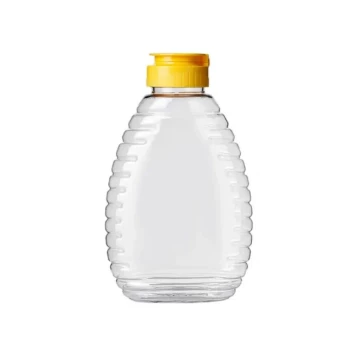
Industrial-grade plastic is the standard for general physical and chemical retention. However, for specific micro-analyses, the porosity or chemical composition of plastic can be a limiting factor.
The Importance of Chemical Inertness
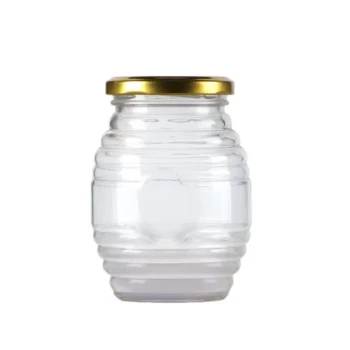
For highly sensitive tests, such as pesticide residue analysis, glass containers are often superior. Glass offers excellent chemical inertness, which prevents the migration of container materials into the honey.
Eliminating Background Interference
Using inert materials ensures that no external chemicals react with the honey components. This eliminates "background interference" in the data, ensuring that any foreign substances detected are actually present in the honey, not leached from the storage vessel.
Ensuring Data Validity in Your Workflow
The storage method you choose effectively dictates the reliability of your final certification.
- If your primary focus is Standard Quality Control: Use airtight industrial-grade plastic at 4-5°C to stabilize HMF levels and prevent fermentation.
- If your primary focus is Trace Contaminant Analysis: Prioritize airtight glass containers at controlled temperatures to prevent chemical migration and pesticide residue interference.
Proper storage is not just about preservation; it is the first step in accurate analysis.
Summary Table:
| Factor | Storage Impact at 4-5°C | Impact if Uncontrolled |
|---|---|---|
| HMF Levels | Minimal formation; reflects true age | Rapid increase; indicates false degradation |
| Moisture | Prevented by airtight seal | Absorption leads to fermentation/spoilage |
| Enzymes | Activity paused; preserves diastase | Heat causes enzymatic breakdown |
| Oxidation | Blocked; maintains color and flavor | High exposure degrades bioactive compounds |
| Chemical Purity | Inert containers prevent migration | Risk of leaching and background interference |
Elevate Your Beekeeping Standards with HONESTBEE
At HONESTBEE, we understand that precision in storage is just as vital as the harvest itself. Whether you are a commercial apiary or a distributor, we provide the industrial-grade solutions you need to maintain product integrity. From professional-grade hive-making and honey-filling machines to a comprehensive range of wholesale beekeeping tools and industry consumables, we empower your business to deliver honey of the highest chemical fidelity.
Ready to scale your production and ensure analytical excellence? Contact us today to explore our full equipment portfolio and see how our expertise can drive your success.
References
- Mohammed Moniruzzaman, Siew Hua Gan. Evaluation of physicochemical and antioxidant properties of sourwood and other Malaysian honeys: a comparison with manuka honey. DOI: 10.1186/1752-153x-7-138
This article is also based on technical information from HonestBee Knowledge Base .
Related Products
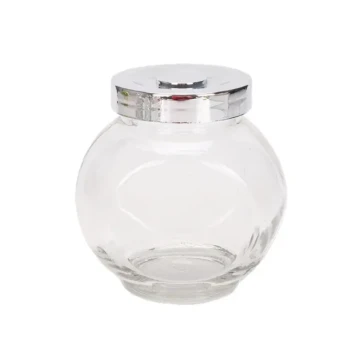
- Classic Drum Shaped Glass Honey Jar with Airtight Lid
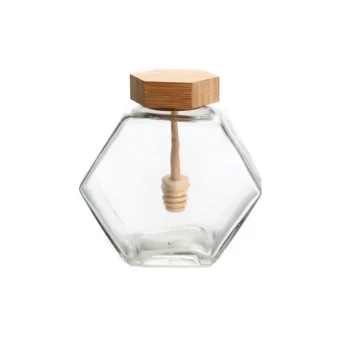
- Hexagonal Glass Honey Jar with Wooden Lid Integrated Dipper Elegant Functional Storage
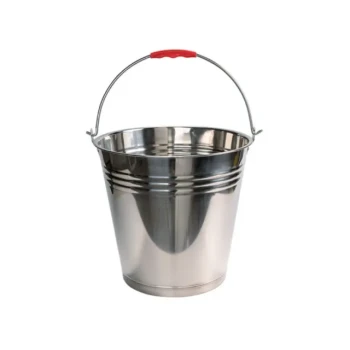
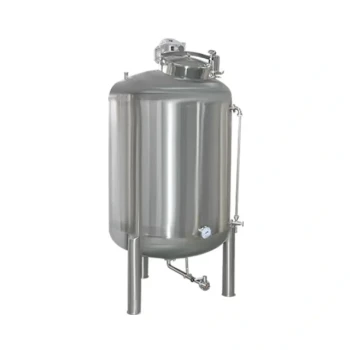
- Stainless Steel Honey Storage Tank with Lid for Honey
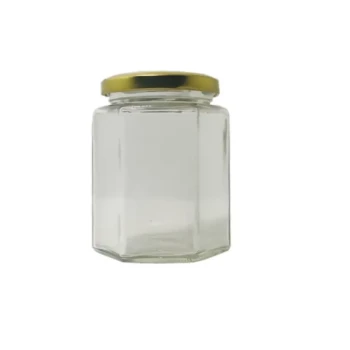
- Hexagonal Glass Honey Jars with Metal Lug Caps Elegant Versatile Packaging
- Stainless Steel Honey Storage and Settling Tank with Double Strainer
People Also Ask
- What is the best utensil to store honey? Preserve Purity with the Right Container
- How does the appearance of glass jar packaging affect the sales and perception of honey? Boost Your Premium Brand Value
- Why is a glass jar preferred for packaging honey? Ultimate Protection for Purity & Flavor
- What is the aesthetic appeal of using glass jars for honey? Elevate Your Brand with Premium Packaging
- What are the advantages of glass containers for honey? Elevate Quality and Market Value with Premium Packaging