Proper sanitation acts as the first line of defense for your colonies. Leaving feeding debris—such as packaging, foil, buckets, or used feeders—scattered around your bee yard creates an immediate vulnerability. The primary reason you must clean this up is that leftover materials inevitably attract pests to the area.
The presence of feeding residue creates a lure for opportunistic animals and insects. To maintain a secure apiary, you must remove all traces of packaging and equipment that could signal a food source to pests.
The Connection Between Debris and Pests
Identifying Problematic Materials
The primary reference highlights specific items that are often overlooked. These include packaging materials, foil wrappers, buckets, and discarded feeders.
Even if these items appear empty, they often retain residues of syrup or pollen substitutes.
The Mechanism of Attraction
Pests are constantly foraging for accessible food sources. Debris left on the ground acts as a beacon, drawing unwanted visitors into the immediate vicinity of your hives.
Once pests are habituated to finding food scents in your yard, they are more likely to investigate and disturb the colonies themselves.
Common Pitfalls to Avoid
Partial Cleanup
A common mistake is removing large items like buckets but ignoring smaller debris.
Small pieces of foil or torn packaging can still carry enough scent to attract pests. You must be diligent about removing every scrap of material.
Delayed Removal
Leaving debris with the intention of cleaning it up "next time" is a risky strategy.
Pests can locate these attractants quickly, often before your next visit. Immediate removal is the only way to ensure the yard remains neutral and unattractive to scavengers.
Making the Right Choice for Your Apiary
To ensure the safety and hygiene of your bee yard, follow these guidelines:
- If your primary focus is pest management: Remove all feeding stimulants, including foil and packaging, immediately after use to break the attraction cycle.
- If your primary focus is equipment longevity: Store buckets and feeders in a secure, clean location away from the apiary to prevent damage from foraging animals.
A clean bee yard is a secure bee yard, reducing unnecessary stress on your colonies.
Summary Table:
| Debris Type | Risk Level | Primary Consequence |
|---|---|---|
| Packaging & Foil | High | Attracts opportunistic insects and rodents |
| Used Buckets | Medium | Scent habituation and physical damage from animals |
| Discarded Feeders | High | Serves as a beacon for scavengers and hive pests |
| Residue/Spills | Critical | Triggers immediate robbing behavior and pest infiltration |
Secure Your Apiary with HONESTBEE Professional Solutions
Maintaining a pristine bee yard is the first step toward high-yield success. At HONESTBEE, we specialize in supporting commercial apiaries and distributors with professional-grade beekeeping tools and advanced machinery designed for maximum hygiene and efficiency.
Whether you need durable feeding systems that minimize waste or automated honey-filling machines to streamline your production, our comprehensive wholesale portfolio has you covered. We provide the equipment and industry consumables you need to scale your operations safely.
Ready to upgrade your commercial beekeeping setup?
Contact HONESTBEE Today to explore our wholesale offerings and discover how our expertise can drive your business forward!
Related Products
- Heavy-Duty Ergonomic Stainless Steel Pollen Shovel
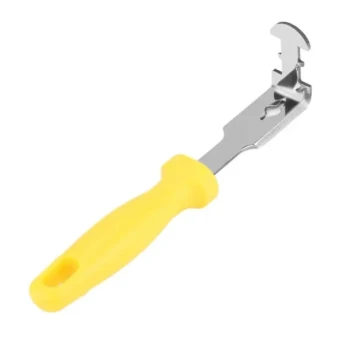
- Heavy Duty Stainless Steel Frame Cleaner with Plastic Handle
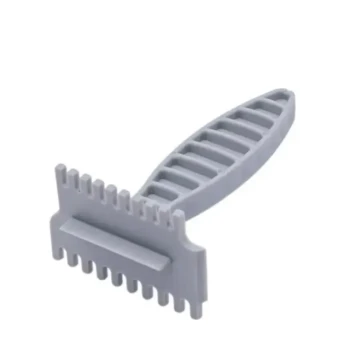
- Lightweight Durable Plastic Queen Excluder Scraper for Beekeeping
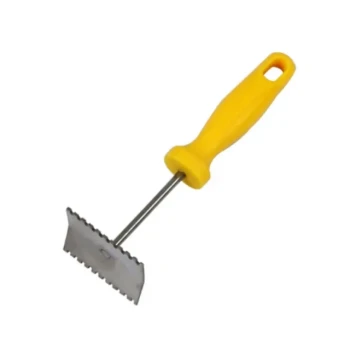
- Stainless Steel Scraper for Metal Queen Bee Excluders
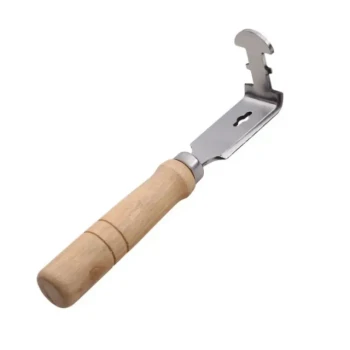
- Professional Stainless Steel Frame Cleaner with Ergonomic Wood Handle
People Also Ask
- How is pollen cleaned after it has been dried? Master Efficient Separation for Pure Bee Pollen
- What methods are used to clean harvested bee pollen? Scale Your Beekeeping Operations with the Right Technique
- How can harvested bee pollen be cleaned to remove impurities? Efficient Methods for Commercial and Hobbyist Beekeepers
- How do bee pollen collection tools affect the quality of bee pollen used in functional dairy ice cream production?
- What is the technical significance of using specialized cutting tools for propolis? Master Precision Pollen Harvesting