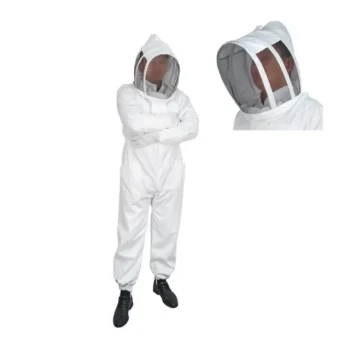
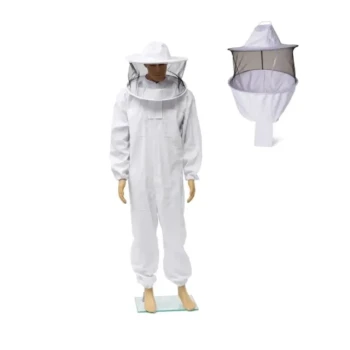
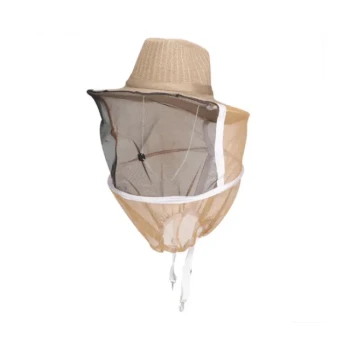
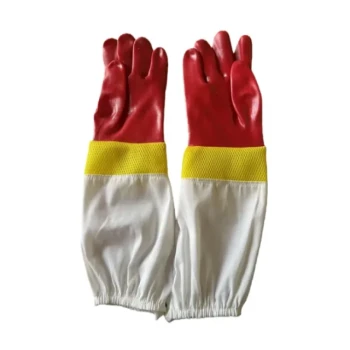
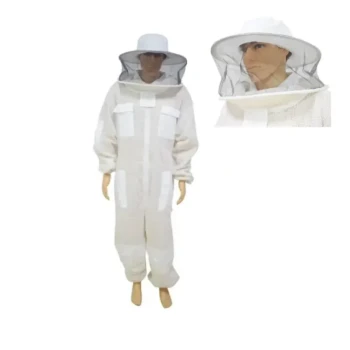
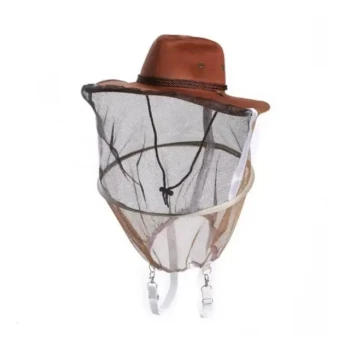
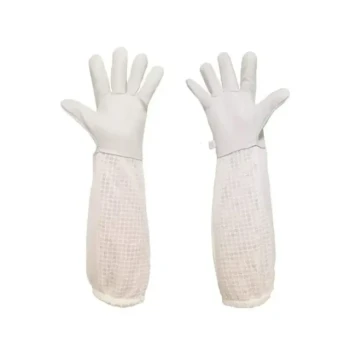
Regular laundering is essential for managing colony temperament. Washing your beekeeping clothing and gloves serves a functional purpose beyond simple hygiene: it removes lingering sting pheromones and hive odors. If these scents remain on your gear, they can attract the bees' attention or irritate them during subsequent visits, increasing the likelihood of defensive behavior.
The primary technical reason to wash beekeeping gear is to neutralize chemical signals. Residual odors act as triggers that can turn a routine inspection into a defensive event by signaling past threats to the colony.
The Science of Scent and Bee Behavior
Bees rely heavily on olfactory cues to navigate their world and identify threats. Understanding how your clothing interacts with these senses is critical for a calm inspection.
Eliminating Alarm Signals
When a bee stings, it leaves behind a specific chemical marker known as an alarm pheromone. This scent lingers on fabrics, particularly canvas and leather, long after the interaction is over.
If you return to the apiary wearing unwashed gear, you are essentially wearing a target. The residual scent signals to the guard bees that you are a persistent threat, often triggering an immediate defensive response before you even open the hive.
Neutralizing Hive Odors
Beyond sting pheromones, your gear absorbs the general smell of the colony, propolis, and smoke. Over time, this accumulation can become potent.
While less aggressive than alarm pheromones, intense or confused mixtures of odors can irritate the colony. Starting with a neutral "scent slate" prevents the bees from becoming agitated by foreign or overwhelming smells.
Common Pitfalls to Avoid
While washing is necessary, the method matters. Incorrect laundering can inadvertently replace one attractant with another.
The Risk of Added Scents
The goal of laundering is to eliminate odors, not mask them. Using heavily scented detergents, fabric softeners, or dryer sheets can be counterproductive.
Floral or strong chemical fragrances on a clean suit may attract curious bees or confuse them. This curiosity can quickly turn into annoyance if the bees investigate the source of the smell too aggressively.
Overlooking the Gloves
Gloves usually sustain the most contact with propolis and receive the highest number of stings. Consequently, they carry the highest concentration of trigger scents.
Many beekeepers wash their suits but neglect their gloves. To ensure a truly neutral presence, gloves must be cleaned with the same regularity as the suit.
Making the Right Choice for Your Goal
A consistent cleaning routine ensures your safety and keeps the colony stress-free.
- If your primary focus is safety: Wash gear immediately after any session involving stings to remove alarm pheromones that trigger attacks.
- If your primary focus is calm inspections: Use fragrance-free detergents to prevent introducing foreign scents that might trigger curiosity or irritation.
By treating your gear as a neutral barrier rather than a scent sponge, you ensure smoother, less stressful interactions with your hives.
Summary Table:
| Aspect | Impact of Unwashed Gear | Benefit of Regular Laundering |
|---|---|---|
| Alarm Pheromones | Triggers immediate defensive responses and stings. | Neutralizes chemical markers to prevent targeted attacks. |
| Colony Odors | Accumulates propolis and smoke, irritating bees. | Provides a neutral "scent slate" for calm interactions. |
| Worker Safety | Increases likelihood of being targeted by guard bees. | Minimizes risks during routine hive inspections. |
| Gloves & Tools | Highest concentration of triggers and contaminants. | Eliminates the primary source of cross-colony irritation. |
Maximize Your Apiary Productivity with HONESTBEE
At HONESTBEE, we understand that professional beekeeping requires precision, safety, and the right equipment. Whether you are managing a commercial apiary or acting as a high-volume distributor, we provide the industrial-grade solutions you need to succeed. Our comprehensive wholesale portfolio includes:
- Protective Gear & Tools: High-quality, durable beekeeping suits and essential manual tools.
- Advanced Machinery: State-of-the-art hive-making and honey-filling machines to scale your operations.
- Industry Consumables: A wide array of essential supplies and honey-themed cultural merchandise.
Ready to elevate your beekeeping business? Our experts are here to provide tailored equipment solutions and wholesale support that drive efficiency and safety.
Related Products
- Premium Cotton Beekeeper Suit with Reinforced Fencing Veil
- White Cotton Beekeeping Jacket and Veil for Bee Keepers
- Professional Cotton Beekeeper Suit with Round Veil Design for Commercial Apiaries
- Beekeeping Jacket with Hood and Veil for Beekeepers
- Economy Polyester Beekeeping Jacket with Veil and Hat
People Also Ask
- What material and design specifications are recommended for a high-quality beekeeper suit? Top Gear Selection Guide
- How to Pre-treat Propolis Stains on Beekeeping Suits? Master Advanced Fabric Care and Soil Removal
- What features should be considered for sting protection in a beekeeping suit? Ensure Total Safety and Comfort
- What are the differences between full suits and jackets with veils in beekeeping? Choose Your Best Protection
- What features should be looked for in a beekeeping suit for maximum comfort? Prioritize Ventilation and Fit