Protective covers are a mandatory hardware requirement in stingless bee precision farming because these bees possess a powerful instinct to seal any foreign object within the hive using propolis. Without a physical barrier, the bees will directly coat the delicate sensing elements in resin, completely blocking their exposure to the air and rendering the equipment incapable of recording accurate temperature and humidity data.
The protective cover acts as a critical interface that segregates the biological environment from the digital hardware. It prevents the bees' natural sealing behavior from destroying the sensor while maintaining the permeability required to capture precise environmental metrics.
The Biological Barrier: Propolis Sealing
The Instinct to Seal
Stingless bees view sensors not as tools, but as foreign objects or intruders inside their colony. Their natural biological response is to neutralize this presence by encasing it in propolis, a sticky resinous mixture.
Impact on Naked Sensors
If a sensor is left exposed, this resin coating acts as an impermeable seal. This prevents the sensor from interacting with the hive's internal atmosphere, leading to immediate data failure and often permanent damage to the hardware.
The Mechanics of Protection
The Function of Fine Mesh
To counter the sealing instinct, sensors requires covers made of specialized fine mesh. This mesh creates a physical standoff distance, preventing the bees from reaching the actual sensing component to apply propolis.
Selective Permeability
While the mesh blocks the bees, it remains porous enough to allow water vapor and heat to pass through freely. This ensures the sensor reads the actual ambient environment of the hive rather than the internal temperature of a sealed casing.
Humidity Sensor Fragility
Humidity sensors, in particular, are highly sensitive to physical contact. A dedicated mesh cover is essential to prevent even microscopic amounts of resin from touching the element, which would permanently alter its ability to detect moisture levels.
Understanding the Trade-offs
The Risk of Unprotected Deployment
Attempting to deploy sensors without covers is a false economy. While naked sensors may work briefly, the inevitable coating of propolis will rapidly degrade data accuracy, leading to a total loss of the equipment's utility.
Critical Data Continuity
The primary trade-off of poor sensor protection is the loss of long-term health data. Uninterrupted monitoring is required to detect specific temperature and humidity fluctuations that serve as early warning signs for colony collapse, disease outbreaks, or swarming events.
Making the Right Choice for Your Goal
To ensure your precision farming system delivers value, apply the following principles:
- If your primary focus is equipment longevity: Prioritize sensors with specialized fine mesh covers to create a physical barrier against propolis and extend the operational life of your hardware.
- If your primary focus is colony health analysis: Ensure your covers are clean and permeable so that real-time environmental fluctuations are recorded accurately, enabling the detection of abnormal behaviors or disease.
By respecting the bees' biology through proper hardware protection, you transform a foreign object into a sustainable tool for colony preservation.
Summary Table:
| Feature | Impact Without Protective Cover | Benefit With Mesh Cover |
|---|---|---|
| Data Accuracy | Complete failure; propolis blocks airflow | Maintains high permeability for precise metrics |
| Hardware Safety | Permanent damage to sensitive elements | Physical barrier prevents resin contamination |
| Bees' Reaction | Immediate sealing of "foreign objects" | Standoff distance prevents bees from reaching sensor |
| Equipment Life | Short-term; rapid degradation | Long-term operational sustainability |
Maximize Your Colony Yield with HONESTBEE Solutions
Don't let natural bee instincts compromise your precision farming data. HONESTBEE specializes in supporting commercial apiaries and distributors with high-performance beekeeping tools, specialized machinery, and essential consumables. From advanced hive monitoring components to large-scale honey-filling machines, we provide the hardware and expertise needed to scale your operations effectively.
Ready to upgrade your apiary equipment? Contact us today to learn how our comprehensive wholesale offerings can enhance your business efficiency and protect your colony health.
References
- Muhammad Naufal Hakim, Muhammad Yusuf Abduh. Produksi Propolis dari Lebah Tetragonula laeviceps Menggunakan Sarang MOTIVE yang Dilengkapi dengan Sistem Instrumentasi. DOI: 10.5614/joki.2018.10.2.6
This article is also based on technical information from HonestBee Knowledge Base .
Related Products
- Inner Beehive Cover for Beekeeping Bee Hive Inner Cover
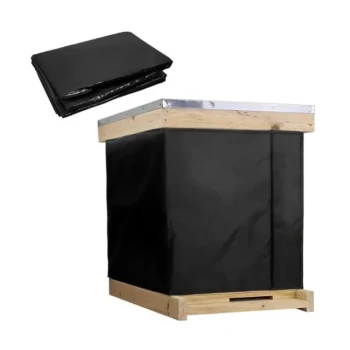
- Professional Insulated Winter Hive Wrap for Beekeeping
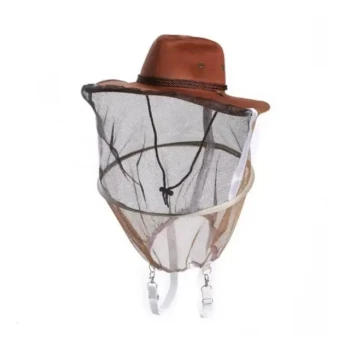
- Premium Cowboy Beekeeper Hat with Visibility Veil Outdoor Professional Beekeeping Protective Gear
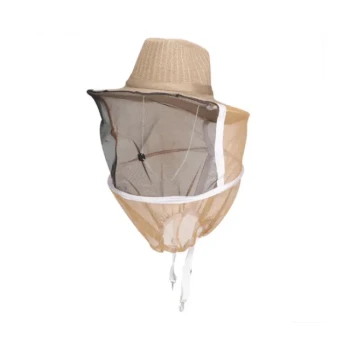
- Beekeeper Cowboy Hat and Veil for Beekeeping
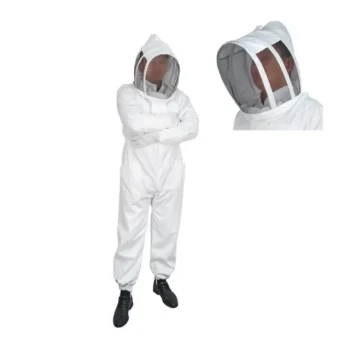
- Beekeeping Jacket with Hood and Veil for Beekeepers
People Also Ask
- What is the purpose of the inner cover in a beehive? A Key to Hive Health & Easy Management
- What is the function and placement of an inner cover in a beehive? Essential Hive Management Guide
- What is the purpose of the inner and outer covers in a beehive? Essential for Hive Health & Management
- What is a beehive's inner cover and how is it used? Essential Guide for Hive Insulation and Ventilation
- What are the functions of the inner and outer covers on a beehive? Essential Guide for Hive Protection and Management