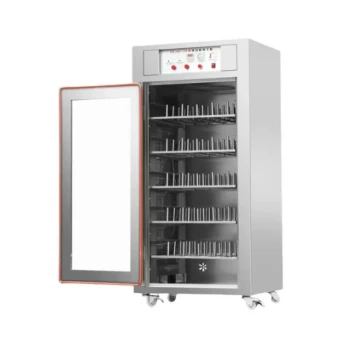
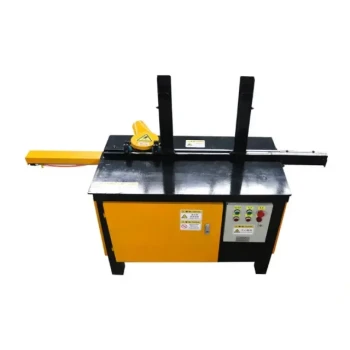
Maintaing a constant 40°C during bee bread processing is essential because it strikes a precise balance between physical processing needs and biochemical preservation. This specific temperature effectively dehydrates the honeycomb to make it brittle enough for mechanical separation while simultaneously protecting heat-sensitive enzymes and vitamins from thermal degradation. It ensures the product can be processed efficiently without sacrificing the nutritional and medicinal value that defines high-quality bee bread.
Precise thermal control at 40°C acts as a functional threshold: it is high enough to induce the physical brittleness required for separation, but remains below the critical limit where essential bioactive compounds begin to degrade.
The Dual Objectives of Thermal Control
To understand why 40°C is the standard, one must look at the two distinct goals of the drying process: mechanical extraction and biological preservation.
Facilitating Mechanical Separation
The primary physical challenge in processing bee bread is removing it from the honeycomb. The 40°C environment reduces moisture in the honeycomb structure, causing it to become brittle.
This brittleness is necessary for specialized equipment to mechanically separate the bee bread from the wax. Without achieving this specific texture, separation becomes inefficient and difficult.
Preventing Spoilage and Microbial Growth
Freshly harvested bee bread contains high moisture levels (often 24-28%), making it highly susceptible to mold and fermentation.
Drying equipment reduces this moisture content to a stable target, typically between 10% and 14%. This reduction effectively inhibits microbial growth, ensuring the product is safe for long-term storage.
Preserving the Nutritional Profile
The value of bee bread lies in its complex chemical composition. The 40°C limit is strictly enforced to protect these components.
Protecting Enzymatic Activity
Bee bread is rich in enzymes that are notoriously heat-sensitive.
Exceeding the 40°C threshold risks denaturing these enzymes, effectively destroying the biological activity that differentiates bee bread from simple sugar sources.
Retaining Bioactive Compounds
Valuable compounds such as phenolics and flavonoids are responsible for the antioxidant properties of bee bread.
Controlled drying prevents the thermal degradation of these substances. This ensures the final product retains its functional nutritional value, which includes vitamins and medicinal properties.
Understanding the Trade-offs
Using temperature-controlled equipment prevents the common pitfalls associated with less precise methods, such as natural air drying.
The Risks of Natural Air Drying
Natural air drying often subjects the product to inconsistent conditions.
Fluctuating temperatures and humidity can lead to incomplete dehydration, leaving pockets of moisture that invite spoilage or result in uneven textures that hamper mechanical separation.
The Danger of Excessive Heat
While higher temperatures would dry the product faster, they compromise quality.
Temperatures approaching or exceeding 45°C significantly accelerate the destruction of vitamins and bioactive substances. The 40°C setting is a conservative upper limit designed to prioritize quality over speed.
Making the Right Choice for Your Goal
When configuring drying parameters for bee bread, your approach should be dictated by your end-product requirements.
- If your primary focus is Pharmaceutical Grade Quality: Strictly maintain temperatures at or below 40°C to ensure maximum retention of enzymes and antioxidant activity.
- If your primary focus is Processing Efficiency: Ensure the equipment maintains a consistent airflow to reach the "brittle" stage quickly without needing to raise the temperature.
By adhering to this precise temperature standard, you transform a raw, perishable harvest into a stable, potent nutritional supplement.
Summary Table:
| Feature | 40°C Controlled Drying | Natural/Uncontrolled Drying |
|---|---|---|
| Mechanical Separation | Ideal; creates necessary brittleness | Difficult; inconsistent texture |
| Enzyme Preservation | High; protects heat-sensitive proteins | Variable; high risk of degradation |
| Moisture Content | Stable target (10%-14%) | Inconsistent; prone to mold/spoilage |
| Nutritional Value | Retains phenolics and vitamins | High risk of thermal oxidation |
| Processing Speed | Efficient and predictable | Slow and weather-dependent |
Maximize Your Harvest Quality with HONESTBEE Precision Solutions
At HONESTBEE, we understand that for commercial apiaries and distributors, the difference between premium pharmaceutical-grade bee bread and a degraded product lies in precision. We provide professional-grade temperature-controlled drying equipment designed to maintain the strict 40°C threshold, alongside a full spectrum of beekeeping tools and honey-filling machinery.
Whether you are scaling your production with our specialized hive-making machines or looking for wholesale industry consumables, our expert team is ready to support your growth. Contact us today to discover how our comprehensive equipment portfolio can enhance your efficiency and preserve the bioactive integrity of your hive products.
References
- Oksana Vradii. INTENSITY OF ACCUMULATION OF HEAVY METALS IN THE POLLEN PRODUCED FROM THE FLOWER POLLEN OF THE FOREST PARK NECTAROPOLINES IN THE CONDITIONS OF THE FOREST STEPPE OF THE RIGHT BANK. DOI: 10.46913/beekeepingjournal.2023.11.02
This article is also based on technical information from HonestBee Knowledge Base .
Related Products
- High Quality Honey Dehumidifier Dryer Thickening Machine for Beekeeping
- High-Efficiency Pneumatic Bee Hive Making Machine for Rapid Box Assembly
- HONESTBEE Professional Cabinet Bottle Dryer
- Professional Bee Frame Machine for Side Bar Shaping
- High Performance Cordless Electric Bee Shaker for Beekeeping
People Also Ask
- Can you dehumidify honey? A Beekeeper's Guide to Preventing Fermentation
- How to dry up honey? The Safe Guide to Stabilizing Honey and Preventing Fermentation
- How can the moisture content of honey be reduced? A Guide to Safe, Effective Drying Methods
- How to remove humidity from honey? Protect Your Harvest from Fermentation
- How to decrease moisture in honey? Prevent Fermentation and Ensure Long-Term Quality