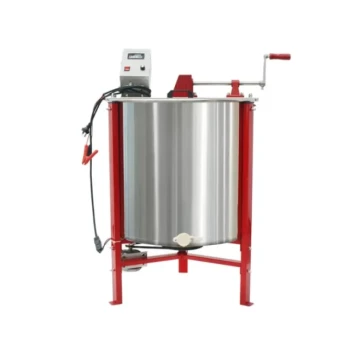
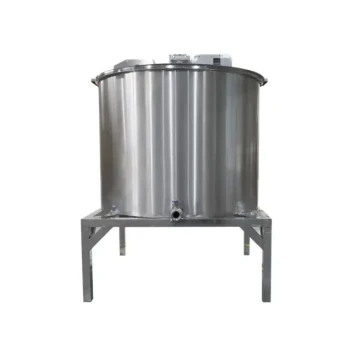
Speed is the single most critical factor in preserving honey quality in infested regions. Shortening the operation cycle of honey-filling and extraction machinery is necessary because Small Hive Beetle (SHB) adults and larvae rapidly consume honey, defecate in it, and introduce yeasts that cause irreversible fermentation and spoilage.
The Core Reality: Once honey supers are removed from the protection of the bee colony, they become highly vulnerable targets for pest destruction. Completing the entire purification and extraction process within two to three days is the only effective way to outpace the beetle’s reproductive cycle and prevent the total loss of the harvest due to contamination.
The Biological Urgency of Extraction
The Loss of Colony Defense
In a healthy hive, bees actively harass and corral beetles. However, once honey-filled supers are removed for harvest, this natural defense is lost.
The Fermentation Cascade
Beetles do not just physically damage the comb; they chemically alter the product. Adults and larvae excrete waste into the honey.
The Role of Yeast
This excrement often contains specific yeasts (such as Kodamaea ohmeri) that trigger fermentation. This chemical reaction spoils the honey's flavor and renders it commercially worthless.
How Rapid Machinery Operations Protect Value
Adhering to the 72-Hour Rule
The primary objective of using high-efficiency machinery is to complete purification within two to three days.
Inhibiting Larval Hatching
Rapid processing through industrial-grade centrifugal extractors removes the raw material before beetle eggs have time to hatch. This prevents larvae from tunneling through stored combs and causing extensive structural damage.
Reducing Environmental Exposure
Automated filling and processing equipment provide airtight sealing and rapid throughput. This minimizes the time honey is exposed to the open environment, significantly reducing the risk of secondary contamination from roaming pests.
Risks and Common Pitfalls
The Cost of Delay
Even a minor delay in the extraction cycle allows the fermentation process to begin. Once honey begins to ferment, the scent intensifies, attracting even more beetles to the processing facility.
Equipment Integrity Matters
While speed is essential, the machinery must be precise. Improper extraction methods that rupture honey or pollen pots can cause leaks. These leaks create "scent trails" of fermenting honey that compromise facility hygiene and invite further infestation.
Making the Right Choice for Your Goal
When managing apiaries in SHB-infested areas, your processing strategy must prioritize speed and hygiene above all else.
- If your primary focus is Commercial Viability: Invest in automated, industrial-grade extraction machinery that ensures all harvested supers are processed and sealed within 48 hours of removal.
- If your primary focus is Quality Assurance: Prioritize machinery with airtight processing capabilities to eliminate environmental exposure and prevent the introduction of beetle-borne yeasts.
- If your primary focus is Asset Protection: Combine rapid extraction cycles with cold storage (below 10°C) for any supers waiting to be processed to completely inhibit the beetle life cycle.
Ultimately, in an infested apiary, time is not just money—it is the difference between a premium product and a total loss.
Summary Table:
| Factor | Impact of Delay | Benefit of Rapid Processing (48-72h) |
|---|---|---|
| Honey Quality | Irreversible fermentation & spoilage | Preserves premium flavor & commercial grade |
| Pest Activity | Larvae hatch & tunnel through combs | Removes honey before eggs hatch & larvae develop |
| Contamination | Beetle excrement & yeast introduction | Minimizes exposure to environmental pathogens |
| Equipment Role | Scent trails attract more pests | Airtight, automated cycles ensure hygiene |
Protect Your Harvest with HONESTBEE High-Efficiency Solutions
Don't let the Small Hive Beetle compromise your commercial viability. HONESTBEE provides professional-grade beekeeping machinery specifically designed to streamline your operation cycle and safeguard your honey quality.
Whether you are a commercial apiary or a global distributor, our comprehensive range of honey-filling machines, high-speed centrifugal extractors, and hive-making equipment offers the precision and speed you need to outpace infestation. From industrial-grade hardware to essential consumables, we empower your business with reliable tools and expert support.
Maximize your productivity and eliminate the risk of spoilage today.
References
- Michael A. Brown, Medwin H. Bew. Risks to UK beekeeping from the parasitic mite<i>Tropilaelaps clareae</i>and the small hive beetle,<i>Aethina tumida</i>. DOI: 10.1080/0005772x.2002.11099558
This article is also based on technical information from HonestBee Knowledge Base .
Related Products
- Precision Durable Efficient HONESTBEE Rotary Honey Filling Machine
- Automatic Honey Filling and Filtering Machine for Beekeeping Bottle Filling
- Fully Automatic Honey Filling Packaging Machine for Processing Line
- Economy Small Honey Filling Machine Honey Bottle Filler Packaging Machine
- Commercial Rotary Honey Filling Machine for Production
People Also Ask
- What are the common types of bottling machines used for honey? Choosing the Right Solution for Your Apiary
- How do honey filling machines work? Achieve Precision & Speed for Your Apiary
- How do high-precision honey filling machines ensure quality? Optimize Your Commercial Production with HONESTBEE
- How do honey filling and processing machines aid native bee product conservation? Boost Value with HONESTBEE Technology
- What quality control role does professional honey filling equipment perform? Ensure Consistency and Product Stability