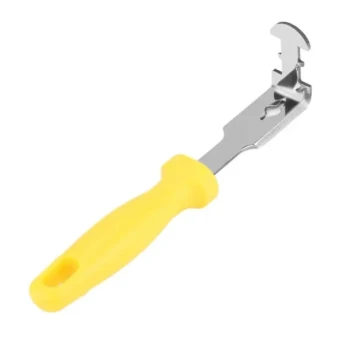
Accurate Varroa mite analysis is functionally impossible without targeting the correct population of bees. You must use beekeeping tools to collect samples directly from brood frames because this location is the central hub of colony reproduction, where Varroa mites actively interact with larvae. Nurse bees, which congregate on these frames to care for the brood, carry significantly higher mite loads than older foragers, making them the only reliable indicator of true infestation levels.
The Core Takeaway Sampling randomly from the hive often yields false negatives. To determine the true parasitic status of a colony, you must sample nurse bees from the brood frames, as these bees are the primary vectors for mites during the reproductive phase.
The Biological Necessity of Brood Frame Sampling
To understand why tools must be applied to brood frames, you must understand the lifecycle of the parasite.
The Center of Rearing Activity
The brood frame is not just a storage area; it is the center of rearing and nursing activities. Varroa mites are biologically driven to seek out this area to reproduce within the capped cells of developing larvae. Consequently, the density of mites is highest in this specific zone.
Targeting the High-Risk Host
Nurse bees are the primary caretakers found on brood frames. Because they remain in close contact with the larvae and the brood cells, they naturally acquire a higher mite load compared to forager bees found near the hive entrance or honey supers. Collecting bees from anywhere else dilutes the sample with low-risk bees, skewing the data.
Strategic Collection Zones
Standardized procedures dictate using tools to collect bees specifically from the edges of unsealed brood frames. This is where nurse bees are most concentrated. Utilizing specialized handling tools ensures you are extracting the sample from this precise "hot zone" rather than accidentally sweeping up general population bees.
The Role of Tools in Ensuring Data Integrity
Precision is the difference between data and noise. Professional tools serve as a control mechanism during the sampling process.
Guaranteed Representativeness
Using specific sampling tools allows you to calculate an infestation percentage that reflects reality. By isolating the sample to the brood frame, the resulting count becomes a representative metric of the colony's actual parasitic burden.
Standardization of Procedure
Manual or haphazard collection introduces human error and variability. Tools, such as frame handling equipment and sampling jars, create a standardized procedure. This consistency allows for reliable comparison between different hives and over different time periods.
Understanding the Risks of Improper Sampling
Failing to use the correct tools on the correct frames introduces significant analytical blind spots.
The Danger of Underestimation
If you do not sample from the brood frame, you are likely collecting older bees with lower mite counts. This leads to underestimating infestation levels, which can result in a false sense of security while the colony's health actually deteriorates.
Loss of Specificity
Without the precision offered by tools, you risk cross-contamination or mixing populations (e.g., emerging bees vs. foragers). In advanced analysis, tools like frame cages are used to isolate specific frames to prevent this mixing, ensuring that the biological data remains pure and attributable to specific variables like cell size or brood age.
Making the Right Choice for Your Goal
To ensure your Varroa monitoring is effective, apply the following principles based on your objectives:
- If your primary focus is routine health monitoring: Always collect samples from the edges of unsealed brood frames to capture the nurse bees with the highest probability of carrying mites.
- If your primary focus is scientific accuracy: Use standardized sampling jars and handling tools to eliminate selection bias and ensure your infestation percentages are mathematically representative.
Precision in sampling location is the single most critical factor in detecting Varroa before it causes irreversible colony damage.
Summary Table:
| Factor | Brood Frame Sampling (Nurse Bees) | General Hive Sampling (Foragers) |
|---|---|---|
| Mite Concentration | High (Reproductive center) | Low (Older bees) |
| Accuracy | High (True infestation levels) | Low (Likely false negatives) |
| Primary Host | Nurse bees (Caretakers) | Forager bees (Field workers) |
| Data Reliability | Representative & Standardized | Skewed & Inconsistent |
| Tools Used | Frame handlers, sampling jars | Basic brushes or manual collection |
Maximize Your Colony Health with HONESTBEE Professional Solutions
Precise Varroa monitoring is the backbone of successful commercial beekeeping. At HONESTBEE, we empower commercial apiaries and distributors with high-performance beekeeping tools, specialized hive-making machinery, and advanced honey-filling equipment. Whether you are scaling your honey production or supplying the industry with essential consumables and cultural merchandise, our comprehensive wholesale portfolio ensures your success.
Ready to elevate your apiary's efficiency and data integrity?
Contact HONESTBEE today for a custom wholesale quote!
References
- Asha Asha, Monika Giroh. Effect of Varroa destructor Anderson and Trueman infestation on Apis mellifera L. adults. DOI: 10.31018/jans.v5i2.353
This article is also based on technical information from HonestBee Knowledge Base .
Related Products
- Varroa Easy Check Mite Tester Kit Counter Alcohol Wash Jar
- HONESTBEE Classic Pry Bar Hive Tool with High Visibility Finish for Beekeeping
- Heavy Duty Stainless Steel Frame Cleaner with Plastic Handle
- Professional Dual Action Queen Excluder Scraper for Beekeeping
People Also Ask
- What tools are utilized within an Integrated Pest Management (IPM) strategy for honeybees? Optimize Colony Health
- What is the significance of standardized detection tools in Varroa control? Data-Driven Beekeeping Strategies
- Why is surfactant added to 70% alcohol for Varroa detection? Ensure Accurate Mite Counts for Professional Beekeeping
- What is the purpose of using white filter cloth for Varroa mite screening? Enhance Detection and Accuracy
- How does a specialized Varroa mite tester with sugar powder facilitate mite diagnosis? Precise B2B Hive Health Solutions