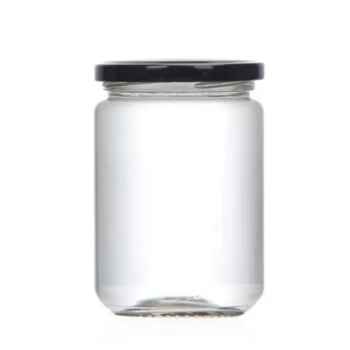
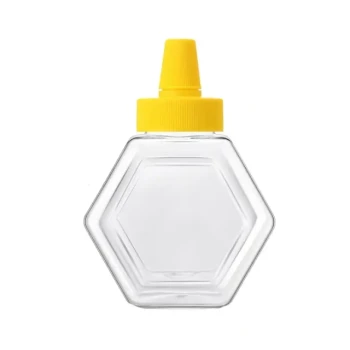
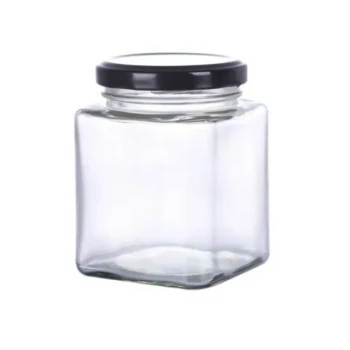
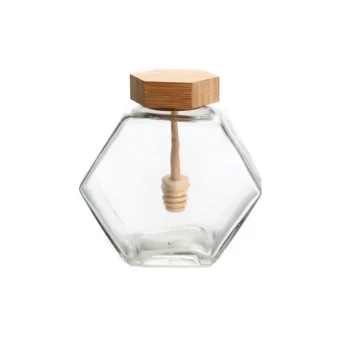
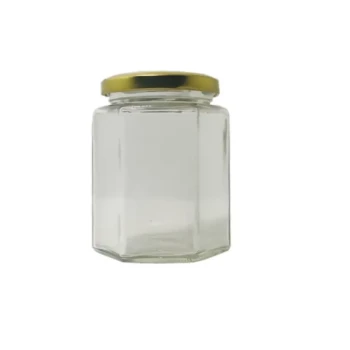
Sample integrity depends entirely on the collection vessel. Using food-grade sterile containers with sealing lids is non-negotiable because it creates a controlled barrier that isolates the honey from external variables. This specific configuration prevents moisture fluctuation, blocks microbial contamination, and ensures no chemical leaching occurs, guaranteeing that laboratory results reflect the honey's true condition at the source rather than artifacts of transport.
The validity of any laboratory test rests on the unchanged state of the sample. Proper containment serves as a barrier against the three primary enemies of honey analysis: environmental moisture, external microbes, and chemical contaminants from the container itself.
Preserving Physicochemical Stability
Combatting Hygroscopy
Honey is highly hygroscopic, meaning it naturally absorbs moisture from the surrounding atmosphere. A sealing lid provides a hermetic seal that blocks this moisture exchange. Without this barrier, the honey's water content will fluctuate, invalidating moisture content readings and potentially altering viscosity.
Preventing Fermentation
If a sample absorbs excess atmospheric moisture due to a poor seal, the risk of fermentation increases significantly. This biological change alters the acidity and chemical composition of the honey before it reaches the lab. A sealed environment locks the sample in its original state, preventing these rapid degradation cycles.
Ensuring Material Inertness
The "food-grade" designation ensures that the container material is chemically inert and will not react with the honey. Because honey is acidic, improper materials can leach chemical impurities into the sample. This contamination leads to false positives in chemical residue testing and alters the honey's flavor profile.
Maintaining Biological Accuracy
Eliminating Secondary Contamination
"Sterile" containers are essential to ensure that any microorganisms detected during testing are native to the honey, not the container. Using non-sterile jars introduces exogenous bacteria or yeast. This compromises the accuracy of antibacterial activity tests and general microbiological quality assessments.
Protecting Enzymatic Activity
Key indicators of honey quality, such as diastase activity and Hydroxymethylfurfural (HMF) levels, are sensitive to contamination. A sterile environment preserves these unstable bioactive components. This ensures that enzymes like amylase and invertase remain at levels representative of the apiary production site.
Safeguarding Pollen Statistics
For palynological (pollen) analysis, the sample must remain free of external dust or foreign pollen. A sealed, sterile container safeguards the integrity of the pollen grain statistics. This allows for accurate determination of the honey's floral source and geographical origin.
Common Pitfalls to Avoid
The Air Bubble Distortion
While the container material matters, how you fill it is also critical for physical testing. Trapped air bubbles disrupt fluid continuity. This causes torque fluctuations and reading deviations during rheological (flow) testing, resulting in poor measurement repeatability.
The Risk of "Clean" vs. "Sterile"
Do not confuse a "clean" washed jar with a sterile one. A washed jar may still contain microscopic residues or dormant microbes. Only certified sterile containers guarantee that the baseline for biological testing is zero interference.
Making the Right Choice for Your Goal
To ensure your testing data is actionable and legally defensible, align your sampling protocol with your specific analytical focus:
- If your primary focus is physicochemical analysis (moisture/viscosity): Prioritize the sealing mechanism to strictly prevent atmospheric moisture exchange and evaporation.
- If your primary focus is microbiological or enzyme testing: Prioritize sterility to prevent secondary contamination that will skew antibacterial and bioactive data.
- If your primary focus is regulatory safety compliance: Prioritize food-grade certification to ensure no container-derived chemical impurities appear in the final report.
Accurate analysis begins the moment the lid is sealed, not when the sample enters the lab.
Summary Table:
| Feature | Primary Function | Impact on Testing |
|---|---|---|
| Food-Grade Material | Chemical Inertness | Prevents leaching and false positives in chemical residue tests. |
| Sterile Certification | Biological Purity | Ensures yeast/bacteria detected are native to the honey. |
| Sealing Lid | Hermetic Barrier | Prevents moisture absorption/fermentation and preserves viscosity. |
| Airtight Seal | Environmental Isolation | Protects enzymatic activity (HMF/Diastase) and pollen integrity. |
Secure Your Honey Quality with Professional Equipment
At HONESTBEE, we understand that the integrity of your honey is your reputation. As a specialized partner for commercial apiaries and distributors, we provide the high-quality tools and machinery required to maintain industry standards from hive to laboratory.
Our extensive wholesale portfolio includes:
- Precision Honey-Filling Machines that ensure consistent, bubble-free sampling.
- Advanced Beekeeping Tools and machinery for large-scale production.
- Essential Industry Consumables that meet strict food-grade and safety requirements.
Whether you are scaling your apiary or looking for a reliable wholesale supplier of beekeeping hardware and honey-themed merchandise, HONESTBEE is here to support your growth.
Contact us today to explore our full range of solutions!
References
- Mary Wanjiru Warui, Aske Skovmand Bosselmann. Characterization of Kenyan Honeys Based on Their Physicochemical Properties, Botanical and Geographical Origin. DOI: 10.1155/2019/2932509
This article is also based on technical information from HonestBee Knowledge Base .
Related Products
- Classic Drum Shaped Glass Honey Jar with Airtight Lid
- Classic Round Glass Honey Jar with Lid
- Food Grade Plastic Honey Bucket Pail for Beekeeping
- Hexagonal Squeeze Honey Bottle with No Drip Lid
- Classic Beehive Honey Bottle Jar with Squeeze Dispenser Lid
People Also Ask
- What is the best utensil to store honey? Preserve Purity with the Right Container
- How does the appearance of glass jar packaging affect the sales and perception of honey? Boost Your Premium Brand Value
- Why is a glass jar preferred for packaging honey? Ultimate Protection for Purity & Flavor
- What is the aesthetic appeal of using glass jars for honey? Elevate Your Brand with Premium Packaging
- What are the advantages of glass containers for honey? Elevate Quality and Market Value with Premium Packaging