The necessity for professional sterilization or incineration stems from the extreme biological resilience of the pathogen Paenibacillus larvae. Standard cleaning methods are insufficient because this bacterium produces endospores that can survive on beekeeping tools and equipment for decades. Therefore, only high-intensity thermal destruction (incineration) or professional-grade chemical sterilization can guarantee the eradication of these spores and prevent the collapse of healthy colonies through cross-contamination.
Core Insight: American Foulbrood (AFB) spores are heat-resistant and can remain viable and infectious for up to 40 years. Because traditional disinfection methods cannot penetrate or destroy these spores, total destruction or industrial-grade sterilization is the only reliable way to break the chain of disease transmission.
The Biological Threat: Why Spores Persist
The primary driver for such aggressive sanitation measures is the biology of the pathogen itself. Unlike common bacteria that die quickly outside a host, Paenibacillus larvae has evolved a formidable survival mechanism.
Extreme Environmental Resistance
The bacterium forms endospores—dormant, tough, non-reproductive structures. These spores are capable of surviving extreme environmental conditions, rendering them immune to standard cleaning practices.
Decades of Viability
Once on a surface, these spores do not simply degrade over time. They can remain viable and infectious for 35 to 40 years. This means a tool contaminated today can reinfect a hive decades later if not properly treated.
High Sporulation Capacity
The pathogen reproduces rapidly, creating a massive load of spores on infected equipment. This high concentration increases the likelihood that even a single contaminated hive tool will transfer an infectious dose to a healthy colony.
The Failure of Standard Disinfection
Many beekeepers attempt to use household cleaners or mild disinfectants, but these are dangerous half-measures when dealing with AFB.
Ineffectiveness of Conventional Cleaners
Most general-purpose disinfectants and antibiotics cannot breach the protective shell of the Paenibacillus larvae spore. Using them provides a false sense of security while leaving the pathogen intact.
The Vector Risk
Beekeeping tools, such as hive tools and brushes, act as mechanical vectors. If these tools are treated with weak disinfectants, they continue to serve as a bridge, carrying spores from sick colonies to healthy ones during routine inspections.
The Solution: Incineration and Professional Sterilization
To ensure biosecurity, the method of destruction must match the resilience of the pathogen.
Thermal Destruction via Incineration
Incineration is the most reliable physical method for handling infected woodenware and combustible equipment. Burning infected hives destroys the biological structure of the spore entirely, removing the source of infection permanently.
Professional Sterilization Equipment
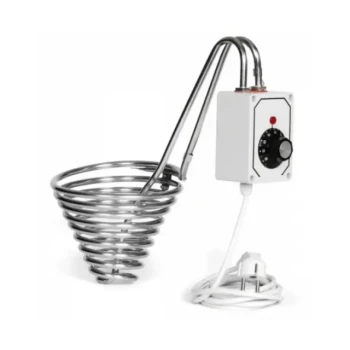
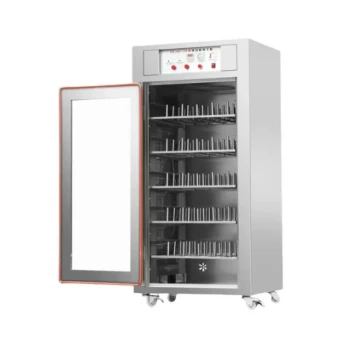
For non-combustible tools (like metal hive tools), professional equipment is required. This often involves autoclaves or high-concentration chemical soaks that far exceed the potency of consumer-grade cleaning supplies.
Scorching with Blowtorches
For salvageable hive bodies or durable equipment, high-temperature treatment using blowtorches is a recognized physical method. The direct application of intense flame is necessary to kill spores hidden in cracks and crevices that liquids might miss.
Understanding the Trade-offs
While rigorous sterilization and incineration are effective, they come with distinct challenges that must be weighed against the risk of disease spread.
Economic Loss vs. Long-Term Security
The most significant trade-off is the immediate financial loss of equipment. Incineration results in the total loss of hive hardware, which is costly. However, attempting to save infected woodenware often leads to recurrent outbreaks that cost far more in lost bees and honey production over time.
The Danger of Partial Treatment
A common pitfall is the inconsistent application of sterilization protocols. If a beekeeper scorches a hive box but fails to sterilize the hive tool, the biosecurity barrier is breached. The process must be holistic and absolute to be effective.
Making the Right Choice for Your Apiary
Deciding between incineration and sterilization depends on the material of the equipment and the severity of the infection.
- If your primary focus is total eradication in woodware: Prioritize incineration of frames and hive bodies, as wood is porous and difficult to sterilize deeply.
- If your primary focus is salvaging metal tools: Utilize professional sterilization equipment, such as high-concentration chemical soaks or autoclaves, combined with direct scorching.
- If your primary focus is regional biosecurity: Implement a strict "burn policy" for all confirmed AFB cases to protect the 3km zone surrounding your apiary.
Ultimately, the cost of replacing equipment is negligible compared to the devastation of an uncontrollable AFB epidemic across your entire operation.
Summary Table:
| Method | Effectiveness against AFB Spores | Recommended Use Case |
|---|---|---|
| Incineration | 100% (Complete Eradication) | Wooden frames, infected hive bodies, and porous materials. |
| Professional Autoclave | High (Thermal Destruction) | Metal hive tools and heat-resistant machinery. |
| Direct Scorching | High (Surface Sterilization) | Salvageable hive boxes and durable equipment crevices. |
| Household Cleaners | Ineffective | General cleaning only; NOT for disease control. |
Protect Your Colonies with HONESTBEE Professional Solutions
Don't let American Foulbrood (AFB) devastate your livelihood. At HONESTBEE, we understand the high stakes of commercial beekeeping and the critical need for biosecurity. We provide commercial apiaries and distributors with the professional-grade machinery and equipment needed to maintain a sterile, productive environment.
How we add value to your business:
- Comprehensive Supply: From specialized hive-making and honey-filling machines to durable hardware built for high-intensity sterilization.
- Industry Expertise: We supply the full spectrum of tools and consumables required to scale your operation safely.
- Global Distribution: Whether you are a large-scale commercial apiary or a regional distributor, we offer wholesale solutions tailored to your growth.
Ensure your operation is resilient against disease. Contact our experts today to source the professional equipment your apiary deserves.
References
- Alessandra De Carolis, Giovanni Formato. A Comprehensive Analysis of Beekeeping Risks and Validation of Biosecurity Measures against Major Infectious Diseases in Apis mellifera in Europe. DOI: 10.3390/agriculture14030393
This article is also based on technical information from HonestBee Knowledge Base .
Related Products
- Professional Plastic Honey Dipper for Easy Honey Drizzling
- Heavy Duty Stainless Steel Honey Processing Machine Decrystallizing Tank
- Wide Adjustable Stainless Steel Honey Uncapping Fork with Scraper
- Professional Stainless Steel Honey Filtering Machine with Water Bath Heating for Beekeeping
- Heavy-Duty Ergonomic Grip Galvanized Pollen Shovel
People Also Ask
- What is a honey taking spoon called? Discover the Tool for a Perfect, Mess-Free Drizzle
- What is a honey dipper and what is it used for? A Guide to Mess-Free Drizzling
- What is a honey dipper? Master the Art of the Perfect Drizzle with This Essential Tool
- What is the proper method for cleaning a honey dipper? Maintain Pure Flavor with These Easy Pro Tips
- How do you clean and store a honey dipper? Simple Steps for Long-Lasting Performance