The use of specialized disposable sampling spoons and pre-cleaned containers is non-negotiable for ensuring data integrity. Primarily, these tools serve as a critical firewall against cross-contamination between different bee colonies and apiaries. Without them, the introduction of foreign microbes, heterogeneous pollen, or external moisture will compromise the sample, rendering subsequent laboratory results—such as melissopalynology (pollen analysis) or chemical profiling—inaccurate and unreliable.
Core Takeaway Strict sanitation protocols in the field are the only way to guarantee that laboratory findings reflect the true biological and chemical condition of the specific hive sampled. By eliminating variables like cross-contamination and environmental exposure, these tools ensure that data regarding botanical sources, pathogen loads, and chemical composition remains chemically and biologically accurate.
Preventing Biological Cross-Contamination
Ensuring Accurate Pollen Analysis
The primary goal of many honey studies is melissopalynology, or the analysis of pollen to determine botanical origin.
If sampling tools are reused between hives, pollen from one colony can mix with another. This "heterogeneous pollen cross-contamination" makes it impossible to distinguish the specific floral sources utilized by a single colony. Disposable spoons ensure the pollen profile collected is unique to that specific location.
Blocking Microbial Transfer
Honey samples are biological snapshots that must remain static until analyzed.
Pre-cleaned containers prevent the introduction of environmental bacteria or yeast. External microbes can alter the sample's natural biology or trigger fermentation and spoilage before the sample ever reaches the lab.
Preserving Chemical and Physical Properties
Maintaining Moisture and Chemical Integrity
Honey is hygroscopic, meaning it readily absorbs moisture from the air.
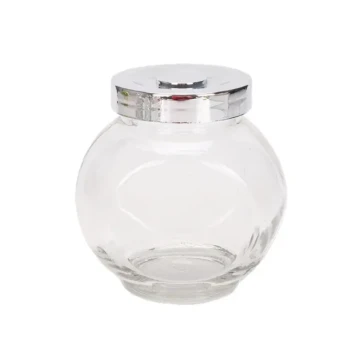
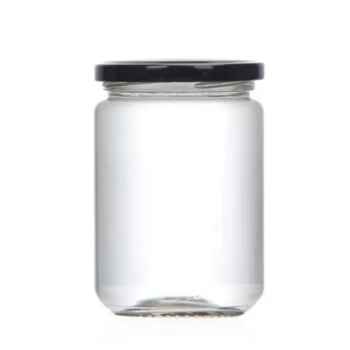
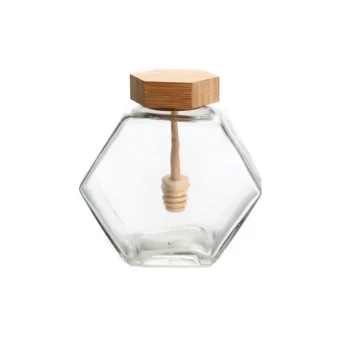
Sterile, sealable containers (such as glass jars with sealing lids) block the exchange of moisture and volatile components. This is essential for determining the initial moisture content, acidity, and enzymatic activity without interference from the external environment.
Reliability in Trace Residue Analysis
When monitoring for pesticides or trace chemicals, precision is paramount.
Standardized, sterile tools prevent the accidental transfer of chemical residues between samples. This ensures that any pesticides detected via liquid chromatography are truly present in the hive and are not artifacts of contaminated equipment.
Disease Monitoring and Pathogen Control
Avoiding False Positives
In pathology, the stakes of contamination are high. Diseases like American Foulbrood are identified by minute amounts of spore residue.
Reusing containers can carry these spores from an infected hive to a sample from a healthy hive. This leads to false-positive results, which can trigger unnecessary quarantine or destruction of healthy colonies.
Stopping Human-Mediated Transmission
Field technicians must not become vectors for disease.
Disposable tools break the chain of transmission. This prevents the human-mediated spread of pathogens, such as Nosema species or Chronic Bee Paralysis Virus (CBPV), ensuring the safety of the apiary while data is collected.
The Role of Standardization
Consistent Volume for Quantitative Data
Using standardized containers, such as 50ml sterile centrifuge tubes, ensures uniformity in the collected sample volume.
This physical consistency is required to calculate accurate density rates. Whether researchers are measuring pollen density or pesticide concentration, starting with a constant volume allows for valid comparisons across different regions.
Understanding the Trade-offs
While the scientific case for disposables is clear, it is important to acknowledge the operational implications.
The primary downside is the increase in material waste and the recurring cost of consumables. However, field-cleaning methods are rarely sufficient to remove microscopic spores or trace chemicals.
The risk of "polluting" a dataset with false positives or cross-contaminated pollen profiles far outweighs the cost of the plastic consumables. In high-stakes research or certification, reusable tools are a liability.
Making the Right Choice for Your Goal
To ensure your sampling aligns with your analytical objectives, consider the following:
- If your primary focus is Botanical Origin: Use disposable spoons to isolate pollen profiles and prevent the mixing of floral sources between colonies.
- If your primary focus is Disease Detection: Use sterile, sealable containers to avoid false positives caused by cross-contamination of spores or viral loads.
- If your primary focus is Chemical/Moisture Analysis: Use airtight, pre-cleaned vessels to prevent atmospheric moisture absorption and preserve the sample's enzymatic state.
Ultimately, the validity of sophisticated laboratory analysis relies entirely on the cleanliness of the very first step: the field collection.
Summary Table:
| Feature | Importance in Honey Sampling | Benefit for Researchers & Beekeepers |
|---|---|---|
| Disposable Spoons | Prevents pollen and microbial transfer | Ensures accurate botanical origin (Melissopalynology) |
| Pre-cleaned Containers | Blocks environmental bacteria and moisture | Prevents fermentation and maintains chemical integrity |
| Airtight Sealing | Isolates sample from atmospheric humidity | Guarantees precise moisture and enzymatic activity data |
| Standardized Volume | Provides uniform sample sizes (e.g., 50ml) | Allows for valid quantitative density and residue analysis |
| Sterility | Eliminates pathogen carryover | Prevents false positives for diseases like American Foulbrood |
Secure Your Apiary’s Success with Professional-Grade Equipment
At HONESTBEE, we understand that global honey trade and honeybee health rely on uncompromising precision. Whether you are a commercial apiary conducting disease monitoring or a distributor sourcing premium botanical honey, our comprehensive wholesale solutions support every stage of your operation.
We provide everything from high-precision honey-filling machines and specialized hardware to the essential industry consumables like sterile sampling tools required for valid laboratory data. Partner with us to enhance your production efficiency and maintain the highest standards of honey purity.
Ready to elevate your beekeeping business?
Contact HONESTBEE Today to explore our full spectrum of tools and equipment designed for the modern honey professional.
References
- Reynaldo González-Sandoval, Francisco Alberto Palemón. ANÁLISIS PALINOLÓGICO DE LOS RECURSOS FLORALES UTILIZADOS POR Apis mellifera L. (HYMENOPTERA:APIDAE) EN CUATRO MUNICIPIOS DEL ESTADO DE GUERRERO, MÉXICO. DOI: 10.56369/tsaes.1837
This article is also based on technical information from HonestBee Knowledge Base .
Related Products
- Classic Honey Bear Jars with Flip Top Dispensing Cap for Liquid Sweeteners
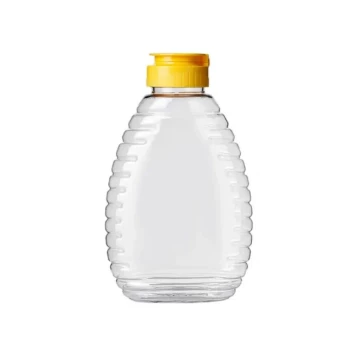
- Squeezable No-Drip Beehive-Shaped Honey Jars with Flip-Top Cap
- Modern Square Glass Honey Jar with Twist Off Lid
- Classic Drum Shaped Glass Honey Jar with Airtight Lid
- Classic Round Glass Honey Jar with Lid
People Also Ask
- What food safety standards must honey containers meet? Expert Guide to Packaging Integrity & Hygiene
- Why is it important to distinguish between weight and volume when selecting honey containers? Maximize Profits Now
- What are the benefits of purchasing honey containers in bulk? Maximize Margins & Secure Your Supply Chain
- What should be considered when choosing a container for honey to ensure effective sealing? Master Honey Packaging Success
- What is the best container to store honey in? Preserve Purity & Flavor for Years